
How the Solar Roof Relocation Process Works

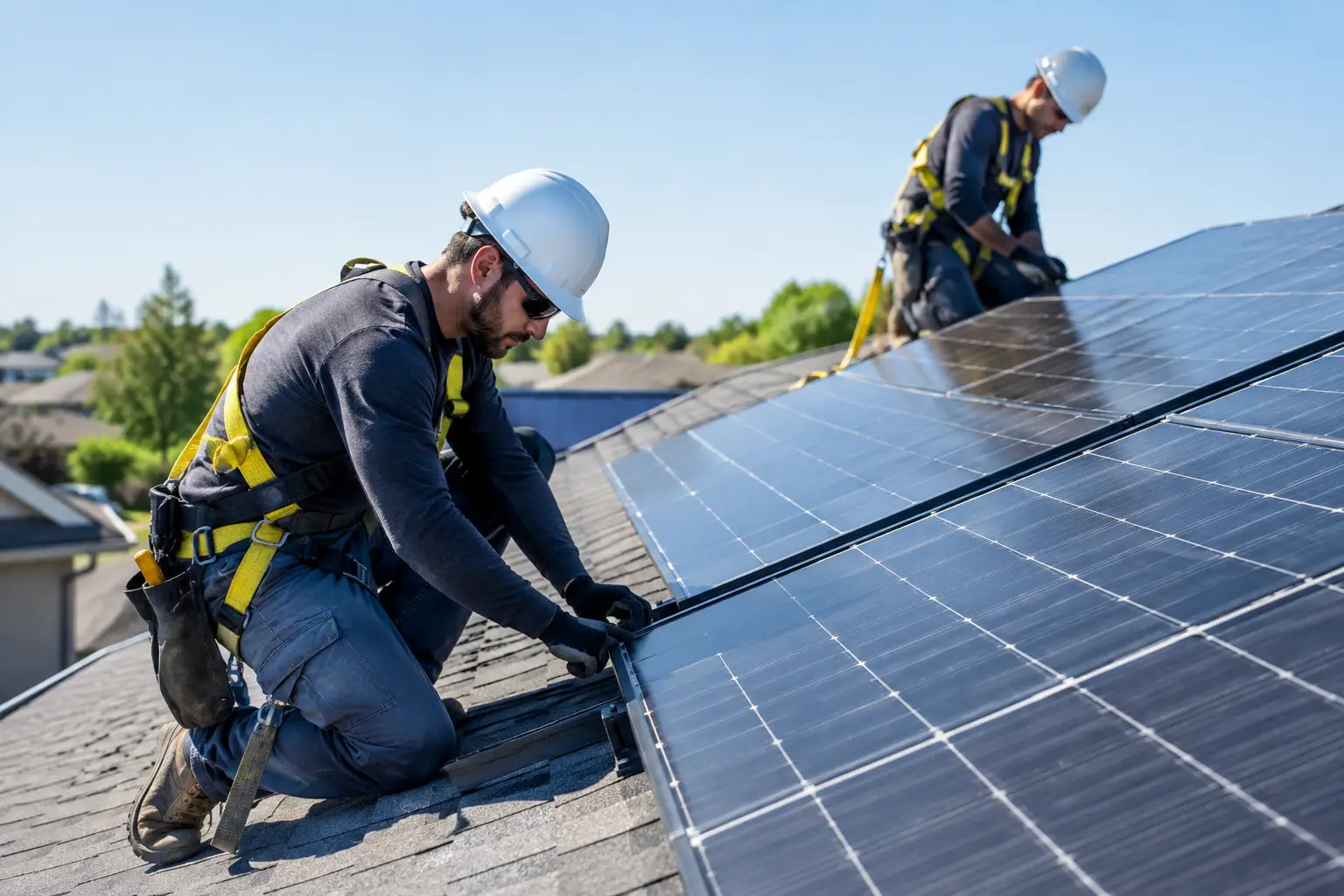
A new roof protects the structure beneath your solar panels, but the panels need to be handled correctly before roofing work begins. The solar roof relocation process is the coordinated removal, storage, and reinstallation of your existing solar equipment so your roof project can move forward without sacrificing the system you invested in.
For South Florida property owners, timing matters. Roofing work must be completed with the solar system safely disconnected and removed, then the equipment must be reinstalled in a way that supports reliable production, code compliance, and final approval. This is not simply a matter of lifting panels off the roof and putting them back later. It is a managed construction project that connects solar, roofing, electrical work, permitting, and inspection.
Why Solar Panels Need Professional Relocation
Solar panels are secured to a mounting system that is attached to the roof structure and sealed to prevent water intrusion. The electrical components, wiring, grounding, and inverter connections also need to be protected throughout the project. Removing equipment without a defined plan can create unnecessary damage, leave components exposed, or complicate the reinstallation.
A professional relocation preserves the value of the existing system while allowing the new roof to be installed correctly. The goal is straightforward: give the roofing team a clear work area, protect the solar equipment, and return the system to service after the roof is complete.
The precise scope depends on the roof design, the age and layout of the system, the type of roofing material, and whether the property needs related electrical or permit work. A qualified solar contractor evaluates these details before the project starts, rather than treating reinstallation as an afterthought.
The Solar Roof Relocation Process, Step by Step
1. Site assessment and project planning
The process begins with an assessment of the solar array and the roof project. The contractor documents the panel layout, mounting hardware, electrical pathways, inverter equipment, and visible system condition. This creates a clear roadmap for removing and returning each component to its proper place.
This early review is also the time to identify opportunities that make sense while the system is off the roof. For example, a homeowner may want to add panels, replace an aging inverter, improve battery backup capabilities, or resolve a permit issue that was never closed by a previous installer. When these items are identified upfront, the work can be coordinated efficiently instead of becoming a separate project later.
2. Safe shutdown and electrical disconnection
Before removal, the solar system is shut down following the appropriate procedure for its equipment. The panels, inverter, and electrical connections are handled by trained professionals who understand how the system is configured.
This stage protects the people working on the roof and safeguards the equipment. It also ensures the property is prepared for the roofers without leaving loose wiring or unprotected components behind. For commercial properties, a clear shutdown plan helps facility managers coordinate the work with building operations.
3. Panel and mounting system removal
The crew removes the panels carefully and labels equipment as needed to maintain an organized reinstallation. Mounting rails, attachments, wiring management components, and related hardware are removed so the roofing contractor has access to the roof surface.
The condition of the equipment is reviewed during removal. Most existing systems can be reinstalled using their original panels and serviceable components, but a professional assessment may reveal parts that should be replaced for better long-term performance. The right decision depends on the specific system, not a one-size-fits-all approach.
4. Protected storage during roofing work
Once removed, solar panels and equipment need secure, organized storage until the roof is ready. Panels should not be left where they can be struck, stacked improperly, or exposed to unnecessary risk during active construction.
The length of this phase depends on the roofing schedule and the condition of the underlying roof. A full roof replacement may involve deck repairs, underlayment, flashing, and final roofing installation before the solar equipment can return. Keeping the solar and roofing schedules aligned reduces downtime and helps the project stay on track.
5. Roof completion and readiness check
The new roof must be complete and ready for solar attachments before reinstallation begins. This is a critical handoff point. The solar contractor confirms that the roof surface, layout, and installation conditions support the planned array.
Proper coordination protects both investments. The roof needs correctly sealed attachment points, while the solar system needs a stable mounting foundation designed to withstand South Florida weather. If the new roof changes the layout or reveals a better placement option, the array plan can be adjusted before equipment goes back on the roof.
6. Reinstallation, electrical reconnection, and testing
The mounting system is reinstalled, panels are secured, and wiring is routed and managed with care. The crew reconnects the electrical equipment, verifies grounding and connections, and tests the system before it returns to operation.
This phase is also when a relocation becomes an opportunity to improve the system. A panel addition, inverter replacement, or battery backup upgrade may be coordinated with the reinstallation when it fits the property’s goals. The benefit is one organized project with a defined outcome: a new roof and a solar system prepared to perform.
7. Permits, inspections, and final approval
Depending on the property and local requirements, relocation work may involve permits, inspections, or documentation with the municipality. These are manageable parts of the project when handled by a licensed contractor familiar with local processes.
If an open permit, expired permit, incomplete installation record, or electrical compliance issue exists from prior work, it can be addressed as part of the solution. Solar Construction LLC manages solar-related permit resolution from diagnosis through final city approval, helping homeowners and commercial property owners move forward with a clear path to completion.
What Can Change the Scope of a Relocation?
No two roofs or solar systems are identical. A straightforward relocation may involve removing and reinstalling an existing array in the same configuration. Other projects require more planning because of roof repairs, a redesigned layout, equipment upgrades, electrical corrections, or municipal documentation.
Roof material and roof geometry can affect the work as well. Tile, shingle, metal, and flat commercial roofs each require the correct mounting and waterproofing approach. The number of panels, roof access, equipment location, and whether the system includes batteries also influence the project plan.
These variables affect project requirements, which is why the scope should be evaluated at the property. The best approach is not to guess based on another home’s solar setup. It is to build a plan around your roof, your existing system, and the improvements you want to make.
Keeping Your Roof and Solar Investment Working Together
A roof replacement is the right time to protect and organize your solar infrastructure. The key is coordinating qualified solar work with the roofing schedule from the beginning. When removal, storage, reinstallation, and approvals are managed as connected steps, the property avoids unnecessary disruption and the system is positioned for dependable operation after construction.
For homeowners, that means preserving energy savings while investing in a roof built for the years ahead. For commercial property owners, it means maintaining a reliable energy asset while completing essential building work with less operational friction.
Your roof and solar system serve the same property for the long term. Treating them as one coordinated project gives both the professional attention they deserve.