

Can You Add Panels to Existing Solar System?

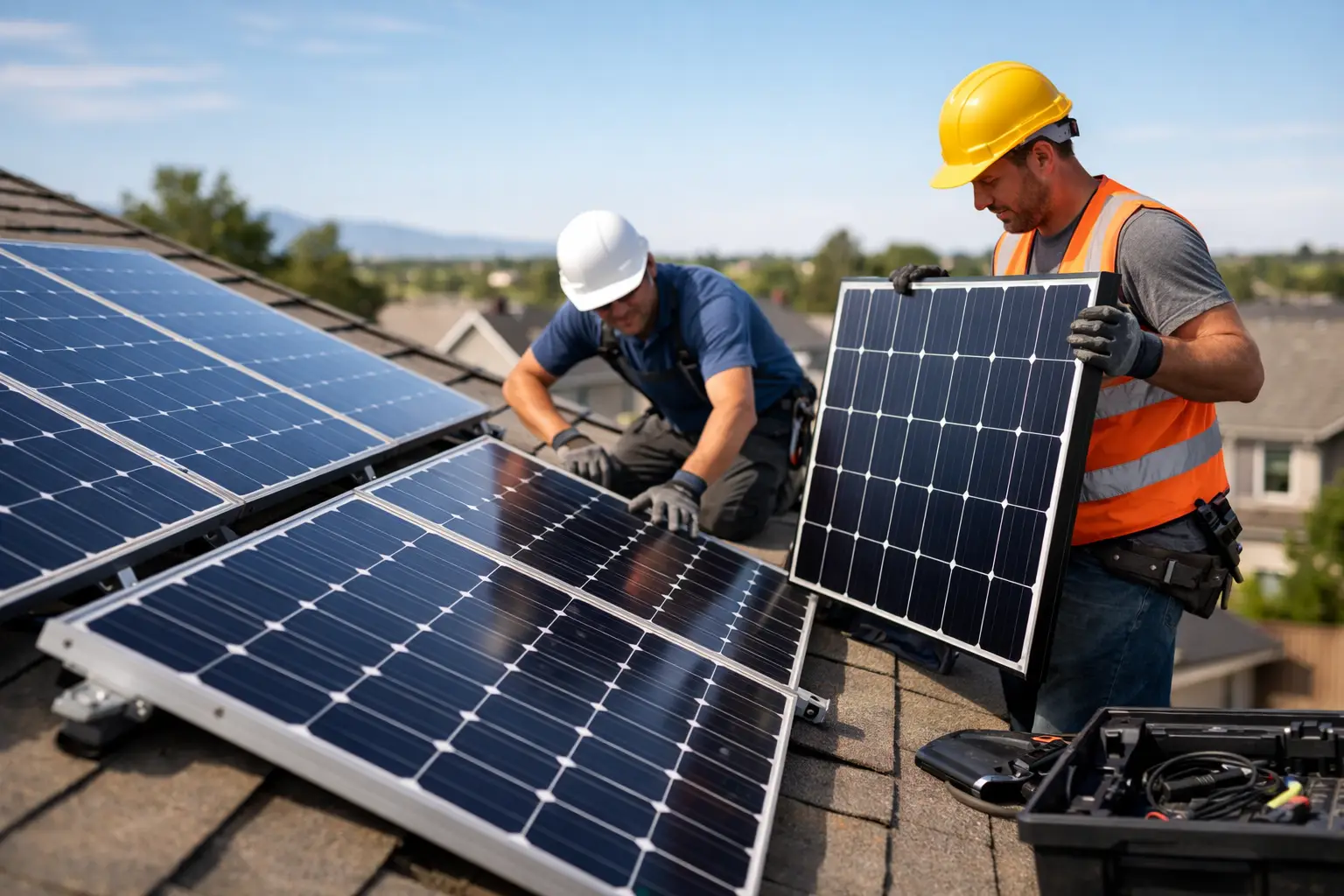
Your electric bill drops after solar goes in – then life changes. Maybe you bought an EV, added air conditioning to a rental, built out a home office, or simply realized your current system is not covering as much usage as expected. At that point, many property owners start asking the same question: can you add panels to existing solar system equipment without starting over?
The short answer is yes, often you can. The better answer is that expansion has to be planned around your roof space, inverter setup, panel compatibility, structural limits, utility rules, and local permitting. When those pieces are handled correctly, adding capacity can be a smart upgrade. When they are ignored, a simple panel addition can turn into a project with avoidable delays and performance issues.
When it makes sense to add panels to existing solar system setups
Panel expansion usually makes sense when your energy use has increased or your original system was sized conservatively. This happens all the time. A homeowner may install a battery later, charge one or two electric vehicles, or run a pool pump more often during South Florida heat. A commercial property may add equipment, longer operating hours, or tenant loads that were not part of the original plan.
There is also a second scenario that gets overlooked. Some systems were installed years ago with equipment that no longer reflects current needs. The original system may still be working, but not at the level the property now demands. In that case, adding panels can help close the gap instead of replacing everything.
That said, more panels are not always the first fix. If production has dropped because of a failing inverter, damaged wiring, open permits, code issues, or neglected maintenance, expansion alone will not solve the real problem. The system needs to be evaluated as a whole before any design decision is made.
What determines whether you can expand
The most important question is not whether extra panels can physically fit on the roof. It is whether the existing system can accept that added generation and remain compliant.
Inverter capacity matters first
In many solar expansions, the inverter is the limiting factor. If your current inverter is already at capacity, adding panels may require a larger replacement inverter or a separate inverter for the new array. Some systems can accommodate modest oversizing, while others cannot. This depends on the equipment and how the original system was designed.
Microinverter systems can offer more flexibility because each panel operates more independently. String inverter systems can be expanded too, but the electrical design has to stay within the equipment’s operating range. A mismatch here can reduce output instead of improving it.
Roof space is only part of the picture
Available roof area matters, but usable roof area is what counts. Shade patterns, roof orientation, fire setback requirements, and structural loading all affect where additional panels can go. A section of roof may look open from the ground and still be a poor candidate for expansion.
This is especially relevant in South Florida, where wind load requirements and hurricane codes are a serious part of the design process. Panels must be installed where the structure and attachment plan can support them properly.
Panel compatibility can affect appearance and performance
If your current modules are older, the exact same panel may no longer be available. That does not automatically stop the project, but it changes the design approach. New panels can often be added alongside older ones, though layout, wattage, voltage, and aesthetics need to be considered.
Sometimes the best-performing design uses a separate section of newer modules rather than trying to force a perfect visual match. The right decision depends on the equipment and the property owner’s priorities.
Utility and permit requirements still apply
Expanding an existing solar system is not just a roof job. It usually requires updated engineering, permitting, and utility coordination. If the original system has unresolved permit issues, failed inspections, or records that were never closed out correctly, those problems may need to be fixed before any expansion can move forward.
This is where experience matters. A straightforward add-on can become complicated if municipal records, electrical revisions, or prior contractor issues are involved. Projects move faster when one team can handle both the technical work and the administrative cleanup.
Add panels or upgrade equipment?
This is one of the most common fork-in-the-road decisions.
If the existing system is in good condition and the inverter has room to grow, adding panels may be the cleanest solution. It preserves much of the original investment while increasing production. For many homes and businesses, that is the right path.
If the inverter is outdated, undersized, or unreliable, a targeted equipment upgrade may make more sense. The same is true if the current system has recurring performance issues. In those cases, expansion and system correction often need to happen together. Adding more generation to a weak foundation is rarely the best move.
There are also situations where battery backup should be part of the conversation. If your goal is not just lower utility usage but also better resiliency during outages, panel additions and battery planning should be coordinated instead of treated as separate projects.
How the expansion process should work
A proper solar expansion starts with system review, not assumptions. Production data, panel count, inverter specifications, interconnection records, roof condition, and electrical infrastructure all need to be checked before the design is finalized.
From there, the system can be modeled around current energy use and future demand. That future part matters. If you know an EV charger, home addition, or commercial equipment upgrade is coming, it should be built into the plan now. Expanding twice in a short window is rarely as efficient as designing once with the next stage in mind.
After the technical review, the project moves into engineering, permitting, and installation. If roof work is needed first, that has to be coordinated so panels are not removed and reinstalled in a piecemeal way. One accountable contractor makes a major difference here because the project stays organized from assessment through final approval.
For property owners dealing with older installations, incomplete records, or municipal issues, this is also the stage where those problems should be resolved. Solar Construction LLC regularly handles open permits, code violations, inverter replacements, panel additions, and roof-related solar work because these projects often overlap in the real world.
Common reasons panel additions get delayed
Most delays happen for predictable reasons. The existing system paperwork may not match what is on the roof. The main service equipment may need updating. The roof may have enough room but not enough structurally suitable room. Or the owner expects a simple panel swap when the real issue is that the inverter or interconnection setup has no room for expansion.
None of these automatically stop the project. They just need to be identified early. The strongest solar expansion plans are based on field verification, actual system data, and local code knowledge rather than guesswork.
Should residential and commercial properties approach expansion differently?
Yes, although the core engineering principles stay the same.
For homes, expansion usually tracks lifestyle changes. More occupants, more appliances, electrification, and backup power goals tend to drive the decision. Roof layout and appearance also tend to matter more in residential planning.
For commercial properties, the focus is often operational. Added loads, tenant use, demand patterns, and facility uptime shape the design. In some buildings, rooftop logistics and electrical integration are more complex than the panel installation itself. That is why commercial solar expansion needs a contractor who can work through both building conditions and permitting without losing momentum.
The right way to think about solar expansion
If your current system no longer matches how the property uses power, that is not a failure. It usually means the property evolved. The goal is not just to attach more panels wherever they fit. The goal is to expand the system in a way that performs well, passes inspection, and supports your next stage of energy use with fewer surprises.
A well-planned solar addition should feel like an upgrade, not a patch. When the design, equipment, roof conditions, and permitting are aligned, you get more than added capacity. You get a system that is ready to keep doing its job for the long term.