

Why a Roofing Assessment Before Solar Matters

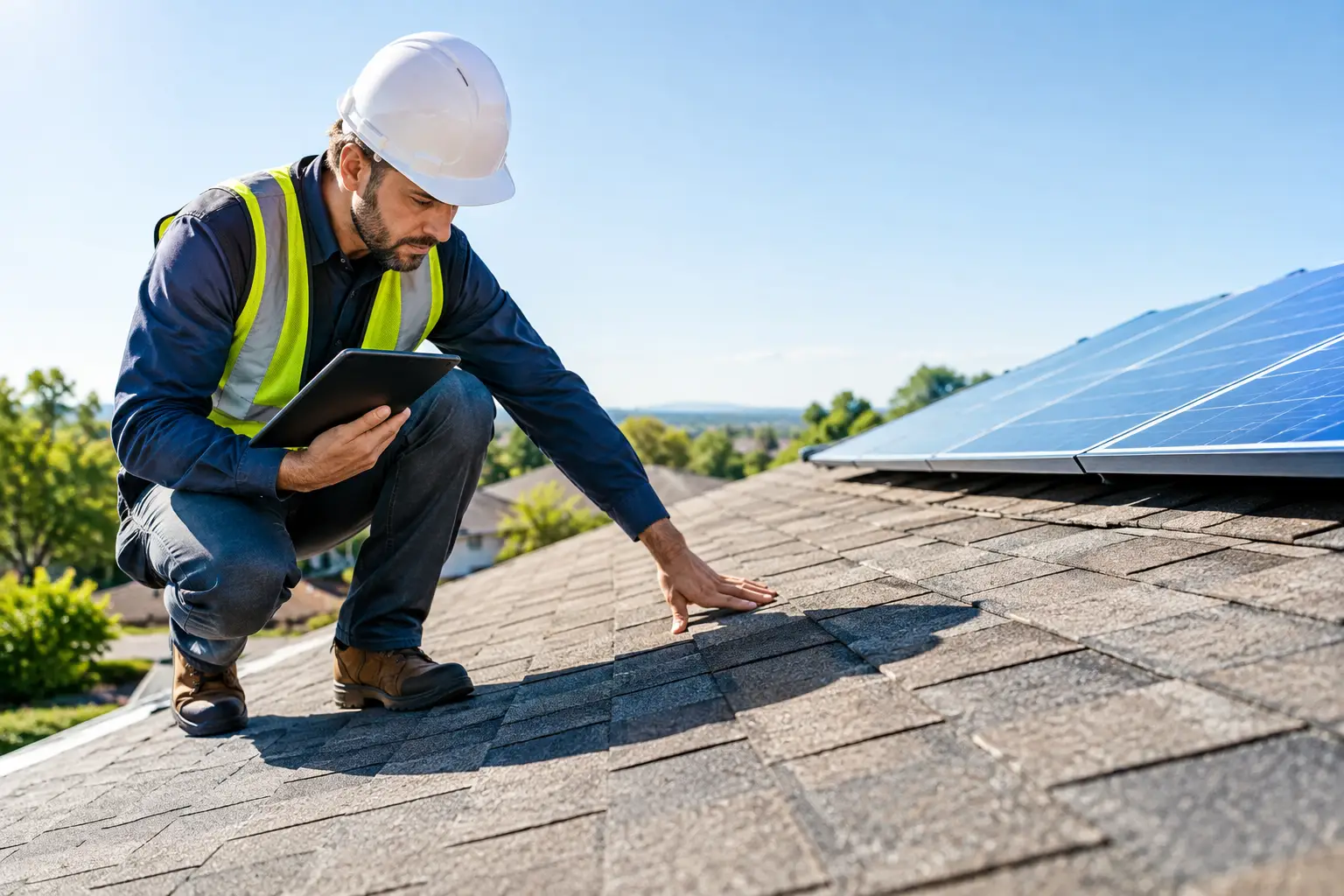
A solar system is designed to serve your property for years. The roof beneath it needs to be ready for the same commitment. A roofing assessment before solar confirms that your roof can support a smooth installation, protect your building, and avoid unnecessary disruption later.
For homeowners and commercial property owners in South Florida, this step matters even more. Strong sun, heavy rain, humidity, and hurricane-season weather place real demands on roofing materials and roof penetrations. Assessing the roof before panels are installed gives the project a solid foundation from day one.
What a Roofing Assessment Before Solar Checks
A roofing assessment is not simply a quick look from the ground. It is a practical review of the roof’s overall condition, remaining service life, and readiness for solar equipment. The goal is clear: determine whether the current roof is prepared for installation or whether roofing work should be completed first.
The assessment considers the roofing material, visible wear, flashing, drainage, penetrations, roof deck condition, and areas that may need repair. On a commercial property, the review may also consider roof access, equipment placement, and how solar work will fit with the building’s maintenance needs.
A roof does not have to be brand new to receive solar. Many well-maintained roofs are excellent candidates. What matters is whether the roof has sufficient remaining life and whether any existing conditions should be addressed before panels, mounts, and electrical equipment are added.
Remaining Roof Life Matters
Solar panels are built for long-term performance. If a roof is approaching the point where replacement is appropriate, it is usually more efficient to complete the roofing project before the solar installation.
Installing solar on a roof that will soon need replacement can create an avoidable second phase of work. The panels may need to be professionally removed, stored, and reinstalled after the new roof is complete. That process is manageable, but planning the roof and solar work in the right order can keep the property improvement process more efficient.
A qualified assessment gives you a clear recommendation based on your property rather than a one-size-fits-all answer. A newer roof with isolated maintenance needs may only require targeted repairs. A roof with broader wear may be better served by replacement before solar moves forward.
Water Management and Roof Details
Solar systems are installed with mounting methods designed to protect the roof. Still, the roof must already be in sound condition. Existing issues around flashing, vents, drains, skylights, valleys, or prior roof penetrations should be identified early.
This is especially relevant in Miami-Dade, Broward, and Palm Beach counties, where sudden downpours can quickly expose drainage problems. A roof that sheds water properly and has secure details around its penetrations creates the right base for a clean solar installation.
Addressing these items before installation protects both the roofing investment and the solar project. It also helps the installation team plan equipment layout around vents, setbacks, drainage paths, and roof features without compromising the system design.
Why the Right Project Sequence Saves Time
Solar and roofing are connected property improvements. When they are planned together, the work can be organized around the condition of the building rather than handled as separate surprises months apart.
If roofing work is needed first, completing it before solar creates a fresh, stable surface for the installation. The solar design can then be finalized with the new roof configuration in mind. This approach supports better coordination of mounting locations, electrical pathways, and the overall project schedule.
For a roof that is already in strong condition, the assessment provides the confidence to proceed. The key benefit is clarity. Instead of guessing how the roof will hold up beneath a long-term energy system, you have a documented starting point for the project.
Roofing and Solar Work Need to Coordinate
A solar system is more than panels on a roof. It includes mounting equipment, wiring, electrical components, safety clearances, and permit requirements. Roofing work affects several of those elements, which is why coordination matters.
When a roof is replaced after solar has already been installed, the system must be handled by qualified professionals. Panels and related components need to be removed carefully, and the system must be reinstalled correctly once the roofing project is finished. The work should protect the equipment, restore the system properly, and support final compliance requirements.
Solar Construction LLC helps property owners coordinate roofing assessments when a new roof is needed before solar work, as well as professional panel removal and reinstallation for roof projects. That means the property owner has a clear path forward whether the roof is ready now or needs attention first.
Permits and Property Records Stay Part of the Plan
Roof and solar projects can involve permits, inspections, and municipal documentation. These steps should support progress, not slow it down. When solar work follows roofing improvements, the project details need to reflect the actual roof condition and final system design.
For properties with open solar permits, expired permits, incomplete work, or electrical compliance items on record, the situation can be resolved with the right licensed contractor managing the process. A roofing assessment can be one part of establishing the proper scope, then moving the project through correction, completion, and final approval.
This is valuable for homeowners preparing a property for sale, investors improving a rental property, and facility managers responsible for keeping commercial buildings operating efficiently. Clear records and completed approvals help keep a major property upgrade moving in the right direction.
What Property Owners Can Expect From the Assessment
The most useful assessment is straightforward. You should come away with an understanding of the roof’s condition, whether repairs or replacement are recommended, and how that result affects the solar timeline.
For a residential property, the discussion often centers on the roof’s age, visible condition, and the areas available for panel placement. Shade, roof orientation, and electrical needs are also part of solar planning, but the roof is the physical platform that supports it all.
For commercial buildings, the process may include a broader review of the roof layout and operational needs. Flat roofs, low-slope roofs, and buildings with rooftop equipment require thoughtful planning so the solar design supports access, maintenance, drainage, and long-term use of the facility.
The recommendation depends on the property. A well-performing roof may be ready for solar with no major changes. Another property may benefit from resolving roofing work first, then moving into solar with greater confidence. Both outcomes create a better project because they are based on the actual condition of the building.
A Better Start for a Long-Term Energy Upgrade
Solar can help reduce utility expenses, improve energy independence, and add value to a property. Starting with the roof protects those benefits. It reduces the chance that a future roofing project interrupts a recently completed solar installation and helps every part of the work proceed with the right sequence.
A roofing assessment before solar is not a delay. It is the preparation that lets a major property upgrade move forward with confidence. If your roof is ready, you can proceed knowing the foundation is in place. If it needs work, addressing it first creates a stronger platform for the solar system your property deserves.