

Solar Service Versus Replacement Decisions

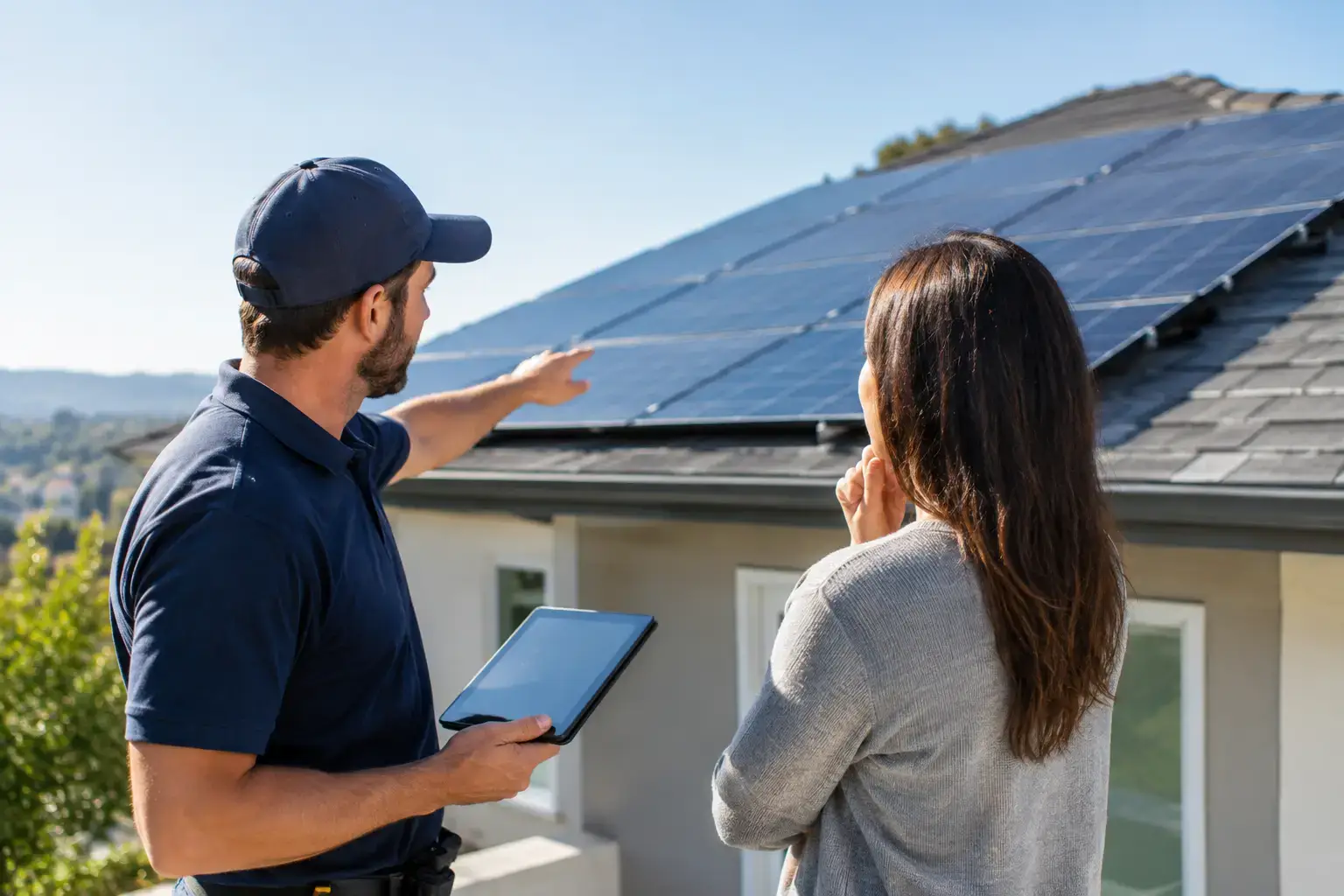
A solar system should continue working for your property, not become another unresolved project on your to-do list. When output drops, an inverter displays an alert, a roof project is approaching, or an old permit needs attention, the right decision is rarely based on one visible component alone. Solar service versus replacement comes down to the condition of the equipment, the goals for the property, and what will restore dependable performance with a clear path to compliance.
For homeowners and commercial property owners in South Florida, that decision also needs to account for intense sun, storm exposure, roof condition, electrical requirements, and local permitting. A professional assessment turns a confusing issue into a practical plan.
When Solar Service Is the Right Move
Solar service is designed to correct a specific issue while preserving the equipment that is still doing its job. Many system concerns are isolated: a communication issue may prevent monitoring data from appearing correctly, a damaged connection may interrupt production, or an inverter may need attention while the panels remain in good operating condition.
The goal is not simply to clear an alert or make a dashboard look normal. It is to identify the source of the issue, correct it properly, and confirm that the system is producing as intended. This approach can include electrical troubleshooting, wiring correction, component testing, inverter service, monitoring restoration, panel-level diagnostics, and correction of installation-related deficiencies.
Service is often the most direct path when the solar array is structurally sound, the roof is in good condition, and the concern is limited to one part of the system. It is also valuable when a property owner wants to maintain an existing investment while improving reliability and visibility into energy production.
Service can also resolve unfinished permit matters
An open or expired permit does not have to leave a solar system in limbo. The same applies to incomplete installations, municipal corrections, and electrical code items that require a licensed contractor to address. These are solvable project-management and technical issues.
A complete resolution process starts with reviewing the installed system and the municipal record. From there, the work may involve correcting field conditions, preparing required documentation, coordinating inspections, and carrying the project through final approval. For property owners, the value is accountability: one qualified team manages the issue from diagnosis to resolution.
When Replacement Creates the Better Result
Replacement makes sense when a critical component has reached the point where repair no longer delivers the performance, safety, or long-term value the property needs. The most common example is an inverter replacement. Panels may still be capable of producing energy, but the inverter responsible for converting that energy for use in the building may require replacement to restore normal operation.
Replacement can also be the stronger choice when a property is being upgraded. A homeowner adding battery backup, expanding an array to support increased energy use, or preparing for a major electrical improvement may benefit from equipment that matches the new system design. Commercial properties may have similar needs when operating loads change or resilience becomes a higher priority.
There is a difference between replacing one component and replacing an entire solar system. A qualified evaluation prevents unnecessary work by separating what can be serviced from what should be upgraded. In many cases, a focused replacement gives the property a stronger result without disturbing panels that remain in good condition.
Roof work changes the equation
If a roof needs replacement or major repair, solar panel removal and reinstallation is typically the practical next step. Panels should be professionally removed, stored and protected during roofing work, then reinstalled and tested once the roof is ready. This protects the solar investment and allows the roofing project to move forward without leaving the energy system as an afterthought.
A roof assessment is especially useful when planning solar upgrades. Addressing roof readiness before adding equipment helps support a clean installation and avoids avoidable disruption later. For properties affected by South Florida weather, aligning roofing and solar work can also create a more coordinated improvement plan.
Solar Service Versus Replacement: The Factors That Matter
The best choice depends on the whole property, not just the first symptom. A clear assessment considers equipment condition, current system production, electrical configuration, roof status, planned upgrades, and municipal requirements. It also considers what the property owner needs next: restored output, additional capacity, battery backup, a completed permit closeout, or preparation for a roofing project.
Age alone is not a final answer. Older equipment may still have years of useful service, while a newer system may need corrective work if a component or prior installation detail is holding it back. Likewise, a low production concern does not automatically mean that every panel needs to be replaced. The cause must be identified before the solution is selected.
Property goals matter just as much. If the objective is to restore the current system, technical service or a targeted component replacement may be the right path. If the objective is to increase energy capacity, add backup power, or support a changed building load, an upgrade plan may provide a better return from the work being completed.
A Professional Process Protects the Property
Solar work involves the roof, electrical system, equipment performance, and often local approvals. That is why a licensed contractor should evaluate and complete the work. A proper process begins with an on-site review of the visible equipment, electrical components, system status, and property conditions.
Next comes a defined scope of work. The property owner should know whether the plan is focused service, inverter replacement, panel removal and reinstallation, a system expansion, battery backup, or permit and code resolution. Clear scope prevents a temporary fix from being mistaken for a full solution.
After the work is complete, system operation should be confirmed and any required municipal steps should be managed through final approval. This is particularly important for properties with open permits or prior installation issues. The finish line is not just completed labor. It is a solar system that is operating correctly and a project record that is properly addressed.
Solar Construction LLC handles this full-service approach for residential and commercial properties throughout Miami-Dade, Broward, and Palm Beach counties. Whether the need is a targeted repair, a replacement component, an expansion, or a municipal closeout, the focus remains the same: solve the actual issue and move the property forward.
Planning for Better Performance and More Resilience
Service and replacement decisions can create an opportunity to improve the property beyond the immediate concern. A battery backup addition can help support essential power needs during outages. Additional panels can help align the system with higher household or business energy usage. Updated equipment may improve system visibility and support more responsive performance monitoring.
For some owners, solar work also fits naturally alongside storm-protection improvements. Impact windows and doors can complement a broader plan for energy efficiency, comfort, and property protection. These projects do not need to happen all at once, but coordinating them around roofing work, electrical updates, or other planned improvements can make the overall property strategy more efficient.
Financing for qualifying new installations and upgrades may be available through bank loans and lease agreements. The right approach varies based on system size, property conditions, and project goals, so a consultation is the most useful way to evaluate options without guessing.
Move Forward With a Clear Diagnosis
The right solar decision does not begin with assuming replacement is necessary or hoping a minor adjustment will solve everything. It begins with a professional diagnosis and a plan built around the condition of your system, your property, and the result you want to achieve.
If your solar system needs attention, your roof project affects the array, or a permit matter is still open, take the next step with a licensed team that can manage the technical work and the path to completion. A clear solution now can restore confidence in your solar investment and keep your property ready for what comes next.