

Battery Backup Planning Guide for Florida Homes

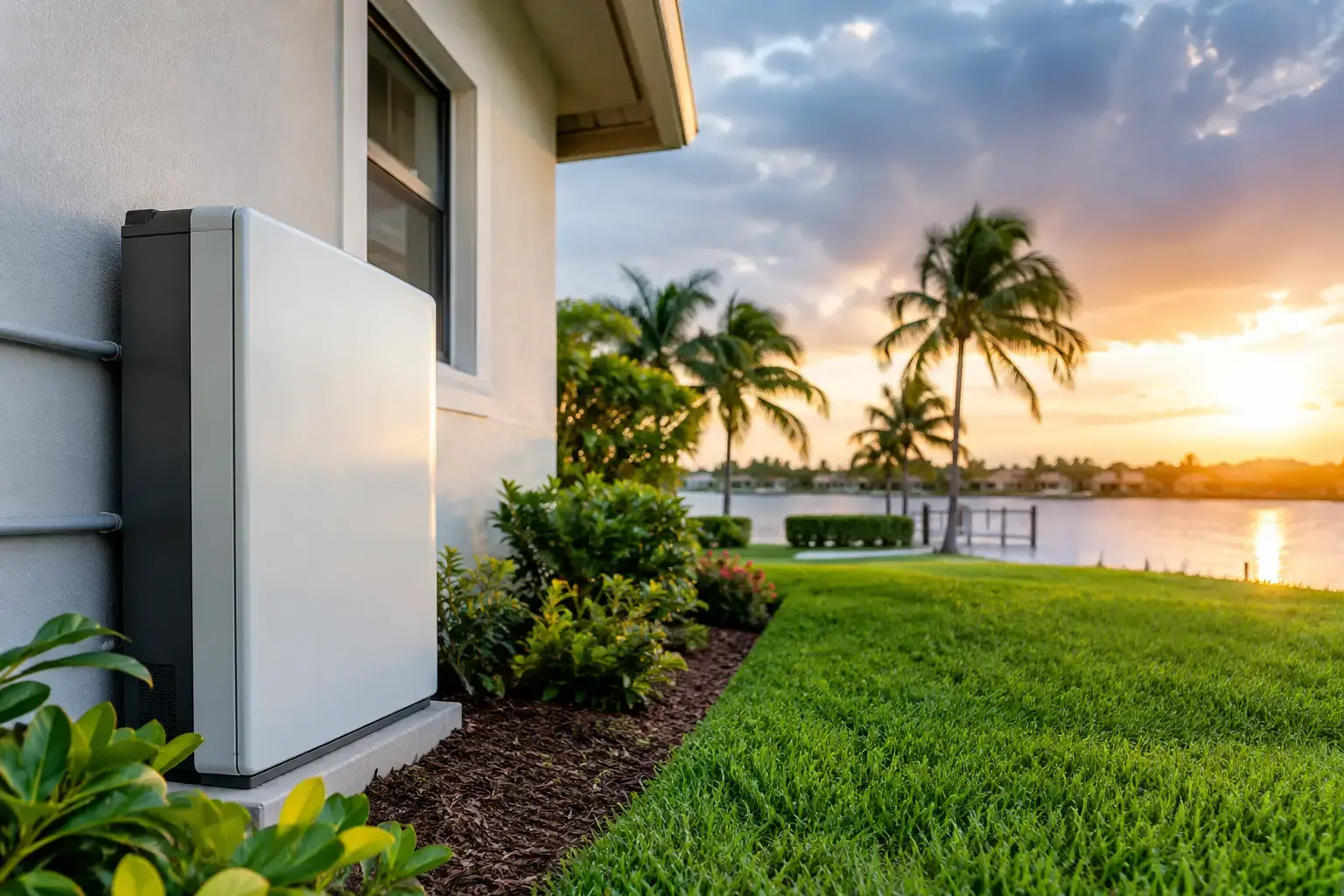
A storm can leave a South Florida home with lights out, food warming up, garage access interrupted, and no easy way to charge a phone or run essential equipment. A well-built battery backup planning guide starts with a simple goal: decide what must keep running, for how long, and how your property will support that power when the grid is unavailable.
Battery storage is not just an add-on to solar. It is a practical resilience upgrade that gives homeowners and property managers more control during outages, especially when severe weather disrupts normal routines. The right system is designed around your real priorities, not a one-size-fits-all package.
Start Your Battery Backup Planning Guide With Essential Loads
The most effective backup plan begins at the electrical panel, not with a battery size. Think through the equipment that protects comfort, safety, communication, and daily operations when utility power is down. For many homes, that includes refrigeration, internet equipment, key lights, ceiling fans, garage access, security systems, phone charging, and a selected group of outlets.
Some properties also need power for medical equipment, a well pump, a pool pump on a limited schedule, or a home office. Commercial properties may prioritize network equipment, security, point-of-sale systems, emergency lighting, refrigeration, or selected operational circuits. These needs are different, which is why the backup plan must follow the property rather than a generic checklist.
A useful way to organize priorities is to separate them into three categories: must run, helpful to run, and can wait. Air conditioning is often the biggest decision. A battery can support it when the system is designed for that demand, but whole-home cooling requires significantly more stored energy than keeping essential circuits active. In some homes, backing up a smaller area, selected rooms, or fans provides the best balance of comfort and battery duration.
Consider How Long an Outage May Last
Runtime depends on two things: how much energy the battery stores and how quickly the property uses it. A refrigerator running periodically uses far less energy than central air conditioning operating for hours. The more equipment that runs at once, the faster stored power is used.
This is where good planning creates better results. A system designed for essential loads can provide dependable support over a longer period. A larger system may be appropriate for properties that need broader coverage, more cooling capacity, or extended operational continuity. The right approach depends on your usage, building layout, equipment, and goals for storm readiness.
Solar panels can extend the value of battery storage by recharging the battery during daylight, provided the system is designed to operate that way during an outage. This can be especially valuable after a storm when grid restoration takes time. Solar production changes with weather, roof conditions, and the time of day, so the battery plan should still prioritize the loads that matter most.
Match the Battery System to Your Property
A battery backup system includes more than the battery itself. It may involve an inverter, protected-load panel, transfer equipment, electrical upgrades, solar integration, and placement considerations. Each component needs to work together safely and correctly.
For a home with an existing solar array, the current inverter and electrical configuration help determine the best path forward. In some cases, an inverter upgrade is part of creating a complete battery-ready system. In others, the existing equipment can be incorporated into the new design. A professional site review confirms the practical options and ensures the system will perform as intended.
New solar projects offer the opportunity to plan solar and storage together from the beginning. This can simplify the design, create a cleaner electrical layout, and align panel production with backup priorities. It also allows the system to be built around future needs, such as adding electric vehicle charging, expanding a home office, or supporting a growing family.
For commercial properties, planning should account for business continuity without overcomplicating the installation. A small office may need communication and security systems protected. A retail or food-service operation may focus on refrigeration and critical equipment. The objective is clear: preserve the functions that protect revenue, inventory, safety, and customer service.
Prepare the Electrical Side Before Storm Season
Battery backup works best when the property’s electrical system is organized and ready. A site assessment reviews available panel capacity, existing solar equipment, critical circuits, installation location, and the path for wiring. It also identifies any updates needed to support a clean, code-compliant installation.
If your property has an open solar permit, expired permit, incomplete installation, or electrical issue on municipal record, that does not have to stop progress. These matters can be resolved through proper diagnosis, corrective work, documentation, and final approval. Addressing them professionally creates a stronger foundation for a solar or battery upgrade.
Placement matters, too. Batteries require an approved location that protects equipment, allows proper access, and meets applicable electrical and building requirements. This is not a detail to leave until the end. Early planning helps avoid changes that can delay installation and keeps the project moving efficiently.
Make Backup Power Easy to Use
The best battery system is one your household or team can use confidently during an outage. That means knowing which circuits are protected, what equipment should be avoided during backup operation, and how to monitor system status. Clear expectations prevent unnecessary battery drain and help everyone use stored energy wisely.
A few practical habits make a difference when severe weather is approaching. Charge phones and devices before conditions worsen, keep refrigerators and freezers closed as much as possible, and reduce nonessential electrical use once backup power is active. If your system includes solar charging, daytime energy can be used strategically while preserving stored energy for the evening.
Homeowners should also consider the equipment that supports daily access and security. A garage door opener, Wi-Fi router, alarm system, and a few well-placed lighting circuits can make an outage far more manageable. These smaller loads often provide outsized value because they keep the property functional and connected.
Plan for Growth, Not Just the Next Outage
A battery backup decision should support where the property is headed. A homeowner planning a renovation, new roof, additional solar panels, or electric vehicle charging may benefit from a design that allows future expansion. A business adding equipment or extending operating hours may need room for additional protected circuits.
This does not mean every project needs the largest possible system. It means the design should be intentional. A properly scoped system gives you dependable backup now while preserving a clear path for future improvements.
Battery capacity and installation requirements vary with system size, property conditions, existing equipment, and the circuits you want protected. A professional consultation turns those variables into a practical plan instead of leaving you to estimate from general online advice.
Solar Construction LLC helps homeowners and commercial property owners across South Florida plan solar-connected battery storage, correct technical issues, and complete the electrical and permitting work required for a finished result. The focus is straightforward: build a system that supports the property when it matters most.
The strongest time to plan backup power is while the grid is still on and every decision can be made calmly. Define what your property needs to protect, build around those priorities, and put reliable energy in place before the next storm puts that plan to the test.