

Battery Backup for Solar Panels Explained

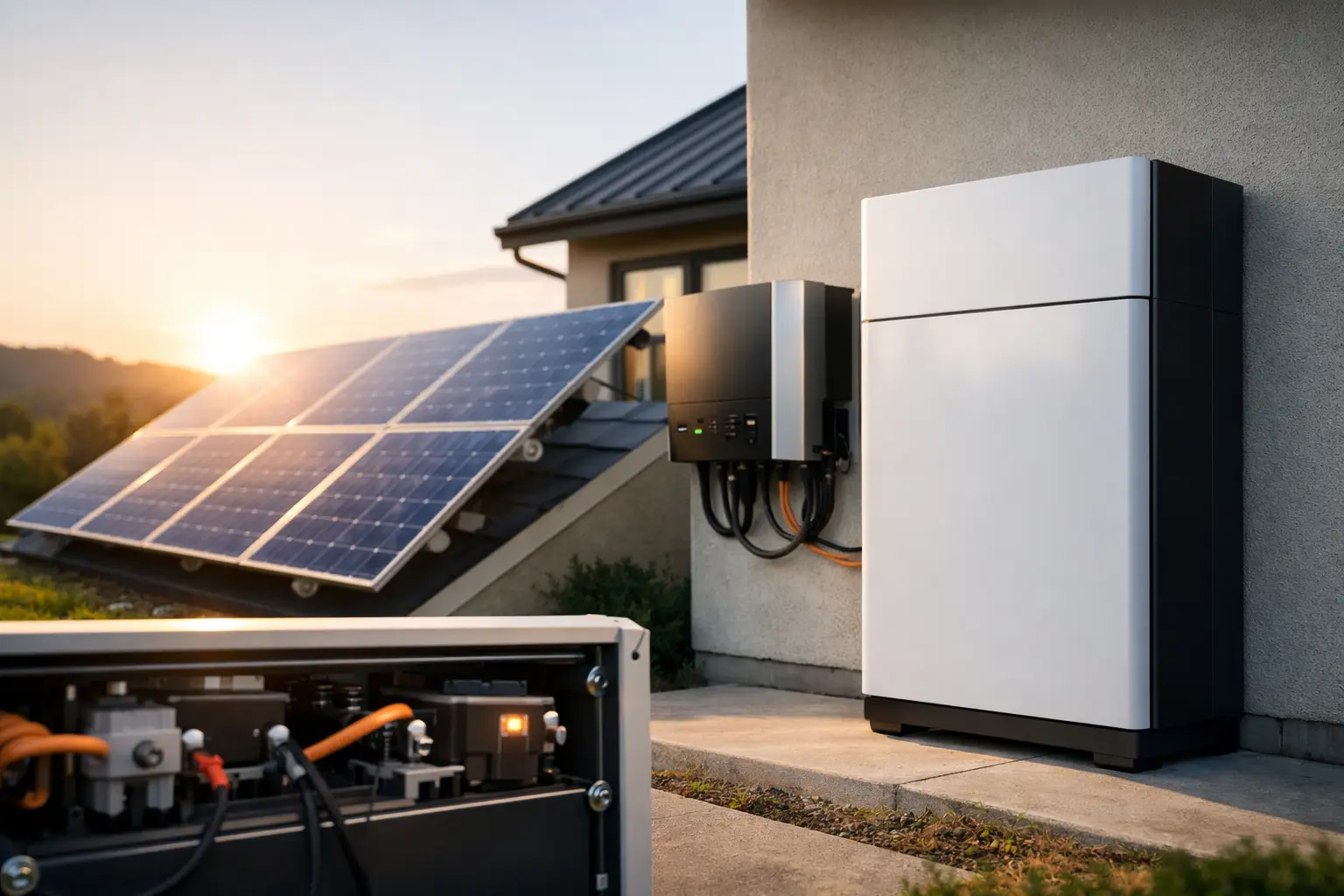
The power goes out at 6:20 p.m. The AC stops, the Wi-Fi drops, and the house gets quiet in a way nobody wants during storm season. If you already have solar, that moment raises an obvious question: why aren’t the panels keeping the lights on? That is exactly where battery backup for solar panels changes the equation.
A lot of property owners assume solar panels automatically provide power during an outage. In most systems, they do not. Standard grid-tied solar shuts down when the utility goes down, mainly to protect line workers and keep the system operating safely. A battery creates a controlled source of stored power, so selected circuits or even larger portions of the property can keep running when the grid is offline.
For homeowners and commercial property managers in South Florida, that matters for more than convenience. Storms, grid interruptions, and heat make energy resilience a practical priority. A battery backup system gives your solar investment another job – not just lowering utility dependence, but supporting critical power when you need it most.
What battery backup for solar panels actually does
At its core, a battery stores excess electricity generated by your solar system so it can be used later. During the day, your panels produce power. Your property uses what it needs first. Depending on the system design, any additional solar can charge the battery. When solar production drops, such as at night or during bad weather, the battery can discharge stored energy to support your loads.
During a utility outage, the battery helps form a mini power system on your property. Instead of your solar shutting down and staying down, the battery and inverter work together to isolate your home or building from the grid and continue powering approved circuits. That could include refrigeration, lighting, internet equipment, security systems, gates, office essentials, or medical devices. In some cases, it can also support larger loads, but that depends on system size and design.
This is where expectations matter. A battery is not magic, and not every battery setup powers an entire property the same way the utility does. The right result depends on how much electricity you need, which circuits matter most, and how the existing solar system was originally installed.
Why battery backup matters more in South Florida
Battery storage is useful anywhere, but South Florida creates a stronger case than many other regions. Hurricane season puts backup power into real-world focus. Even short outages can become disruptive fast when temperatures are high, food storage matters, and communications need to stay live.
There is also the issue of power quality and continuity for businesses. A restaurant, office, retail operation, or multifamily property may not need every single load covered during an outage, but losing key systems can interrupt operations immediately. Strategic battery backup can protect the functions that matter most.
For existing solar owners, battery storage is also a way to get more control from a system they already invested in. If your panels are producing strong daytime energy but your biggest concern is outage protection, adding storage can make the system more useful in daily life instead of only reducing daytime utility use.
Is battery backup right for every solar system?
Not automatically, but it fits more properties than many people think. The main factor is whether the system can be designed or retrofitted correctly. Some newer solar installations are more battery-ready than older ones. Others may need inverter upgrades, electrical work, or panel reconfiguration to support storage safely and effectively.
That does not mean the project is off the table. It means the system should be evaluated by a contractor who understands both solar and the local permitting and code requirements that come with modifying it. That is especially important if the property has an older setup, an incomplete installation, open permits, or equipment that was not originally planned for battery integration.
In practice, battery backup tends to make the most sense for three groups. The first is homeowners who want reliable power for essentials during outages. The second is businesses that need continuity for selected operations. The third is current solar owners who want their system to do more than offset daytime consumption.
How battery backup for solar panels is designed
The best battery systems start with load planning, not equipment branding. In plain terms, that means identifying what actually needs to stay on when the grid fails.
For some homes, the answer is simple: refrigeration, some lighting, outlets for charging, internet, and perhaps a bedroom AC or mini-split. For others, the priority may be a well pump, gate motor, security equipment, or medical devices. Commercial properties often focus on networking, point-of-sale systems, lighting, surveillance, access control, and limited HVAC support.
Once those loads are clear, the battery and inverter setup can be matched to realistic usage. That is the difference between a battery system that performs well and one that sounds good on paper but falls short during an actual outage.
There is also a choice between whole-home backup and partial-load backup. Whole-home backup offers broader coverage, but it requires more storage capacity and tighter load management. Partial-load backup is often more efficient because it prioritizes the circuits that matter most. Neither option is universally better. It depends on the property, the electrical profile, and how you want the system to perform when conditions are not ideal.
What happens if you already have solar
Adding storage to an existing system is common, but it is not always plug-and-play. The age of the inverter, the panel layout, available electrical capacity, and local code compliance all matter. If the original installation was clean and properly documented, integration is often straightforward. If not, the project may also involve corrective work.
That is one reason experienced retrofit support matters. A battery installation may expose older permit issues, code violations, or equipment mismatches that need to be resolved first. When those issues are handled correctly, the result is not just added storage – it is a safer and more dependable system overall.
This is an area where execution matters more than sales language. A battery backup system has to work under pressure, often during weather events and grid instability. It needs to be permitted correctly, installed cleanly, and configured to perform the way the property owner expects.
The trade-offs people should understand
Battery backup is a strong upgrade, but it helps to be clear about what it can and cannot do. Runtime depends on battery capacity and how much electricity you use during the outage. If large loads run continuously, stored power will be used faster. If usage is controlled and solar production resumes the next day, backup duration can stretch much further.
Weather also affects performance. In a sunny outage scenario, your solar panels can help recharge the battery and support daytime loads. During several stormy days in a row, production may be lower. That is why the system design should reflect realistic conditions, not best-case assumptions.
Another trade-off is simplicity versus coverage. The more circuits and large appliances you want backed up, the more planning is required. Many property owners are best served by a focused backup strategy that protects essentials first. That approach tends to be more practical and easier to manage during real outages.
Maintenance, lifespan, and day-to-day use
Modern battery systems are designed to be low-maintenance, but low-maintenance is not the same as ignore-it-forever. Monitoring matters. So does keeping the full solar and electrical system in good working order. If your inverter is aging, your panels are underperforming, or the original installation has unresolved issues, those problems can affect battery performance too.
The good news is that battery systems are not only for emergencies. Many are active every day, charging and discharging based on solar production and household or building demand. That daily cycling makes proper setup even more important. The system should be configured around how the property actually uses energy, not a generic template.
For owners who already have solar but have never updated or expanded their system, a battery project can also be the right time to review inverter condition, electrical compliance, and whether the current array still matches the property’s needs.
Choosing a system that works when it counts
Battery backup for solar panels is not about adding another piece of equipment just because storage is popular. It is about making your solar system more capable, more resilient, and more useful when the grid is not there to help.
For South Florida properties, that value is easy to understand. Reliable backup power supports comfort, safety, and continuity. It gives homeowners more control during outages and helps businesses protect operations when service interruptions hit at the wrong time.
If your goal is real performance, the right move is a system designed around your property, your priorities, and the way outages actually happen here. Done right, battery backup is not just a solar add-on. It is the part of the system that proves its value when the lights go out.