
When to Replace Solar Inverter at Home

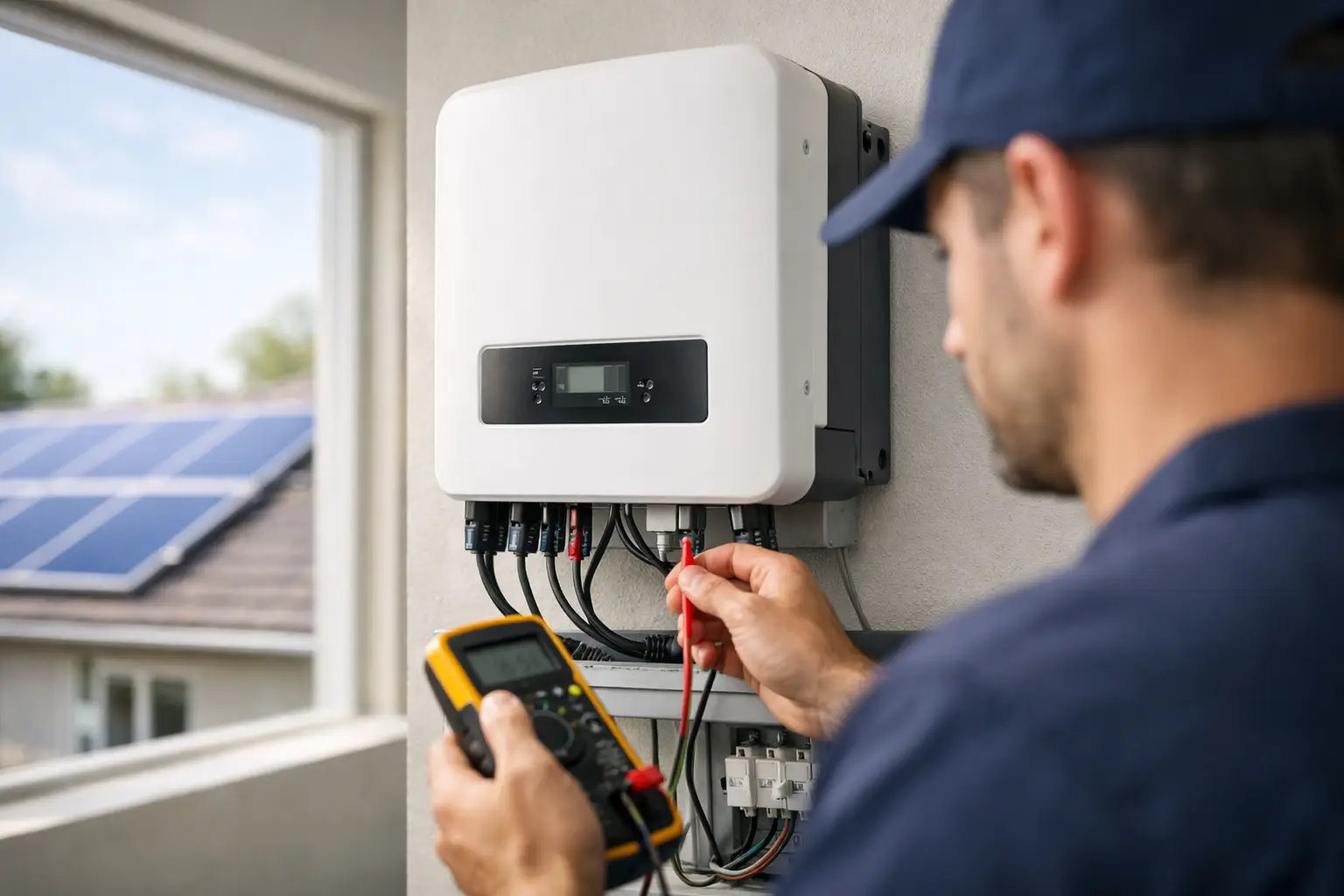
A solar system can keep producing for decades, but the inverter usually does not. If you are wondering when to replace solar inverter equipment, the answer often shows up first in your power production, system alerts, or repeated service issues. Waiting too long can leave panels underperforming, batteries disconnected, or parts of the system offline when you need them most.
When to replace solar inverter equipment
For most property owners, the first clue is age. Many solar inverters last around 10 to 15 years, although the exact timeline depends on the brand, installation quality, weather exposure, and how hard the system works year-round. In South Florida, heat, humidity, salt air near the coast, and storm activity can shorten the life of electrical equipment if the installation was not built and protected properly.
That does not mean every inverter should be replaced the moment it reaches a certain birthday. Some units continue operating beyond their expected service life. Others develop problems much earlier. The practical answer is this: replace the inverter when it no longer operates reliably, when repairs become recurring, when monitoring shows a clear drop in performance tied to the inverter, or when the unit is no longer a good fit for the rest of the system.
The warning signs are usually clear
A failed inverter is not always dramatic. Sometimes it shuts down completely. Sometimes it keeps running but does a poor job converting DC electricity from your panels into usable AC power for the building. That kind of partial failure can be harder to notice unless someone is tracking production closely.
One common sign is frequent fault codes or warning lights. A single alert after a storm or utility interruption may not mean replacement is necessary. But if the same issues keep returning after resets or service visits, the inverter may be nearing the end of its useful life.
Another sign is unexplained drops in solar production. If your panels are clean, the weather has been normal, and there are no new shading issues, the inverter becomes a likely suspect. Production losses can happen gradually, which is why monitoring matters. Property owners sometimes assume seasonal changes explain everything, when the real issue is that the inverter is no longer converting energy efficiently.
Noise can also tell you something. Inverters typically make a light operational hum, especially larger commercial units, but loud buzzing, clicking, or fan noise that suddenly changes is worth attention. Heat is another red flag. An inverter that runs hotter than normal, shuts down during the hottest part of the day, or struggles to restart may be showing internal wear.
There is also the simple issue of communication failure. If your app or monitoring platform stops receiving data, the problem could be internet-related, but it can also point to an inverter communication board failure. When communication problems happen alongside production issues, replacement becomes more likely.
Age matters, but context matters more
It is easy to search a typical lifespan and assume that number applies to every system. In reality, two inverters installed in the same year may age very differently. One may be mounted in a shaded, ventilated location with clean wiring and stable operation. Another may have been installed in a hotter environment, exposed to moisture, or affected by code issues that put long-term stress on the equipment.
This is especially relevant for systems with a complicated history. If a property has open permits, incomplete work, or prior installation defects, inverter problems may not be isolated. The equipment might be dealing with poor connections, improper configuration, or utility-related issues that were never fully resolved. In that situation, replacement should be evaluated as part of a broader system correction, not as a one-part fix.
Repair or replace depends on the pattern
A lot of homeowners and facility managers ask the same question: can the inverter be repaired, or is it time to move on? The right answer depends on the severity of the issue and how often it returns.
If the problem is limited and clearly identifiable, a repair may make sense. A failed breaker, damaged disconnect, wiring issue, fan replacement, or communication component can sometimes be corrected without replacing the full unit. That is especially true for newer inverters that are otherwise operating well.
Replacement becomes the smarter move when problems are stacking up. If the inverter is older, goes offline repeatedly, has declining output, or has already had multiple service interventions, continuing to patch it can create more downtime than value. Reliability matters. A solar system should reduce headaches, not create a standing maintenance issue.
Battery upgrades and system expansion can change the answer
Sometimes the inverter is not failing, but it still needs to be replaced. That happens when the system itself is changing.
If you are adding battery backup, the existing inverter may not support the new setup. Some older models were not designed for battery integration, backup load management, or newer smart energy controls. In that case, replacement is less about equipment failure and more about system compatibility.
The same logic applies if you are adding panels to increase capacity. An inverter sized for the original system may no longer be the right match. An undersized inverter can limit output. An outdated one may not communicate properly with added components. If the goal is to improve performance and future-proof the system, inverter replacement can be part of a well-planned upgrade rather than a reactive repair.
Storm exposure and environmental wear are real factors
South Florida systems deal with conditions that are tough on electrical infrastructure. Even when panels look fine, the inverter may have taken the hit from surge events, water intrusion, corrosion, or repeated thermal stress. After major weather events, it is not unusual to find inverter issues that were not obvious the day before.
This is one reason experienced diagnostics matter. A system may appear partially operational while hiding internal inverter damage that affects efficiency or creates intermittent shutdowns. Catching that early protects production and helps avoid longer interruptions later.
What happens if you wait too long
Delaying inverter replacement does not always mean the system stops all at once. Sometimes the bigger problem is reduced output over time. That means your property keeps consuming utility power while the solar system contributes less than it should.
There is also the risk of related system disruption. Depending on the setup, an unstable inverter can affect battery charging, monitoring visibility, grid interconnection behavior, and overall power management. For commercial properties, downtime can become more than an inconvenience. For homeowners, it can mean losing the resilience and energy savings they expected from the system in the first place.
A failing inverter can also complicate future service if the unit becomes fully obsolete or if the underlying issue spreads to associated components. Acting when the warning signs first appear usually creates a cleaner, faster path to resolution.
How a professional evaluates when to replace solar inverter systems
A proper assessment goes beyond reading one error code. The inverter should be evaluated in the context of the entire solar system – panel performance, wiring condition, disconnects, monitoring data, battery configuration if present, utility interaction, and the property’s service history.
That is especially important for systems that were installed years ago, altered by another contractor, or left with unresolved municipal or code issues. An experienced team can determine whether the inverter is the core problem, a symptom of another issue, or a replacement opportunity tied to a broader upgrade.
For many property owners, that level of support matters as much as the equipment itself. Solar Construction LLC works with homeowners and commercial clients who need more than a simple swap. Some need an inverter replacement. Others need the system corrected, re-permitted, reconnected, or rebuilt into something dependable. The right outcome is not just a new box on the wall. It is a system that performs the way it should.
The best time is before failure becomes a bigger disruption
If your inverter is aging, throwing repeated faults, losing communication, or dragging down production, do not treat it as a minor annoyance. Solar only works as well as the equipment managing it. Replacing the inverter at the right time protects your energy performance, keeps the system aligned with current needs, and gives you a stronger foundation for any future upgrades.
A good solar system should earn your trust every day it runs. When the inverter stops doing its job, replacing it is not just maintenance – it is how you keep the whole system working for you.