

Solar Removal Versus Relocation for Your Roof

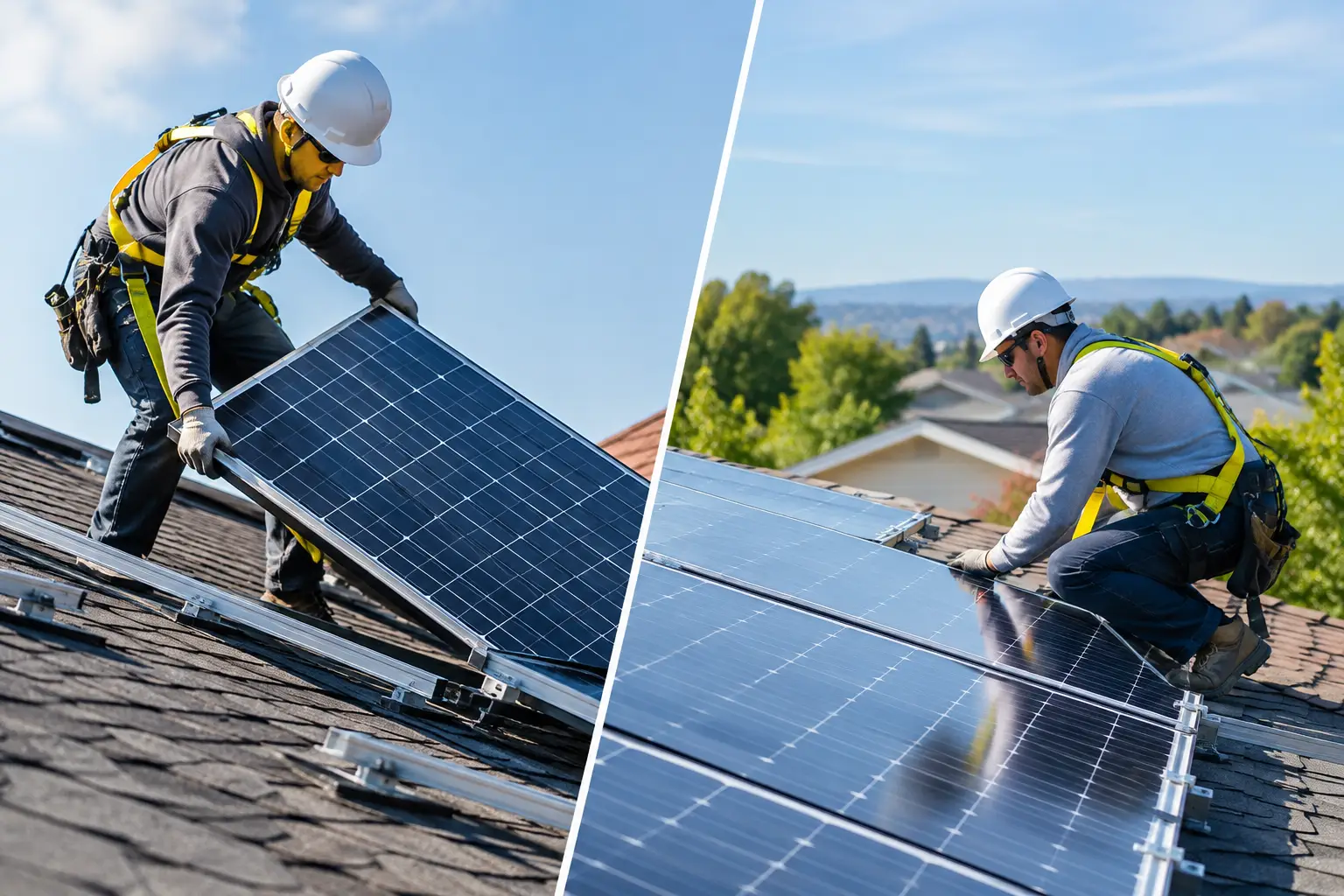
A roof replacement should not put years of solar savings on pause longer than necessary. The decision between solar removal versus relocation determines how your panels, wiring, permits, and energy production are handled while your property is being improved. The right path protects the equipment you already own and positions the system to perform properly when the work is complete.
For most South Florida properties, the choice starts with one practical fact: are the panels returning to the same roof area after construction, or are they moving to a different location? The answer affects the project scope, approval requirements, electrical work, and final layout.
Solar removal versus relocation: the key difference
Solar removal and reinstallation is generally the right solution when a roof needs replacement, repair, or structural work and the solar array will return to its original roof planes. A licensed solar contractor carefully disconnects the system, removes panels and mounting components, protects the equipment during the roofing phase, and reinstalls it once the roof is ready.
Solar relocation means moving all or part of an existing array to a new position. That may involve shifting panels to another roof section, changing the arrangement to accommodate an addition, moving equipment as part of a property redesign, or relocating a system to a different building area. Because the array’s placement changes, relocation often requires a fresh site assessment and a revised design that accounts for roof geometry, sunlight exposure, structural conditions, and electrical routing.
Both services require professional execution. Panels may look simple from the ground, but every removal affects the mounting system, roof penetrations, wiring connections, and safety equipment that support dependable production. Treating the work as a coordinated construction project protects the roof and the solar investment together.
When removal and reinstallation is the best fit
A planned roof project is the most common reason to remove solar panels temporarily. In Florida, roofs take constant sun, heavy rain, wind, and storm-season exposure. When the roof reaches the point where replacement makes sense, removing the array first allows roofers to complete their work correctly rather than working around permanent equipment.
This approach is especially effective when the existing system has been producing well and the original roof location remains the best place for it. Once the new roofing system is in place, the panels can be reinstalled with a refreshed mounting approach that aligns with the new roof assembly and current project requirements.
Removal is also useful for targeted roof repairs beneath a portion of the array. In those cases, it may not be necessary to disturb every panel. A professional assessment identifies the affected area, determines what must be removed, and coordinates the work so the property is restored efficiently.
The advantage is straightforward: you preserve a productive solar asset while giving the roof the attention it needs. Instead of choosing between protecting the roof and keeping solar, you complete both projects in the proper order.
Protecting equipment during the roofing phase
Panels, inverters, and electrical components are valuable equipment that deserve organized handling. During a removal project, each component should be disconnected safely, documented, and stored in a protected location until reinstallation. Mounting hardware, flashings, conduit, and wiring must also be evaluated rather than assumed ready for reuse.
A quality reinstallation is more than putting panels back where they were. It includes checking the roof condition, reinstalling mounting hardware correctly, reconnecting electrical components, testing the system, and confirming the array is ready to return to service. This process gives property owners confidence that the finished roof and solar system work together as intended.
When solar relocation makes more sense
Relocation becomes the stronger option when the property itself is changing. A new addition, expanded outdoor living area, roof redesign, or commercial renovation can alter the space available for solar. In other cases, a property owner may want to move the array to a roof section with clearer sun exposure or organize the roof around new equipment.
Unlike a straightforward removal and reinstallation, relocation creates an opportunity to improve the system layout. The new design can consider shading, orientation, spacing, access paths, and the location of electrical equipment. For commercial properties, this can be particularly valuable when facility upgrades change how rooftop space is used.
Relocation can also pair well with a system upgrade. If the existing inverter is nearing replacement, if more panels are being added, or if battery backup is part of the plan, combining the work can create a more organized result. The project is evaluated as one complete energy solution instead of a series of disconnected changes.
That does not mean every system needs a new configuration. If the original layout remains productive and the roof project is limited, returning the system to its previous position may be the most efficient choice. The value comes from matching the scope to the property, not adding work that does not serve a clear purpose.
Permits and compliance stay part of the project
Solar work is connected to the building and electrical systems of the property, so permits and local approvals matter. A roof project can also bring attention to existing solar permits that were never finalized, inspections that remain open, expired permits, or code items that need resolution.
These situations are solvable. The key is to identify them early and address them through a licensed contractor who can manage the documentation, corrections, inspections, and final approval process. Open permit and compliance matters should be handled as part of a clear action plan, not allowed to delay an otherwise productive project.
For a relocation, permits may need to reflect the new array layout, electrical path, or equipment configuration. For a removal and reinstallation, requirements depend on the scope of work and local jurisdiction. The right team reviews the property records and project details before work begins, then carries the process through to completion.
Solar Construction LLC manages solar removal, reinstallation, relocation, technical corrections, and permit resolution for property owners across Miami-Dade, Broward, and Palm Beach counties. That accountability matters when roofing, solar, electrical work, and municipal approvals all need to move forward on the same timeline.
What shapes the project plan
The best approach is based on the condition of the roof, the age and design of the solar system, and the reason for moving the equipment. A strong project plan also considers whether the system includes battery backup, whether additional panels are desired, and whether electrical components need service while the array is offline.
Property access and scheduling matter as well. Roofers need a clear work area, while solar crews need safe access for removal and reinstallation. Coordinating the handoff between those phases reduces unnecessary downtime and helps prevent avoidable delays. On a commercial property, planning around operations can keep the project organized without creating disruption for tenants, employees, or customers.
The total investment varies with system size, roof design, equipment condition, permit needs, and the extent of the relocation. A site-specific consultation provides the clearest path because it identifies the actual work required and avoids guesswork.
A better result starts with a complete assessment
Before panels are moved, the property should be assessed as a whole. The roof must be ready to support the system. The solar equipment should be inspected for condition and compatibility. The proposed layout should support production while respecting practical access and code requirements. If existing permit records need attention, that process should begin early.
This is where experience makes a visible difference. A well-managed project does not treat the panels as an obstacle to roof work or the roof as an afterthought to solar work. It treats both as connected parts of a valuable property asset.
Whether your system needs to come down temporarily or move to a better location, the goal is the same: protect the roof, preserve the value of your solar investment, and return the system to dependable service with the work properly completed.