

Impact Windows Energy Efficiency Review: What Matters

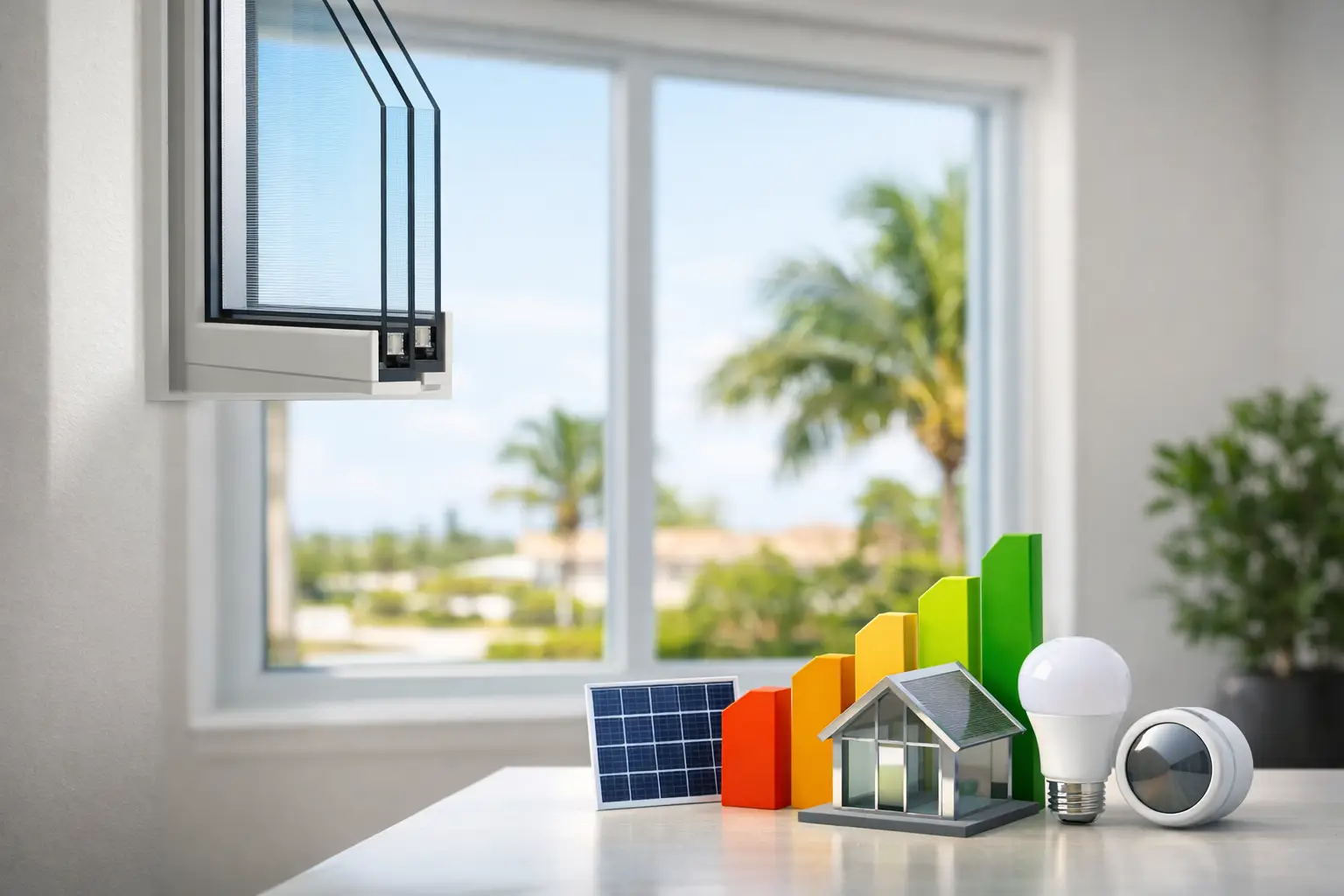
A South Florida home can have strong air conditioning and still feel warm beside a west-facing window at 3 p.m. That is where an impact windows energy efficiency review becomes useful. Impact windows are built first to protect the building envelope during severe weather, but the right glass, frame, and installation package can also reduce unwanted solar heat, improve indoor comfort, and help your HVAC system work more efficiently.
For homeowners and commercial property owners, the value is not limited to storm season. Windows influence how much heat enters a building every day of the year. Choosing them well can support a more efficient property, especially when paired with solar energy improvements.
What Energy Efficiency Means for Impact Windows
Energy-efficient impact windows do not create energy. They reduce the amount of outdoor heat that reaches conditioned interior space, while keeping cooled air where it belongs. In a hot, humid climate, that matters because air conditioning is often one of the largest electrical demands in a property.
A quality impact window combines reinforced construction with laminated glass. The interlayer between the glass panes helps hold the assembly together if it is struck by debris. Energy performance comes from additional decisions: the glass coating, the number of panes, the spacing between panes, the frame construction, and the quality of the final installation.
The best option is not always the product with the most features. It is the window package that fits the building, its sun exposure, its existing openings, and the owner’s comfort and protection goals.
Impact Windows Energy Efficiency Review: The Ratings That Matter
Product labels can look technical, but a few measurements provide a clear starting point. A professional can help translate these numbers into a practical recommendation for your property.
Solar Heat Gain Coefficient
Solar Heat Gain Coefficient, often called SHGC, measures how much solar heat passes through a window. Lower values generally mean less heat entering the building. For South Florida properties with substantial direct sunlight, this rating deserves close attention.
A lower SHGC can be especially valuable on large glass openings and windows facing east or west. Those exposures often receive strong sun at times when indoor spaces are actively used. Reducing heat gain can help rooms feel more consistent and may reduce the demand placed on the cooling system.
U-Factor
U-factor measures how readily a window transfers heat. Lower numbers indicate better insulation. Although South Florida’s primary challenge is heat entering the building rather than winter heat escaping, a favorable U-factor still contributes to a more controlled indoor environment.
The right balance between U-factor and SHGC depends on the opening. A shaded window may not need the same glass configuration as an unshaded wall of glass facing afternoon sun. This is why property-specific planning produces better results than selecting every window by a single rating.
Air Leakage
Even high-quality glass cannot perform at its best if air moves freely around the sash or frame. Air leakage ratings indicate how well the assembly resists unwanted airflow when closed.
Tight construction supports indoor comfort and helps keep humid outside air from working its way into conditioned spaces. It also makes a noticeable difference near windows during windy weather, when a properly installed unit should feel secure and stable.
Low-E Glass Makes a Practical Difference
Low-emissivity, or Low-E, coatings are thin, nearly invisible layers applied to glass. Their job is to manage heat transfer while still allowing useful daylight into the space.
For many South Florida properties, Low-E glass is one of the most meaningful energy-efficiency features available. It can limit the amount of infrared heat entering through the glass, helping rooms stay more comfortable without requiring heavy window coverings throughout the day.
There is a trade-off to consider. Glass designed to reject more heat can change the appearance of the window slightly and may reduce certain kinds of light transmission. The goal is not to make a room dark. It is to select glass that controls heat while preserving the brightness and views that make a property enjoyable.
Frames and Installation Are Part of the Performance
Glass receives most of the attention, but the frame and installation are just as important. Aluminum, vinyl, and other frame systems each have different strength, maintenance, appearance, and thermal characteristics. For impact applications, the complete tested assembly matters more than any single material claim.
Installation is where the window becomes part of the building. Accurate measurements, correct anchoring, proper sealing, and finished water management protect performance over time. A window can have excellent published ratings, yet fall short if the opening is not prepared and sealed correctly.
This is also why impact window projects should be managed with the same care as other major property upgrades. The work needs to meet applicable local requirements while protecting the structure and delivering the intended day-to-day comfort.
How Impact Windows Work With Solar Energy
Impact windows and solar panels address different parts of the energy equation. Solar helps a property produce electricity. Energy-efficient windows can help reduce the cooling load that consumes electricity inside the property.
When a building gains less heat through its glass, the HVAC system may not need to run as aggressively to maintain a comfortable temperature. That can make the property’s overall energy strategy more efficient. It also supports more predictable comfort in rooms that were previously hot, bright, or difficult to cool.
This combination is particularly relevant for homes with broad sliding doors, waterfront views, high ceilings, or large sun-facing window areas. Commercial spaces can see similar benefits where storefront glass, office windows, or common-area openings bring in substantial heat.
An integrated approach also simplifies planning. If a property is being evaluated for solar, battery backup, roof work, or window upgrades, coordinating the projects can help owners make decisions based on the full building rather than treating each improvement in isolation.
Where the Greatest Comfort Gains Usually Appear
Not every window creates the same burden on a cooling system. Properties often see the clearest improvement in rooms with direct afternoon sun, older single-pane windows, loose frames, worn seals, or oversized glass openings.
Bedrooms may feel easier to cool after sunset when they are no longer absorbing as much heat during the afternoon. Living areas with large windows can become more usable without constantly closing blinds. In commercial settings, employees and visitors may experience fewer hot spots near exterior walls and windows.
That said, window replacement does not replace sensible HVAC maintenance, insulation, shading, or thermostat management. It works best as part of a complete property-efficiency plan. The good news is that impact windows deliver another critical benefit at the same time: stronger protection against windborne debris and severe weather.
Choosing a Solution for Your Property
An energy-efficient impact window project should begin with the property itself. Window orientation, opening size, roof overhangs, surrounding shade, building use, and existing equipment all affect the right recommendation. A homeowner focused on a sun-exposed family room may prioritize heat control, while a commercial property manager may need consistent performance across many openings.
Appearance matters too. Frame color, sightlines, operation style, and door configurations should fit the building without sacrificing the performance needed for the climate. The strongest result is a solution that protects the property, improves comfort, and supports its long-term energy goals.
For Miami-Dade, Broward, and Palm Beach County property owners, Solar Construction LLC brings a practical building-upgrade perspective to impact windows and doors alongside solar services. The focus is clear: select the right solution, complete the work professionally, and help the property perform better when the weather is calm and when it is not.
A more comfortable, protected building starts with the openings that separate indoor life from South Florida heat. When those openings are designed for both impact protection and energy control, every day inside can feel like a better return on the investment.