

How Solar Permits Work for Florida Properties

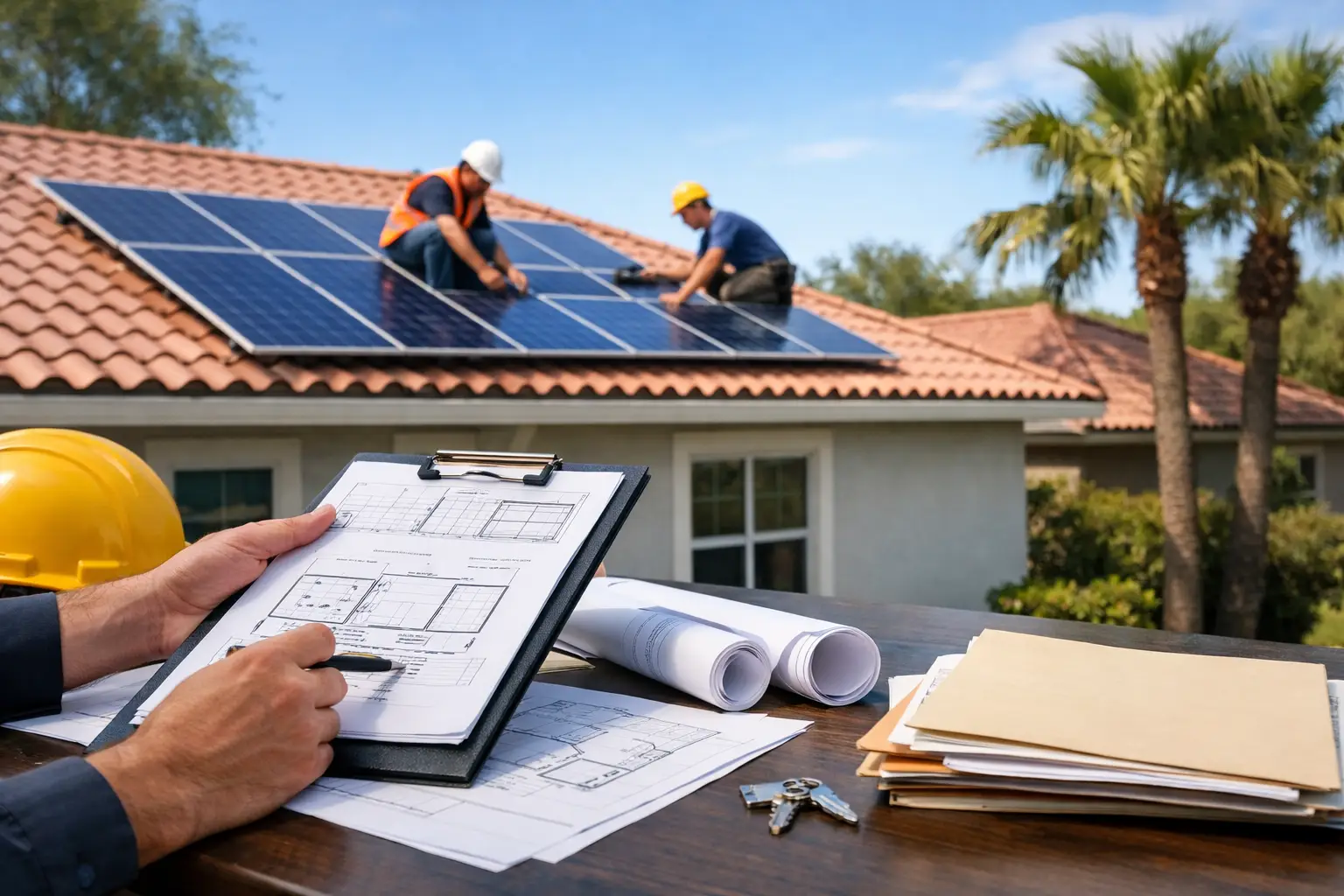
A solar project does not begin when panels reach the property. It begins when the system is designed for the building, documented correctly, and submitted for approval. Understanding how solar permits work helps homeowners and commercial property owners see why a professional process matters – and why proper permitting protects the value, safety, and long-term performance of the investment.
In Miami-Dade, Broward, and Palm Beach counties, permitting requirements can vary by municipality, property type, electrical setup, and the scope of the solar work. A qualified licensed contractor manages those details from the start, so the project can move from planning to final approval with clear accountability.
What a Solar Permit Actually Does
A solar permit is the local building department’s authorization to install, alter, repair, or complete a solar energy system. It confirms that the proposed work has been reviewed against applicable structural, electrical, fire, and building requirements before installation begins.
For a new installation, the permit file typically shows where the panels will sit, how the mounting system will attach to the roof, how electrical equipment will connect, and how the system will meet current code. On a commercial property, the review may also account for roof access, equipment placement, larger electrical loads, and fire-safety clearances.
The permit is not simply paperwork. It creates an official record that the work was designed and completed under the oversight required by the local authority. That record is valuable when a property is sold, refinanced, insured, renovated, or evaluated for future electrical and roofing work.
How Solar Permits Work From Design to Approval
The exact sequence depends on the local jurisdiction, but a well-managed solar permit process follows a practical path. It starts with an assessment of the property. The contractor reviews the roof condition, available space, electrical panel capacity, existing solar equipment if any, and the owner’s energy goals.
From there, the system is engineered and documented. Plans may include a site layout, roof plan, structural attachment details, electrical diagrams, equipment specifications, and calculations required by the municipality. The goal is straightforward: give the reviewer a complete, accurate picture of the work before it happens.
Once the application package is ready, it is submitted to the appropriate local building department. The municipality reviews the plans and may approve them directly or request additional information. A request for clarification is a normal part of many construction projects. It is not a setback when the contractor responds quickly, updates the documentation correctly, and keeps the file moving.
After approval, installation can proceed under the issued permit. The project then reaches the inspection stage, where a city or county inspector verifies that the completed work matches the approved plans and meets code requirements. When the required inspections pass, the permit can be finalized and closed.
Plan Review Is Where Preparation Pays Off
Most avoidable delays happen before the first panel is installed. Incomplete drawings, mismatched equipment information, missing signatures, or outdated permit records can create unnecessary back-and-forth with the building department.
A thorough contractor prevents that friction by aligning the field conditions with the plans. For example, if a roof needs replacement before solar installation, that should be addressed before the solar permit package is finalized. If an electrical panel requires an upgrade or an existing system needs correction, those details must be incorporated into the scope rather than discovered at the final inspection.
Installation Must Match the Approved Documents
Once a permit is issued, the approved plans become the roadmap for the installation team. Panel layout, mounting locations, conduit routing, disconnects, labels, grounding, and equipment placement must reflect what was submitted.
This does not mean a project cannot adapt when site conditions require a change. It means changes should be handled professionally. If the installation needs to be modified, the contractor can determine whether revised documents or municipal approval are required. That protects the project from avoidable inspection issues later.
Solar Inspections and Final Permit Closure
Inspections confirm that the finished system is safe, secure, and ready for operation. Depending on the project, the municipality may schedule inspections for structural work, electrical work, or both. The inspector checks that the solar array is properly attached, electrical components are installed correctly, required labels are in place, and the installation follows the approved permit documents.
For property owners, the key point is that an inspection is part of completing the job, not an afterthought. A passed inspection supports final permit closure. It also gives the owner confidence that the system has been reviewed by the local authority with jurisdiction over the property.
Some systems also require utility coordination before full activation. This process is separate from municipal permitting, although both must be managed in the right order. The contractor should coordinate the steps so the owner is not left trying to interpret city requirements, technical documentation, and utility milestones alone.
Why Existing Open or Expired Solar Permits Need Attention
Not every permit issue begins with a new project. A property may have an open permit from a previous installation, an expired permit tied to incomplete work, or an inspection correction that was never resolved. These issues can surface during a property sale, a roof replacement, an electrical upgrade, or a municipal records review.
The solution is to identify the current permit status, inspect the existing system, determine what the municipality requires, and complete the corrective work through a licensed contractor. In some cases, the system only needs documentation, updated plans, or a final inspection. In others, electrical corrections, equipment replacement, panel removal and reinstallation, or roof-related work may be needed before the permit can close.
These situations are manageable when they are handled with a clear process. Solar Construction LLC specializes in resolving open permits, expired permits, incomplete installations, and solar code issues from initial diagnosis through final city approval. The focus is on restoring compliance and giving the property owner a clean path forward.
The Property Conditions That Can Affect Permitting
Every roof and electrical system tells a different story. A newer roof with clear access and available electrical capacity may move through the process efficiently. A property with older electrical equipment, prior solar work, a roof project, or changes made by previous contractors may require a more detailed review.
For commercial buildings, the permitting process may involve additional coordination because the system can be larger and the building operations may need to remain uninterrupted. The right approach is not to force every property into the same plan. It is to create a solution that fits the structure, the energy objective, and the applicable local requirements.
This is also why early site evaluation matters. It allows the contractor to identify the practical sequence of work, whether that includes a roofing assessment, an inverter replacement, a battery backup installation, panel additions, or technical service before the final permit stage.
What Property Owners Should Expect From Their Contractor
A reliable solar contractor should take ownership of the permit process, not treat it as an administrative task handed back to the customer. That includes preparing the documents, submitting the application, responding to municipal comments, coordinating inspections, completing corrections if needed, and confirming final closure.
Property owners still play an important role. They may need to provide access to the site, approve required documents, or make an authorized representative available when necessary. But they should not have to chase permit statuses or decipher technical correction notices. Professional project management keeps communication clear and responsibilities defined.
Permit timing can vary based on municipal review volume, the completeness of the plans, inspection availability, and the property’s existing conditions. The best way to protect the schedule is not to rush the paperwork. It is to submit a complete package, install to plan, and address any required correction promptly.
A Permitted System Is a Finished System
Solar is a meaningful upgrade to a home or commercial property, and the permit process is part of delivering it correctly. From the first plan set to the final inspection, every step supports a system that is properly documented, code-compliant, and ready to serve the property for years to come.
If an active project, older installation, or municipal record is standing in the way, the right next step is a professional evaluation. With the proper diagnosis and licensed follow-through, even complex solar permit matters can move toward a clear final approval.