

Top Solar Property Upgrades for South Florida

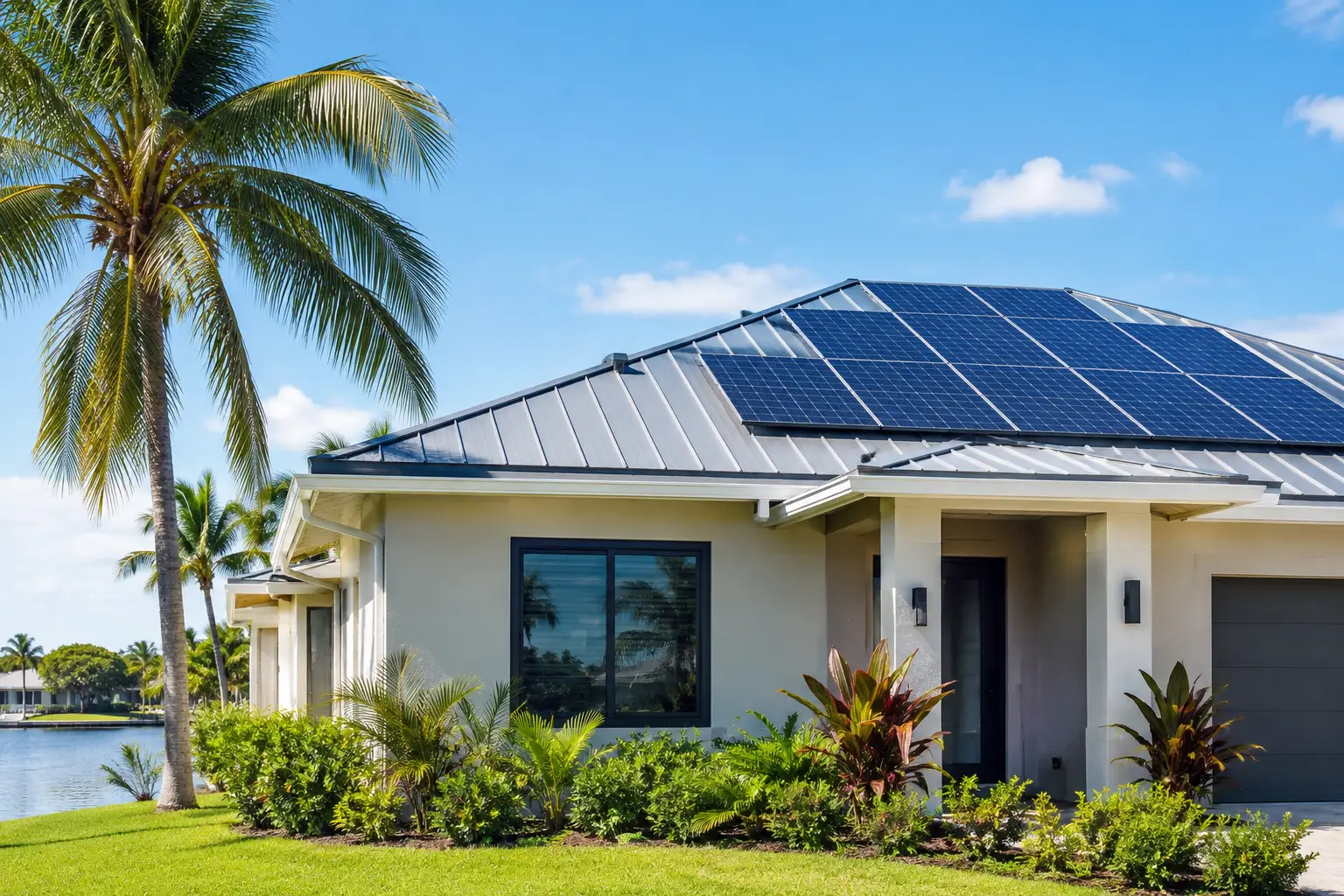
A solar system should do more than sit on the roof. The best top solar property upgrades work together to reduce utility use, keep critical power available, protect the building envelope, and support long-term property value. For South Florida owners, the strongest results come from planning these improvements as one coordinated property strategy rather than a series of disconnected projects.
That matters when your home or commercial building faces intense sun, heavy rain, hurricane-season preparation, and rising expectations for energy performance. A licensed contractor can assess the existing conditions, organize the right scope of work, and carry the project through installation, permitting, and final approval.
Start With a Solar System Built for Your Property
Solar panels remain the foundation of a high-value energy upgrade. A properly designed system converts the sunlight already hitting your property into power that can offset a meaningful portion of daytime electricity use. For homeowners, that can support cooling, appliances, pool equipment, and everyday household demand. For commercial properties, it can help manage the energy load created by lighting, office equipment, refrigeration, and operational systems.
The right system is based on your roof layout, shading, electrical demand, and future plans for the property. A household that expects to add an electric vehicle, expand living space, or install a pool heater may benefit from planning for that demand now. A business owner may need an array that reflects operating hours and the building’s highest-use equipment.
System size and property conditions affect the investment, which is why a personalized consultation is more useful than a generic estimate. The goal is clear: build a system that performs for the way the property actually uses energy.
Add Panels When Energy Needs Have Grown
An existing solar system does not have to remain fixed forever. Panel additions can be a practical upgrade when a property’s electricity use has increased since the original installation. A growing family, a renovated home, new equipment, or a business expansion can change the energy picture quickly.
Adding capacity requires a professional review of the current equipment, roof space, electrical configuration, and permit status. When handled correctly, a panel addition gives the property a stronger energy asset without treating the previous installation as a dead end.
Pair Solar With Battery Backup
Battery backup is one of the most practical upgrades for owners who want greater control over critical power. Solar production is valuable during the day, and a battery allows stored energy to support selected circuits when the grid is unavailable or when backup power is needed.
For a residence, the priority may be refrigeration, lighting, internet service, a garage door, and essential air conditioning needs. For a commercial property, it may be communications equipment, security systems, lighting, or key operational loads. The exact backup plan depends on what the building must keep running.
A battery is not a replacement for thoughtful system design. It works best when its capacity and protected loads are chosen around real priorities. That is the difference between simply adding equipment and creating an energy plan that serves the property when it matters.
Upgrade Inverters to Protect Solar Performance
The inverter is the working center of a solar system. It converts the power produced by solar panels into usable electricity for the building. When an inverter needs replacement or an existing system is not performing as expected, addressing the issue promptly helps restore the value of the solar investment.
Inverter upgrades can also make sense when an older system is being expanded or when owners want more visibility into production. Modern monitoring can help identify whether the system is generating as intended and make technical service more efficient when attention is needed.
This is especially valuable for property owners who inherited a system with limited information, bought a building with an existing installation, or need an experienced team to diagnose a performance concern. The focus should be on a complete solution: identify the cause, correct the system, and make sure the work is properly documented.
Coordinate Roof Work and Solar Work
A roof and a solar array share the same real estate. If the roof needs replacement, solar panels should be professionally removed and reinstalled as part of a coordinated plan. Trying to treat the roof project and solar system as unrelated work can create avoidable disruption and leave owners managing multiple schedules.
A roofing assessment before new solar installation is equally valuable. If the roof is nearing the point where replacement is needed, addressing that condition first protects the new solar investment and avoids removing panels soon after installation. The practical sequence is simple: confirm the roof condition, complete necessary roofing work, then install or reinstall the solar system correctly.
For investors and commercial property managers, this coordination helps preserve project timelines and keeps the building’s energy improvements aligned with planned capital work.
Include Impact Windows and Doors in the Plan
Solar helps a property produce cleaner energy. Impact windows and doors help protect the building itself while supporting a more efficient indoor environment. Together, they address two major South Florida priorities: storm readiness and reduced strain on cooling systems.
High-quality impact products can strengthen the building envelope, reduce outside noise, and help limit heat transfer. That can make interior spaces more comfortable while the solar system helps offset the electricity needed to cool them. The benefit is not just lower energy use. It is a property that feels more secure, more durable, and better prepared for severe weather.
For homeowners planning exterior renovations, combining impact upgrades with solar can create a more complete transformation. Commercial owners can apply the same approach to offices, retail spaces, multifamily properties, and other facilities where comfort, protection, and operating efficiency all matter.
Resolve Permits and Compliance Before They Hold Up Value
Open permits, expired permits, incomplete installations, and electrical code issues are solvable property problems. They should be addressed directly, especially before a renovation, refinancing, sale, system expansion, or roof project.
A licensed solar contractor can diagnose the current status, correct the required work, coordinate with the local municipality, and pursue final city approval. That service is valuable because it replaces uncertainty with a clear path forward. The property owner does not need to carry a technical or administrative problem alone.
Solar Construction LLC handles solar permit and compliance resolution from initial assessment through final approval. For properties across Miami-Dade, Broward, and Palm Beach counties, that means one accountable team can address existing solar issues while preparing the property for its next upgrade.
Choose the Right Order for Top Solar Property Upgrades
The best sequence depends on the property, but the condition of the roof and existing solar equipment should guide the plan. If roofing work is needed, handle it before a new solar installation or coordinate panel removal and reinstallation around the roof schedule. If there are open permits or incomplete work, resolve those items so the property’s records and electrical work are in order.
From there, a new solar system, panel addition, inverter replacement, or battery backup can be designed around current and future energy needs. Impact windows and doors can be added alongside these improvements when storm protection and cooling efficiency are priorities.
This approach keeps each investment working toward the same outcome: a property that is more efficient, more resilient, and easier to manage. It also gives owners a clearer picture of financing options for qualifying new installations, including bank loans and lease agreements.
A Better Property Plan Starts With Execution
The strongest upgrades are not chosen because they sound impressive on paper. They are chosen because they solve a real property need, fit the building’s condition, and are completed with professional accountability. Whether you are improving a family home, preparing an investment property, or strengthening a commercial facility, a coordinated solar and protection plan can create benefits that continue long after the work is complete.
Start with the condition of your roof, electrical system, existing permits, and energy goals. From there, the right improvements become a practical next step toward a property built to perform.