

A Solar Upgrade Example for South Florida Homes

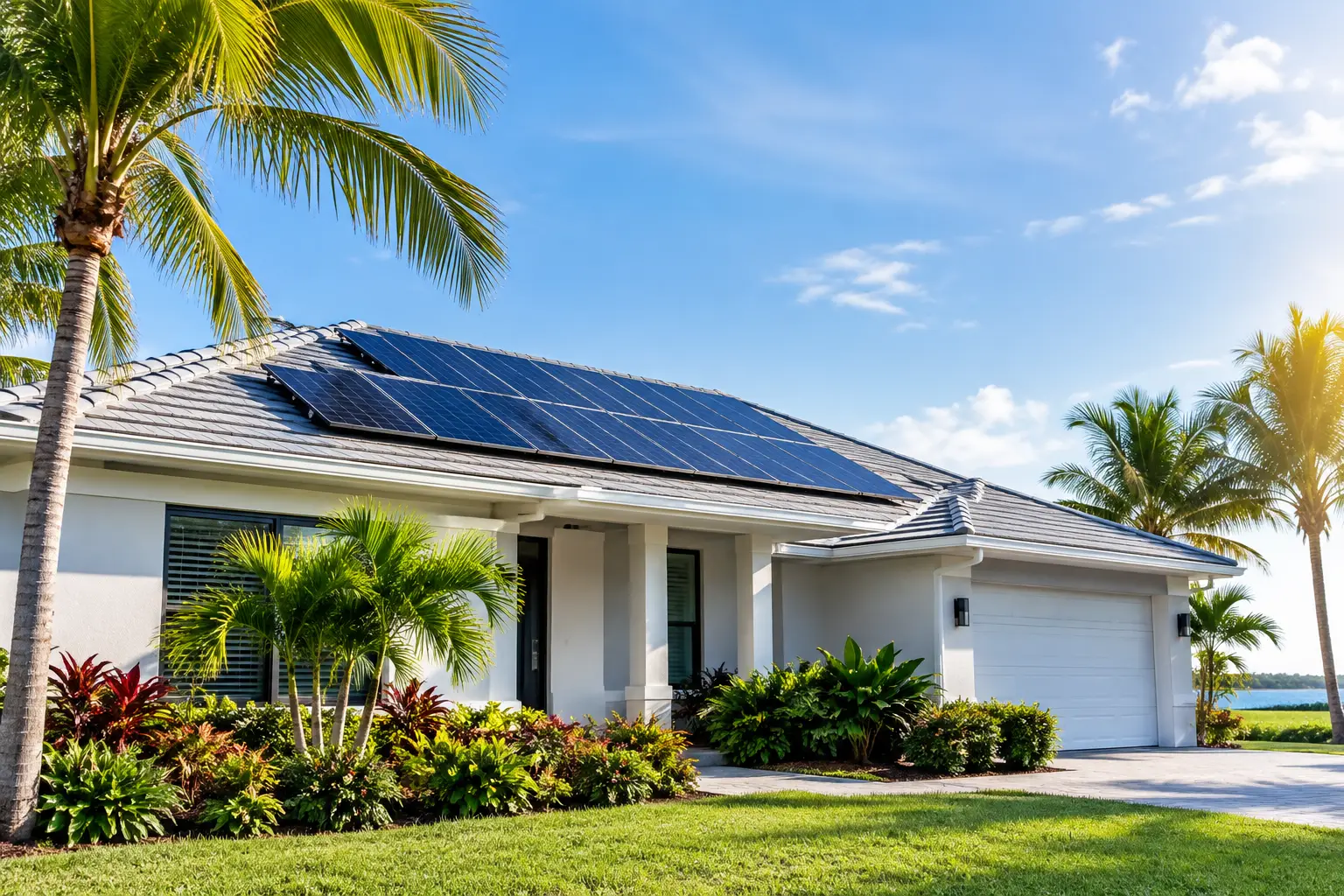
A solar upgrade example is easiest to understand when you picture a home that already has panels but needs its system to do more. Maybe the household has added an electric vehicle, a pool heater, or a larger family. Maybe the original installation no longer reflects how the property uses energy. The answer is not simply adding panels. It is building a coordinated upgrade that increases production, supports the electrical system, and closes every permit requirement correctly.
For South Florida homeowners, a well-planned solar upgrade can turn an existing installation into a stronger property asset. It can support lower utility dependence, prepare the home for battery backup, and protect the value of the work already completed.
A Solar Upgrade Example: From Existing Panels to a Stronger System
Consider a homeowner in Broward County with a solar system installed several years ago. The system was sized for the home’s original energy use: standard air conditioning, appliances, and lighting. Since then, the homeowner has installed a pool pump, added a home office, and plans to purchase an electric vehicle.
The existing panels are still producing, but the system no longer offsets as much of the property’s energy use as it once did. The homeowner wants additional solar capacity and would like to prepare for battery backup in a future phase. There is also an unresolved municipal permit from the prior work that needs professional attention before the upgrade can move forward cleanly.
This is a realistic solar upgrade example because it reflects how many properties change over time. Solar should continue to match the way a property operates, not remain fixed to the energy needs of years ago.
Step One: Review What Is Already on the Roof
An upgrade starts with a complete review of the existing equipment and property conditions. The goal is to identify what can remain in service, what needs correction, and what must be added to support the homeowner’s goals.
That review includes the current panel layout, inverter condition, electrical connections, roof condition, utility usage, and available roof space. It also includes a check of the system’s permit history and municipal records. If an open permit, expired permit, or code item is on file, it can be addressed as part of a properly managed resolution plan.
This early review prevents an upgrade from becoming a patchwork of unrelated work. A system can be expanded effectively when the existing equipment, electrical capacity, and paperwork are all considered together.
Why the Roof Matters Before Adding Panels
The roof is part of the solar plan, not a separate afterthought. If it is in good condition and has usable space, panel additions may be straightforward. If roofing work is needed, solar panels may need to be removed and reinstalled so the new roof can be completed correctly.
Handling that sequence professionally protects both the roofing investment and the solar equipment. It also gives the homeowner a clearer path forward rather than forcing separate projects to compete with each other.
Step Two: Size the Upgrade Around Current Energy Use
In this example, the home now uses more electricity during the day and into the evening. The upgrade should be sized around those real conditions, along with the homeowner’s plans for the next several years.
The design team looks at how energy is being used, not just how many panels can fit on the roof. An effective design may account for air conditioning demand, pool equipment, an electric vehicle charger, future appliances, and the homeowner’s interest in battery backup.
Four factors shape the final plan:
- Available roof area and sunlight exposure
- Existing panel and inverter compatibility
- Electrical service capacity and required upgrades
- Present and anticipated household energy demand
In some cases, additional panels can work with portions of the current system. In other cases, replacing an older inverter or updating related electrical equipment creates a cleaner, more capable result. The right approach depends on the property and equipment, which is why an on-site assessment matters.
Step Three: Build Battery Readiness Into the Plan
Battery backup does not have to be installed at the exact same time as a solar expansion, but it should be considered early. Planning ahead can reduce unnecessary rework later and help the homeowner decide which parts of the property should receive backup power.
For this homeowner, battery readiness may focus on essential circuits such as refrigeration, lighting, internet equipment, selected outlets, and cooling support. Another household may prioritize different areas based on daily routines and the size of the home.
The key is setting up an energy plan that supports resilience without overcomplicating the project. A battery can complement solar production by storing energy for use when it is most valuable, while an expanded solar array helps replenish that stored power.
Step Four: Resolve Permit and Compliance Items With the Upgrade
An open or incomplete permit should not stop a property owner from improving the system. It is a solvable item that needs a licensed contractor with the ability to diagnose the issue, complete the necessary work, coordinate with the municipality, and obtain final approval.
In this solar upgrade example, the previous permit record is reviewed alongside the physical installation. If corrections are required, they are documented and incorporated into the scope of work. The homeowner is not left to interpret technical notices or manage city communication alone.
This is especially valuable for properties where the prior installer is no longer available, where paperwork was never finalized, or where an inspection item needs correction. Closing the compliance loop protects the homeowner and helps ensure the upgraded system stands on a solid foundation.
Solar Construction LLC manages this process from technical diagnosis through final city approval. That accountability matters because solar work involves more than equipment on a roof. It involves electrical safety, municipal compliance, and a finished result the owner can rely on.
What the Finished Upgrade Can Accomplish
Once the additional solar capacity, electrical updates, and permit resolution are complete, the homeowner has a system better aligned with the property’s current needs. The result is not merely a larger array. It is an energy system with a defined purpose.
The property can generate more of the electricity it uses during the day, support increased household demand, and be positioned for a future battery installation. Just as importantly, the homeowner has clarity that the project has been completed with the proper professional oversight.
The financial impact varies by system size, utility use, roof conditions, and the equipment selected. A consultation is the right place to review those variables and build an upgrade plan around the property’s actual priorities.
Solar Upgrades Also Work for Commercial Properties
The same principle applies to commercial buildings throughout Miami-Dade, Broward, and Palm Beach counties. A business may have added equipment, extended operating hours, tenant improvements, or greater cooling demand since its original solar installation.
A commercial upgrade can add generation capacity, replace aging inverters, correct technical performance issues, and prepare key operations for battery backup. The project should be planned around the building’s energy profile and operational goals, with permits and inspections handled as part of the complete scope.
For commercial property decision-makers, the value is straightforward: energy infrastructure should keep pace with the building it serves. An upgrade creates a practical path to support efficiency, operational continuity, and long-term property performance.
A solar system should grow with the property, not hold it back. If your energy needs have changed, a professional assessment can turn the next step into a clear, well-executed upgrade plan.