
Solar Storage Integration for Reliable Backup

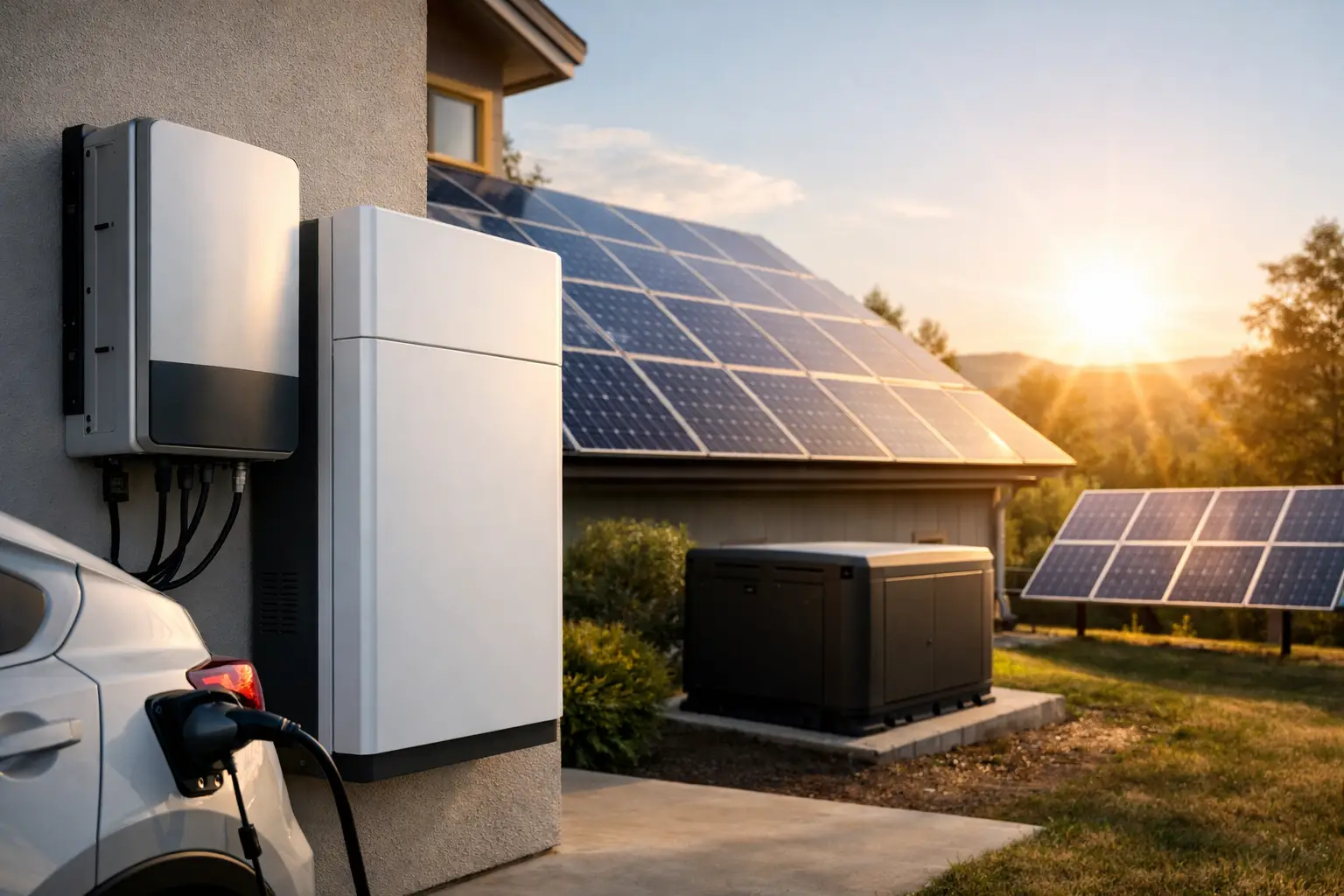
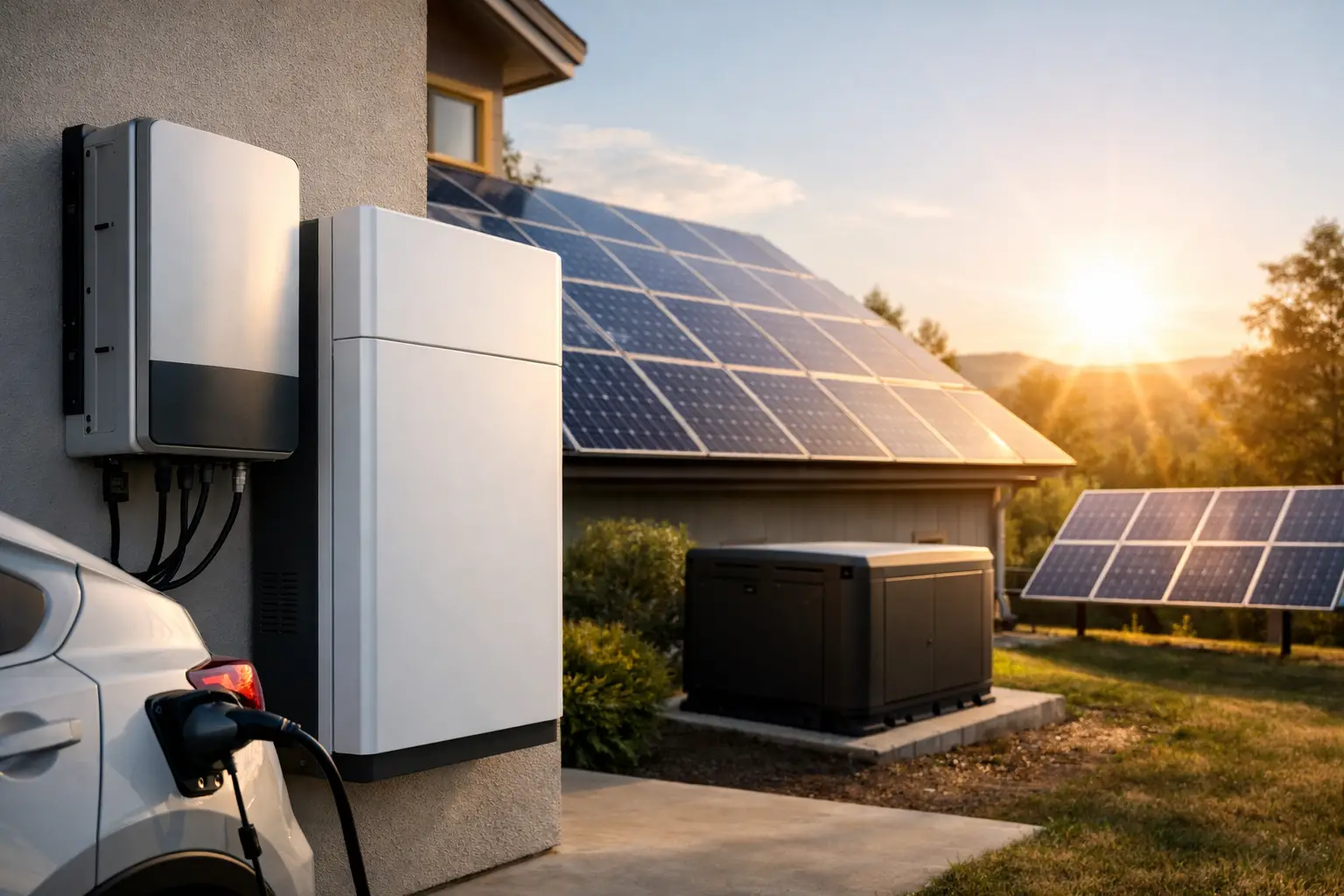
A solar system can lower the amount of electricity your property buys from the grid. Add a properly designed battery, and that energy becomes available when your home or business needs it most. Solar storage integration connects panels, inverters, batteries, and key electrical circuits into one coordinated system built for savings, continuity, and greater control.
For South Florida property owners, that control matters. High utility use, intense heat, storm-season preparation, and the need to keep essential equipment running all shape the right solution. The goal is not simply to add a battery to a solar array. The goal is to build an energy system that supports the way your property actually operates.
What Solar Storage Integration Does
Solar panels generate electricity during daylight hours. A battery stores available energy for use later, while the inverter manages the flow of power between the solar array, battery, electrical panel, and grid. When these components are selected and installed as one system, the result is a more responsive energy setup.
During normal operation, stored energy can help reduce reliance on grid power during high-use periods. When the grid is unavailable, the battery can supply designated circuits or a broader portion of the property, depending on the system design. Your solar panels can also continue contributing energy during daylight hours when configured with compatible backup equipment.
That distinction is valuable. Solar panels alone are designed to shut down during a grid outage for safety. A battery-backed system creates a controlled source of power for the property, keeping the energy you produce working harder for you.
Start With the Power You Need to Protect
The strongest battery plan begins with a practical conversation about priorities. For a residence, many owners want dependable power for refrigeration, lighting, internet equipment, security systems, garage access, select outlets, and air conditioning needs. For a commercial property, the priority may be communications, refrigeration, point-of-sale systems, emergency lighting, servers, access controls, or essential operations.
There are two common approaches. A critical-loads design supplies the circuits that matter most, providing focused backup and efficient use of stored energy. A whole-home or broader-building design supports more of the electrical panel and delivers a more comprehensive backup experience. The right choice depends on your building’s electrical demand, the equipment you want available, and how you use the property.
Air conditioning deserves special attention in South Florida. It can be included in a storage plan, but it has a significant energy demand. A professional assessment identifies the most effective configuration, whether that means supporting a selected system, managing loads intelligently, or designing capacity around larger backup goals. Clear planning prevents surprises and makes sure your battery serves real daily needs.
Battery Capacity and Power Are Not the Same
Battery capacity describes how much energy is available for use. Power output describes how much equipment the battery can run at one time. Both matter.
A system with ample stored energy may still need the right power capability to start and operate larger appliances or business equipment. This is why a battery should never be treated as a stand-alone purchase. It must be matched to the property’s electrical panel, inverter configuration, solar production, and intended backup loads.
Design Around Your Existing Solar System or New Project
Storage can be planned alongside a new solar installation or added to a property that already has panels. In either case, the condition and compatibility of the existing equipment guide the process.
For a new project, the solar array, inverter, battery, and backup panel can be designed together from the start. This creates a clean path for electrical planning, equipment placement, permitting, and future expansion. It also gives the owner one coordinated system instead of separate upgrades added over time.
For an existing solar system, the first step is evaluating the panels, inverter, electrical service, production performance, and permit status. Some systems are ready for a storage addition with the appropriate equipment. Others benefit from an inverter replacement, panel upgrade, added solar capacity, or technical corrections before battery installation. These are manageable project decisions when handled by a licensed solar contractor with the ability to address the full system.
Solar Construction LLC supports this process from diagnosis through installation and final approval. If an older project has an open permit, expired permit, incomplete work, or a municipal compliance issue, those records can be resolved as part of a clear path forward. The objective is straightforward: bring the system into proper condition and deliver an energy solution that performs as intended.
Installation Details That Protect Performance
A battery system requires more than a suitable place on a wall or pad. It needs a safe, code-compliant installation plan that considers electrical connections, clearances, equipment access, backup circuits, and the property’s layout. For commercial locations, planning may also include operational schedules, dedicated electrical loads, and the need to minimize disruption to tenants, staff, or customers.
Permitting is a central part of the work, not an afterthought. Local requirements help ensure the system is installed correctly and documented for final approval. A licensed contractor coordinates the technical work and the administrative steps, giving the owner one accountable team for the project.
Equipment placement also affects long-term convenience. The battery and related components should be accessible for service while fitting naturally into the home or facility. A thoughtful design protects the appearance of the property and makes future maintenance more direct.
Daily Savings and Storm-Season Readiness
The value of solar storage integration extends beyond backup power. A battery can help a property use more of its own solar production rather than sending available energy away when it is not immediately needed. Later, that stored electricity can serve evening demand or support key equipment when energy use rises.
For a homeowner, this can mean more predictable control over household energy use. For a business, it can support a more resilient operating environment and help protect the systems that keep the property productive. The exact result depends on solar production, consumption patterns, battery size, and the electrical loads selected for backup.
Storm preparation is another reason to integrate storage into a broader property plan. Batteries complement solar upgrades, roof assessments, and impact window and door improvements by helping the building remain better prepared for changing conditions. Each improvement has a different role, but together they support a property that is more efficient, protected, and ready to perform.
A Practical Path to the Right System
The best next step is a property-specific assessment. A qualified team can review your current solar equipment or planned installation, identify the circuits and operations you want to support, assess your electrical infrastructure, and recommend a configuration that fits your goals. System investment varies with property conditions, energy needs, equipment selection, and project scope, so a free consultation provides the clearest path to a tailored solution.
Whether you are adding backup to a family home, expanding an existing array, or strengthening a commercial property’s energy plan, the right system starts with a design built around your priorities. Reliable power should feel planned, not improvised.