
Residential Solar Installation Miami Done Right

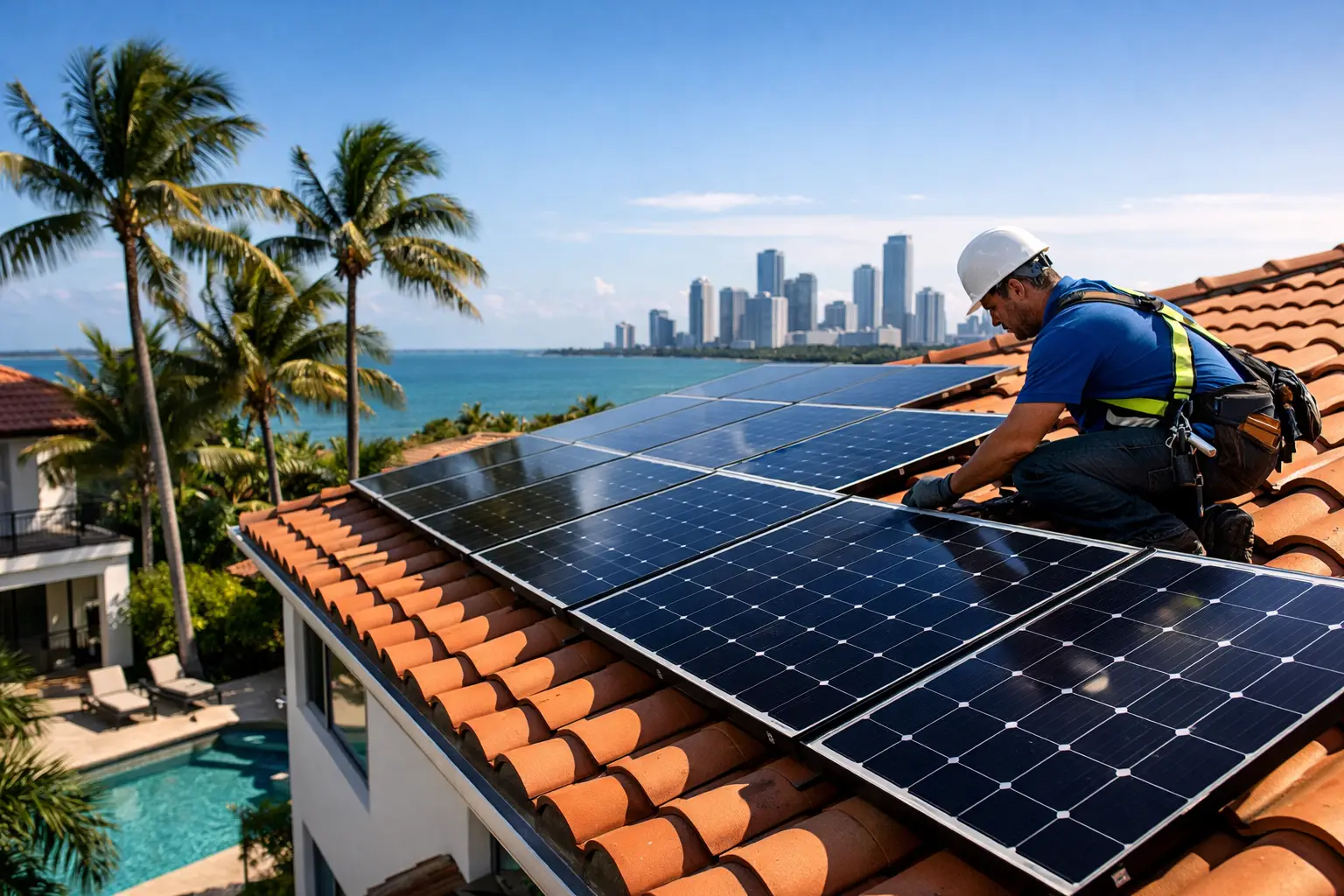
A Miami roof sees intense sun, heavy rain, salt air, and hurricane-season weather. That makes residential solar installation Miami homeowners choose more than a panel purchase. It is a property upgrade that must be designed for the home, installed correctly, permitted properly, and supported long after the system is turned on.
For homeowners who want lower utility dependence, stronger property value, and a smarter energy plan, solar delivers practical results. The key is working with a licensed contractor that takes responsibility for the full project, from the first site assessment through final approval.
Residential Solar Installation in Miami Starts With the Property
No two homes use energy the same way, even when they sit on the same block. A household with electric vehicles, a pool, high-efficiency air conditioning, or a growing family will have different needs than a smaller home with modest daytime usage. The right system begins with how the property actually operates.
A professional solar assessment looks at usable roof space, roof orientation, shading, electrical equipment, household consumption, and the homeowner’s goals. Some homeowners want to offset a significant portion of their utility usage. Others want to prepare for a future battery, add panels to an existing system, or create more predictable energy costs over time.
Roof condition also matters. Solar panels are built for long-term performance, so the roof beneath them should be ready for the same commitment. If a roof project is needed first, that can be addressed before installation. If solar panels must be removed and reinstalled for roofing work, a qualified solar contractor can manage that process without leaving the system’s electrical work or permitting status unresolved.
The result should be a system built around the home, not a one-size-fits-all package.
What a Complete Solar Project Looks Like
A properly managed installation is a coordinated construction and electrical project. Homeowners should expect a clear sequence of work, not confusion between designers, installers, inspectors, and utility requirements.
The project begins with a tailored system design and an evaluation of the home’s existing electrical setup. The design accounts for the roof layout and the equipment needed to convert solar energy into usable power. It also establishes the scope for permits and approvals before crews arrive for installation.
Once plans are ready, the contractor manages the permitting process with the local municipality. This step matters because a finished-looking solar array is not the same thing as a completed solar project. Proper documentation, inspections, and final approvals protect the homeowner and confirm that the work meets applicable requirements.
Installation includes mounting the panels, placing inverter equipment, completing electrical connections, and organizing the system for clean, dependable operation. After inspection and the required utility steps, the system is ready to begin producing energy for the home.
A dependable contractor stays accountable through each phase. That means communicating clearly, responding when site conditions require an adjustment, and carrying the project through to completion rather than treating installation day as the finish line.
Permits Are Part of the Installation, Not an Afterthought
Miami-area properties can have different municipal processes, and permit records can become complicated when previous solar work was left incomplete. An open permit, expired permit, missing final inspection, or electrical code item does not have to stop a homeowner from moving forward. These are solvable property issues when handled by a licensed solar contractor.
Solar Construction LLC specializes in resolving solar-related permit and compliance matters, including projects left unfinished by prior work. The process starts with identifying what is on record, determining what corrections are required, completing the necessary work, and managing the path to final city approval.
That experience is especially valuable for homeowners purchasing a property with an existing solar system, preparing for a roof replacement, upgrading older equipment, or trying to close out a permit issue that has followed the home. The goal is straightforward: bring the system and documentation into a complete, workable condition.
Solar, Battery Backup, and the Way Your Home Uses Power
Solar panels generate electricity during daylight hours. A battery backup system can add another layer of control by storing energy for use when it is most valuable to the household. For many South Florida homeowners, battery planning is tied to resiliency and the desire to keep selected home systems supported during an outage.
The best battery setup depends on what the homeowner wants to power. Some households prioritize essential circuits such as refrigeration, lighting, communications, and select outlets. Others want broader backup coverage for a larger portion of the home. The electrical panel, energy use, available installation space, and backup goals shape the recommendation.
Battery backup can be installed as part of a new solar project or considered as an addition to an existing system. Planning early creates a more organized path, but existing solar owners can also benefit from an assessment of their current equipment and options.
This is also where system upgrades can make a real difference. An inverter that no longer meets the property’s needs, a system that is underperforming, or a home that has added new electrical loads may benefit from technical service, inverter replacement, or panel additions. Solar should continue to serve the property as the property changes.
Protecting the Value of Your Solar Investment
A solar system is designed to be a long-term part of the home. Like any major electrical and construction upgrade, it benefits from professional attention when something changes. A monitoring alert, a drop in production, roof work, or a planned expansion should lead to a focused service evaluation, not guesswork.
Technical service can identify why a system is not performing as expected and correct the issue at the component level. In some cases, the solution may involve inverter service, wiring corrections, panel adjustments, or an update to system equipment. The right approach depends on the condition of the existing installation and the homeowner’s current goals.
Homeowners also have an opportunity to think beyond solar alone. Impact windows and doors can complement an energy-conscious property by improving storm protection and supporting a more comfortable indoor environment. When multiple upgrades are planned together, coordinating them through an experienced property improvement team can reduce unnecessary disruption and keep the work aligned with the home’s long-term plan.
Making the Investment Work for Your Household
The value of solar is personal. For one homeowner, it is about reducing exposure to rising utility usage. For another, it is about adding battery backup and greater confidence during storm-related outages. For a property investor, it may support stronger market appeal and a more efficient asset.
System cost varies based on the home’s energy needs, roof conditions, equipment selection, and project scope. Financing through bank loans and lease agreements can help qualified homeowners move forward with a solution that fits their plans. A direct consultation provides the clearest path because it connects the design, property condition, and financial approach to the same project.
What should never vary is the standard of execution. The system should fit the home, the work should be permitted and completed correctly, and the homeowner should have professional support if service or upgrades are needed later.
A well-planned solar installation gives a Miami home more than panels on a roof. It creates an energy asset built around the way the household lives now, with the flexibility to support what comes next.