

Solar Panel Removal and Reinstall Explained

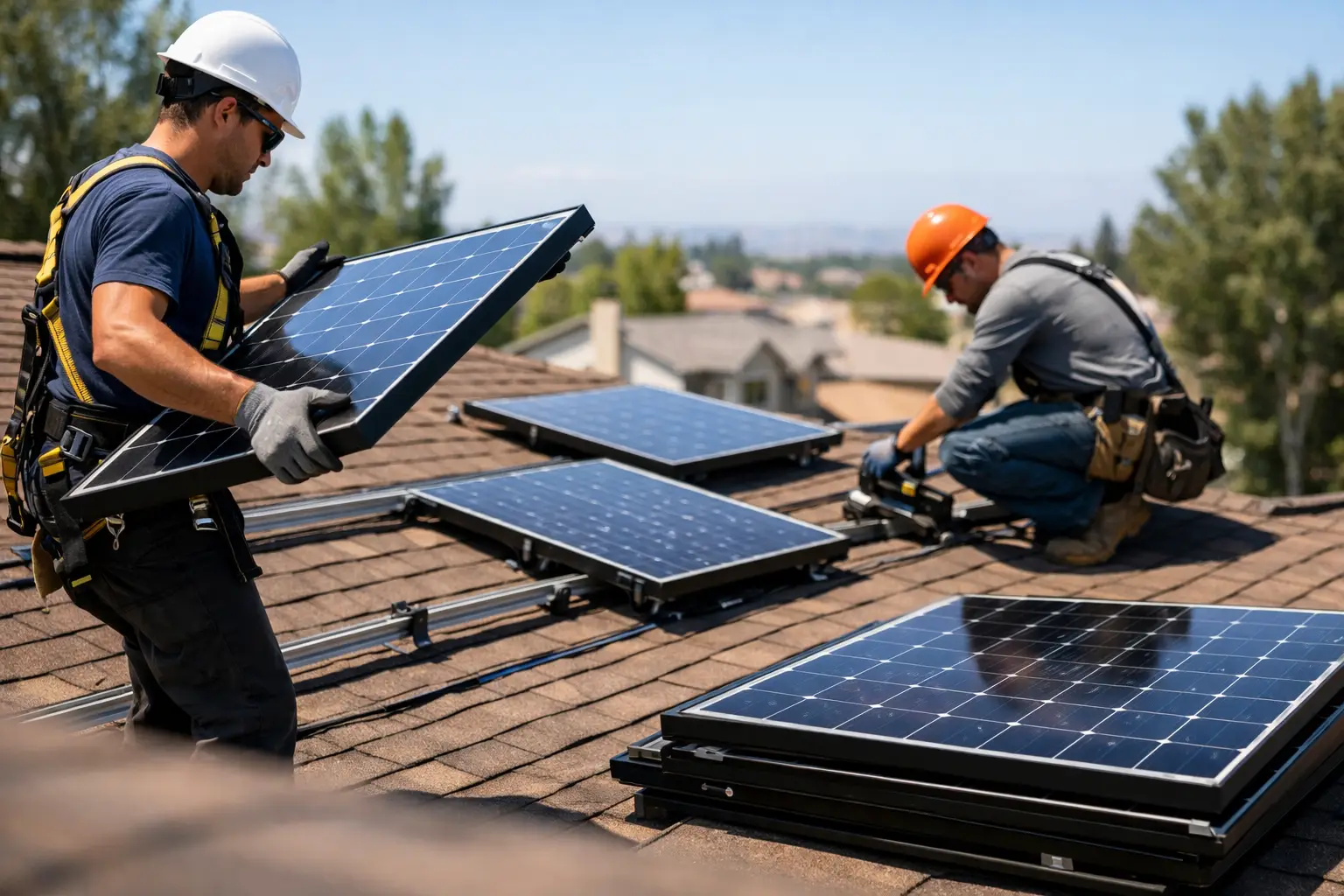
A roof problem rarely arrives at a convenient time. If your home or commercial building already has solar, the next question comes fast: what happens to the panels? That is where solar panel removal and reinstall becomes a critical service, not a side task. Done properly, it protects your roof, preserves system performance, and keeps the project moving without leaving permit or utility issues behind.
When solar panel removal and reinstall is necessary
Most property owners need panel removal because the roof needs work. That may mean a full roof replacement, structural repairs, leak correction, underlayment upgrades, or storm-related restoration. In South Florida, hurricane exposure and heat can accelerate roofing wear, so the timing matters. Waiting too long can turn a manageable project into a larger repair.
There are also cases where removal is needed for solar system corrections. A mounting issue, wiring problem, outdated layout, or unfinished permit situation can require the array to come off so the system can be reworked the right way. On commercial properties, roof access for mechanical upgrades can also trigger temporary panel removal.
Not every roof project requires the same scope. Some systems can be partially removed and reset in sections. Others need full dismantling because of roof age, array layout, or code requirements. That is why the right approach depends on both the roof condition and the condition of the solar equipment underneath and around it.
What proper solar panel removal and reinstall should include
This process is more involved than unbolting panels and putting them back later. A qualified team starts by documenting the existing system, including panel placement, mounting points, wiring paths, inverter connections, and any visible wear. That record matters because reinstalling without a clear plan can create performance losses or inspection problems.
The equipment then needs to be disconnected safely and removed in the correct order. Panels, rails, attachments, and electrical components should be labeled and protected during storage if they are being reused. If any hardware is no longer code-compliant or has been damaged by weather, corrosion, or previous workmanship issues, that should be addressed before the reinstall phase begins.
Once the roof work is complete, the system has to be reinstalled with the same level of care as a new solar project. That means proper attachment spacing, flashing, sealing, wire management, grounding, and final testing. If permits or utility approvals apply, those items should be handled as part of the job rather than left hanging after the panels are back on the roof.
Why roof and solar coordination matters
The biggest delays usually happen when roofing and solar are treated as separate problems. One contractor finishes their part, then the next team arrives and finds missing information, misaligned timelines, or attachment locations that no longer work with the new roof system. That is when projects stall.
A coordinated removal and reinstall keeps responsibility clear. The roof has to be ready for solar attachments. The solar layout has to respect roof penetrations, drainage, setbacks, and updated code requirements. If one side is not aligned with the other, the property owner ends up stuck in the middle.
For that reason, accountability matters as much as technical skill. A provider that understands both the solar system and the roof condition can make decisions early instead of reacting after problems show up. That is especially important when dealing with municipal requirements, inspections, and utility paperwork.
Protecting system performance after reinstallation
Most owners want to know one thing after roof work: will the system perform like it did before? The answer depends on how carefully the reinstall is handled.
If the array goes back in its original configuration and the equipment remains in good condition, performance can usually be preserved. In some cases, it can even improve if the reinstall corrects earlier layout issues, loose wiring, or underperforming components. But if panels are mixed up without documentation, mounted poorly, or reconnected with damaged hardware, the system may produce less energy or develop service issues later.
This is why post-install testing is not optional. The system should be checked for secure connections, proper voltage, inverter communication, grounding integrity, and visible installation quality. A project is not finished when the panels are back on the roof. It is finished when the system is verified to be operating correctly.
Permits, code issues, and the problems many owners inherit
One of the less obvious parts of solar panel removal and reinstall is paperwork. Property owners are often surprised to learn that older systems may already have unresolved permit issues, failed inspections, or code violations on record. Those problems do not disappear just because the panels are temporarily removed.
In fact, roof work often exposes them. Once the system is touched, municipalities may require corrections before sign-off. That can involve attachment updates, labeling changes, electrical upgrades, or documentation that should have been completed the first time. For homeowners and facility managers, this is frustrating – especially when the original installer is gone or unwilling to fix it.
This is where experience matters. A contractor that knows how to close open permit issues and resolve solar-related municipal problems can keep a roof project from getting trapped in administrative delays. Solar Construction LLC has built a reputation in South Florida for taking on exactly these situations and getting them closed out properly.
Residential and commercial projects are not the same
On a home, the main concerns are usually roof protection, system uptime, and keeping the process straightforward. The homeowner wants to know the roof will be watertight, the solar equipment will be handled carefully, and the project will not turn into a chain of avoidable delays.
Commercial properties add more moving parts. There may be larger arrays, multiple inverters, tenant considerations, electrical shutdown coordination, and stricter access planning. Reinstallation may also need to account for roofing zones, equipment curbs, drainage paths, or facility operations that cannot be interrupted for long.
The core principle is the same in both cases: remove the system carefully, protect the equipment, complete the roof scope correctly, and reinstall to current standards. The difference is in planning and execution. Larger or more complex properties leave less room for guesswork.
What property owners should expect from the process
A well-managed project should feel organized from the start. The existing system is reviewed, the roof scope is coordinated, equipment handling is planned, and the reinstall path is defined before work begins. That upfront clarity reduces surprises later.
There can still be variables. If hidden roof damage is uncovered, if old mounting hardware cannot be reused, or if existing solar work was not installed to code, the scope may need to adjust. That does not mean the project is off track. It means the team is solving the real conditions on site instead of ignoring them and creating bigger issues after reinstallation.
Communication matters here. Property owners should know what stage the project is in, whether any corrections are needed, and when the system is expected to be producing power again. Clear updates keep the process practical and reduce unnecessary stress.
Choosing the right time for removal and reinstall
If your roof is nearing the end of its service life, delaying action usually does not help. Removing and reinstalling solar after a leak has spread or storm damage has worsened adds pressure to a process that already involves scheduling, permitting, and coordination. Planning ahead gives you more control.
It can also be the right time to improve the system. Some owners use this window to replace aging inverters, correct old workmanship issues, or prepare for battery backup integration. That does not mean every project needs upgrades. It means roof work creates an opportunity to make smart corrections while the system is already being handled.
The best outcome is simple: your roof is protected, your solar system is restored properly, and the property is left in better condition than before the work started. That takes more than labor. It takes experience, follow-through, and a team that treats the entire job as one responsibility.
If your panels need to come off for roof work or a solar correction, the right move is to handle it before a manageable project becomes a complicated one. A careful, code-conscious solar panel removal and reinstall protects more than equipment – it protects the long-term performance of your property.