

A Guide to Solar Panel Additions That Deliver

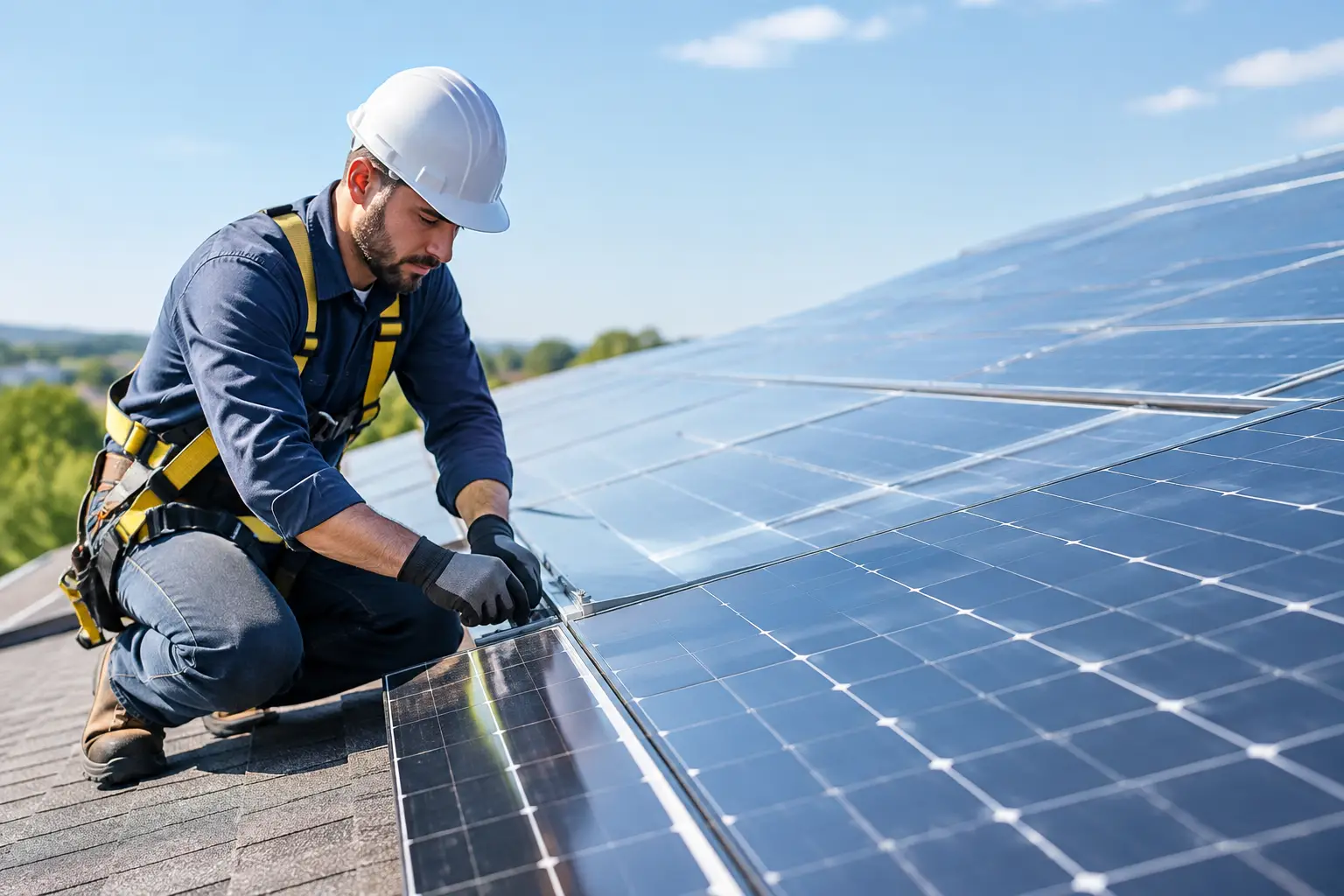
Your solar system was built for the way your property used energy at the time of installation. A new electric vehicle, a growing family, expanded business hours, or added air-conditioned space can change that calculation quickly. This guide to solar panel additions explains how to increase solar capacity with a plan that supports your property, your utility goals, and long-term system performance.
Adding panels is not simply a matter of finding open roof space. The right addition starts with a clear picture of what your current system produces, what your property now consumes, and how the upgraded system will be designed, permitted, and connected. Done correctly, a panel addition can help your property capture more value from the roof you already own.
When a Solar Panel Addition Makes Sense
A solar panel addition is a practical move when your energy use has grown beyond the output of your existing system. For homeowners, that often happens after purchasing an electric vehicle, installing a pool heater, upgrading to larger air-conditioning equipment, or converting space into a home office or guest suite. For commercial properties, new equipment, longer operating hours, tenant improvements, and business expansion can create the same need.
The signal is straightforward: your utility usage has increased while your solar production has remained flat. Your system may still be working exactly as designed, but it was designed for a different demand profile. Adding capacity allows the solar system to better match the property you have today.
An addition can also be the right time to improve the overall energy plan. A property owner may want battery backup for greater resilience, updated monitoring, or an inverter replacement that supports the expanded array. These improvements should be considered together so each component works toward the same objective.
Start With Your Current System, Not the New Panels
The first step is a professional assessment of the existing solar equipment. Before new panels are proposed, the system needs to be evaluated for production, condition, available capacity, electrical configuration, and roof layout. This protects the performance of the original system while creating a clear path for the addition.
Production history matters. Reviewing prior output alongside current utility consumption helps identify how much additional generation would serve the property well. A quality assessment also checks whether any shading has changed since the original installation. Mature landscaping, nearby construction, roof additions, and new mechanical equipment can all affect where additional panels should go.
The electrical side deserves equal attention. The inverter, main service equipment, wiring, and utility interconnection must support the planned expansion. Sometimes the existing equipment can accommodate more capacity efficiently. In other cases, an inverter upgrade or another design approach provides a stronger result. The right answer depends on the equipment already in place and the goals for the property.
Match the Addition to How You Use Energy
More panels are most valuable when they are sized around real energy use. That means looking beyond a single high utility bill and identifying what has changed over time. A home with a newly added EV charger has a different usage pattern than a property with increased daytime cooling needs. A retail space that has extended evening hours may prioritize energy production differently than an office building used primarily during the day.
This planning also helps account for future upgrades. If you expect to add a battery, electrify more equipment, build out living space, or expand a commercial operation, it makes sense to design the solar addition with that direction in mind. Planning ahead can avoid unnecessary rework and keeps the system aligned with the property’s growth.
There is no one-size-fits-all panel count. The appropriate system size depends on available roof area, electrical capacity, energy goals, equipment compatibility, and local requirements. A professional site review turns those variables into a clear recommendation rather than a guess.
Roof Condition and Layout Shape the Project
A solar panel addition should work with the roof, not against it. The roof needs sufficient usable space, reliable structural condition, and a layout that supports productive panel placement. South Florida properties also require careful consideration of wind-load requirements and proper attachment methods.
If a roof is approaching the point where replacement makes sense, it is often more efficient to address the roof before expanding the solar array. Solar panels can be removed and reinstalled for roofing work, but coordinating the roof and solar plan upfront can simplify the process. A roofing assessment provides the clarity needed to protect both investments.
Layout matters as much as square footage. Roof planes receive sunlight differently throughout the day, and vents, skylights, mechanical units, and setbacks can influence available space. An experienced design accounts for these conditions while preserving safe access and a clean installation.
Permits and Compliance Are Part of the Addition
Permitting is not a side task. It is a central part of a successful solar panel addition, especially when an existing system has an open permit, expired permit, incomplete documentation, or another municipal issue on record. These situations are solvable, and resolving them properly is the best way to keep an expansion moving forward.
A licensed contractor can diagnose the status of the existing system, identify what the municipality requires, complete necessary corrections, and manage the process through final approval. This is particularly valuable for property owners who inherited an issue from a prior installation or who need to bring an older project to a clean close before adding new capacity.
For Miami-Dade, Broward, and Palm Beach County properties, local requirements and utility coordination need to be handled with care. The goal is simple: an addition that is properly documented, professionally installed, and ready to deliver the performance your property needs.
Choosing Equipment That Works Together
Panel additions are most effective when the new equipment is selected to work with the existing system. Compatibility affects how the system is designed, monitored, and serviced over time. Your contractor will evaluate the current panels, inverter type, mounting equipment, and electrical setup to determine the best path forward.
In some cases, matching the existing equipment is practical. In others, modern equipment can be integrated through a design that keeps both the original and added capacity operating properly. The focus should be on dependable production and straightforward service, not on forcing a design that looks simple on paper but creates complications later.
This is also an opportunity to correct underperforming components. If monitoring reveals production concerns, equipment faults, or aging parts, those issues can be addressed as part of a coordinated solution. A properly functioning foundation gives every added panel a better chance to deliver meaningful results.
What the Installation Process Should Feel Like
A panel addition should feel organized from the first site visit through final inspection. After the property assessment and system design, the project moves through engineering, permitting, equipment planning, installation, inspection, and utility-related steps as required. Clear communication is essential because the work affects your roof, electrical system, and energy planning.
The strongest projects are managed as complete property improvements, not isolated equipment installs. That means protecting the roof, maintaining orderly job conditions, completing electrical work professionally, and keeping permit responsibilities on track. For commercial owners and facility managers, coordination also helps reduce disruption to tenants, staff, and daily operations.
Solar Construction LLC handles panel additions, system upgrades, technical corrections, and municipal resolution work with that full-service mindset. The objective is not merely to add equipment. It is to deliver an expanded solar system that is built correctly and supported after installation.
Make the Addition Part of a Larger Property Plan
Solar capacity can support broader goals for comfort, protection, and operating efficiency. A homeowner may pair an addition with battery backup to keep selected essential loads available during outages. A commercial property may use the project to support higher electrical demand while improving long-term energy management. Properties planning storm protection upgrades can also coordinate solar work with roof, impact window, or door improvements where appropriate.
Financing for new solar work can be available through bank loans and lease agreements, depending on the project and property needs. Since every addition is shaped by system size and site conditions, a consultation is the right place to review the available options and build a plan around the outcome you want.
Your property has changed since the original solar system was installed. Your solar capacity can change with it. A professional assessment gives you a practical next step: understand what your existing system can support, resolve any outstanding requirements, and add the production that moves your property forward.