

Battery Backup Installation Guide for Florida Homes

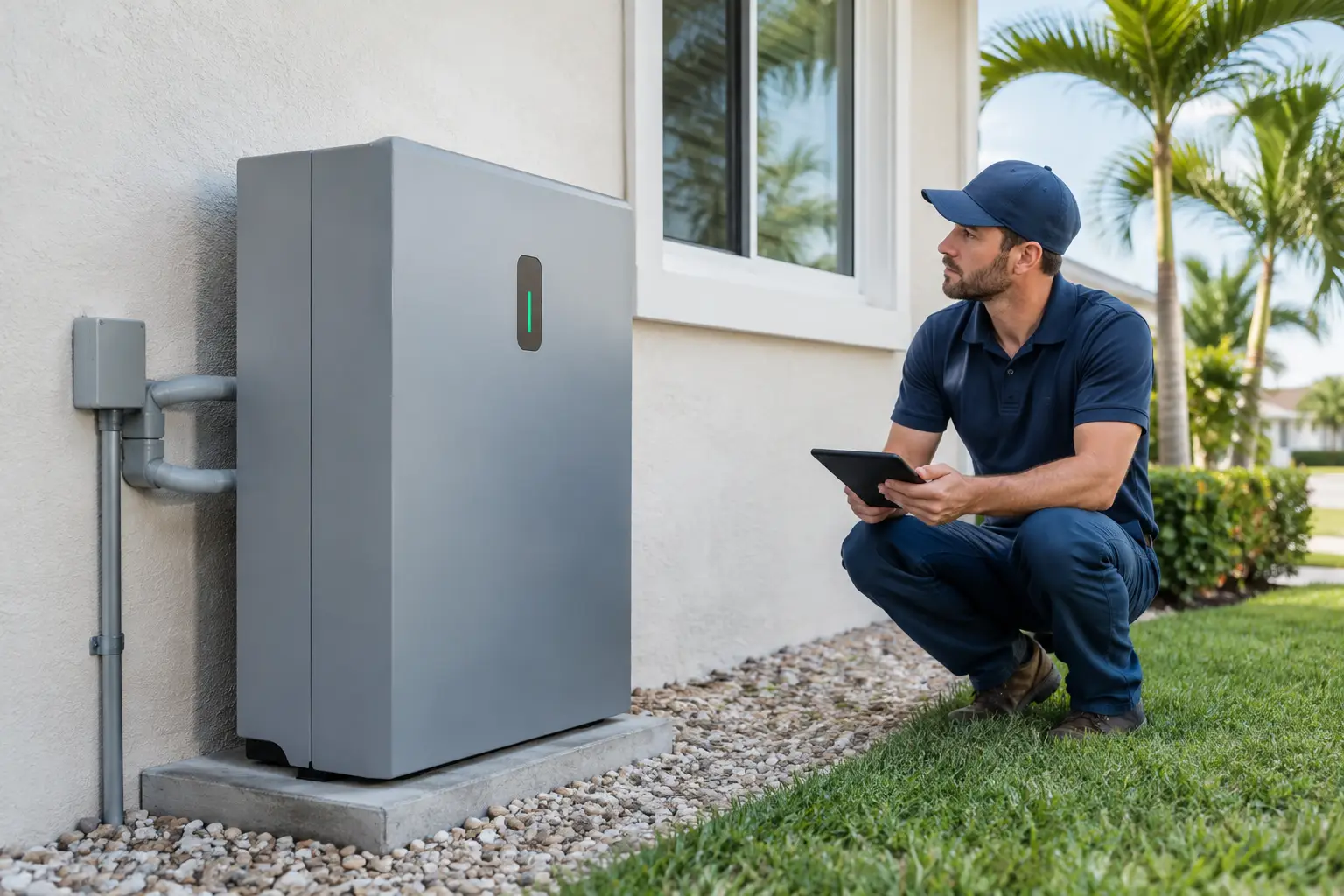
When a South Florida storm takes out power, a battery can keep the parts of your property that matter most operating: refrigeration, lighting, internet, security, and essential comfort equipment. This battery backup installation guide explains what a professional installation involves, how to choose the right level of coverage, and why planning the system around your real needs delivers better results than simply choosing the largest battery available.
A battery backup system is more than equipment mounted on a wall. It is a coordinated electrical solution that works with your home or commercial property, utility service, solar system when applicable, and local permitting requirements. The right design provides dependable power when the grid goes down while keeping everyday operation simple.
Start With the Power You Need to Protect
The first decision is not which battery to buy. It is deciding what needs to stay powered during an outage. For many homeowners, that means the refrigerator, kitchen outlets, key lighting circuits, Wi-Fi, garage access, security equipment, and selected bedroom outlets. Some properties also prioritize a pool circulation system, medical equipment, or a smaller air-conditioning load.
Commercial properties may focus on network equipment, point-of-sale systems, emergency lighting, refrigerated inventory, access control, or critical office circuits. The goal is to maintain continuity for the functions that protect people, property, and operations.
This is where a professional load assessment matters. Every appliance and circuit draws power differently, and certain equipment needs more power to start than it uses while running. A qualified installer reviews the property’s electrical panel and your priorities to determine the right battery capacity, inverter output, and backup configuration.
Whole-property backup can be an excellent fit for some buildings, but it is not always necessary. A critical-loads design often provides strong outage protection with a more focused system. The best option depends on the property, the equipment you want to run, and how you expect to use power during an outage.
Battery Backup Installation Guide: The Professional Process
A properly managed installation follows a clear sequence. It begins with an on-site evaluation of your electrical service, existing solar equipment, panel capacity, battery location, and backup goals. This assessment identifies the cleanest path for installation and confirms whether upgrades or adjustments are needed before the battery is connected.
Next comes system design. The installer determines where the battery, inverter, and required backup controls will be placed. Battery equipment must be accessible for service, installed in an approved location, and protected according to manufacturer and electrical code requirements. A thoughtful placement plan also keeps the finished installation organized and appropriate for the property.
If you already have solar panels, the design must account for the type and condition of the existing inverter. Some systems can be expanded with compatible backup equipment. Others may need an inverter replacement or a different integration approach. This is a normal part of tailoring the project to the equipment already on site, and it gives the property owner a clear path forward instead of forcing a one-size-fits-all solution.
Once the design is approved, the permitting process begins. In Miami-Dade, Broward, and Palm Beach counties, electrical work and battery installations generally require local approvals and inspections. These steps are not a burden when they are handled correctly. They confirm that the installation meets applicable standards and that the backup system is ready to operate safely.
After permits are in place, the installation team mounts the equipment, completes the electrical connections, configures the backup circuits, and verifies communication between the battery, inverter, and monitoring platform. The final stage includes testing. The system is checked under backup conditions so you know which circuits are protected and how the equipment responds when utility power is unavailable.
Choosing Battery Capacity for Real Outage Conditions
Battery capacity affects how long your selected loads can run. Larger capacity generally supports longer backup time, while higher inverter output supports more equipment operating at once. Both matter, but they solve different needs.
A household that wants to power essential circuits for an evening or overnight outage has different requirements than a property that needs extended support for a larger set of loads. Solar production can also help recharge a compatible battery during daylight hours, extending the value of the system during a prolonged outage.
Daily habits affect performance as well. Running several large appliances at the same time uses stored energy faster than operating essentials thoughtfully. During an outage, a well-designed backup plan may prioritize refrigeration, lighting, communications, and security first, then add other loads as available power allows.
This does not mean sacrificing comfort. It means matching the system to the outcome you want. A professional design gives you a practical understanding of what the system will support, so expectations are clear before installation begins.
Why Solar Integration Changes the Equation
A battery can be installed as a standalone backup solution or paired with solar. When integrated correctly, solar panels can recharge the battery during daylight, helping your property remain supported beyond the battery’s initial stored energy.
For existing solar owners, battery integration can also turn a solar system into a more active resilience tool. Standard grid-connected solar panels are designed to follow utility safety rules, which means they may not continue supplying power during an outage without properly installed backup equipment. Adding the right battery and controls creates a managed system that can safely provide power to selected loads when the grid is unavailable.
For new solar projects, planning the battery at the same time often creates the cleanest equipment layout and electrical design. For existing systems, an experienced contractor can evaluate compatibility and recommend the appropriate path, including inverter upgrades when needed.
Permits, Compliance, and Existing System Issues
Battery projects often involve more than adding a new piece of equipment. An older solar installation may have an open or expired permit, incomplete documentation, an outdated electrical component, or a prior issue that needs to be corrected before new work can move forward.
These are solvable project conditions. Addressing them early protects the value of the new investment and creates a clear route to final approval. A licensed contractor can review the existing installation, identify what must be resolved, complete the necessary corrective work, and manage the process through inspection.
Solar Construction LLC provides this full-service approach for property owners who need battery backup, solar upgrades, technical corrections, or permit resolution handled with accountability. Rather than leaving the owner to coordinate multiple parties, the work is managed from system assessment through final city approval.
What to Expect After Installation
Once your battery backup system is active, monitoring helps you see energy flow, battery status, and system performance. Your installer should also explain normal operation in plain language: what happens when the utility goes out, what loads are covered, how solar contributes if installed, and how to use the system effectively during an outage.
Routine maintenance needs are typically limited, but professional service remains valuable if your property changes. Adding major appliances, expanding solar panels, replacing an inverter, or renovating part of the building can affect backup planning. Reviewing the system before those upgrades keeps the electrical design aligned with your current needs.
A battery backup system gives your property a practical layer of independence when the grid is disrupted. With the right design, licensed installation, and permit management, it becomes a dependable part of how your home or business stays protected, connected, and ready.