

Can Batteries Power Essentials During Outages?

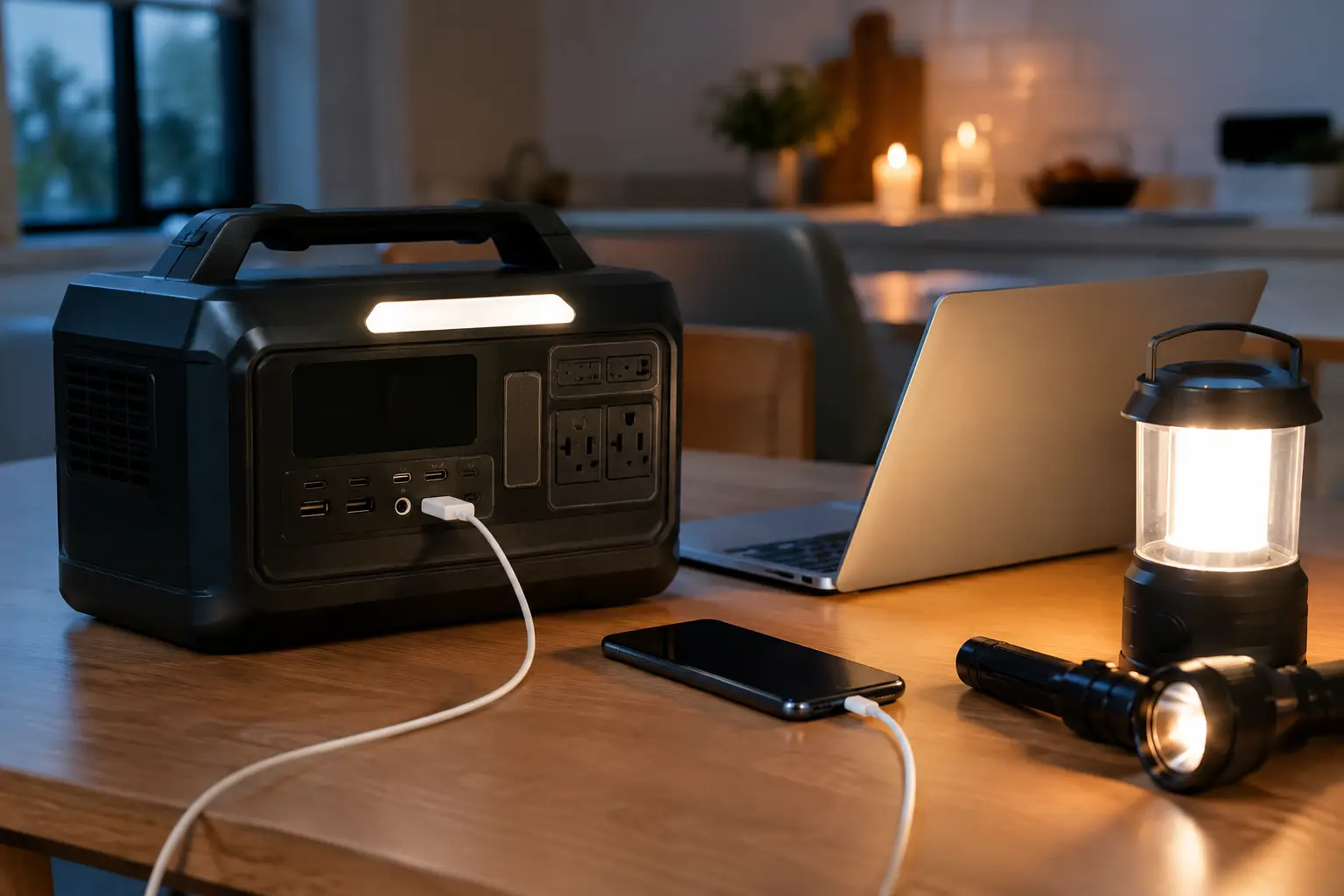
A South Florida power outage changes the priorities of a property fast. Air conditioning, refrigeration, internet access, lighting, security, and medical equipment can move from everyday conveniences to urgent needs within minutes. So, can batteries power essentials when the grid goes down? Yes – when the battery backup system is designed around the loads that matter most to your home or business.
A battery is not simply a box that stores extra solar energy. It is part of a complete energy plan that determines what stays powered, how long it can run, and how your property responds when utility service is interrupted. The right system gives you practical control at the exact moment control matters.
Can Batteries Power Essentials for Your Property?
Battery backup can support essential circuits during an outage, including selected lighting, refrigerators, internet equipment, outlets, security systems, and other priority loads. With the right system design, it can also support larger equipment such as air conditioning, well-planned kitchen loads, pool equipment, or business-critical systems.
The key is defining “essential” before installation. For one homeowner, that may mean a refrigerator, lights, Wi-Fi, garage access, and a bedroom air conditioner. For a family member who relies on powered medical equipment, the priority may be different. For a retail business, essential power could include point-of-sale equipment, network hardware, refrigeration, lighting, and security.
Battery backup is built around your actual needs, not a generic checklist. A properly scoped system directs stored energy where it delivers the most value and avoids wasting capacity on equipment that does not need to run during an outage.
What Battery Backup Can Keep Running
Most properties start with the equipment that protects comfort, food, communication, and security. These commonly include:
- Refrigerators and freezers
- Interior lighting and selected outlets
- Wi-Fi routers, phone charging, and home office equipment
- Security cameras, alarm systems, and garage doors
- Medical devices and critical accessibility equipment
- Select air conditioning equipment or a dedicated comfort zone
For commercial properties, the same approach applies with a stronger focus on operations. A battery can help keep communications active, protect refrigerated inventory, maintain security coverage, support essential computers, and give staff a more stable environment while grid service is restored.
Not every appliance uses energy at the same rate. A refrigerator cycles on and off, while an electric range, dryer, or whole-home air conditioning system can create a much larger demand. That does not make high-demand equipment off limits. It means the system needs to be planned for the way the property is actually used.
The Difference Between Backup Power and Whole-Property Power
There are two common approaches to battery backup: essential-load backup and whole-property backup.
Essential-load backup is focused. Specific circuits are selected and connected to the battery system. This approach is highly effective for homeowners and businesses that want dependable power for priority equipment without powering every electrical load at once. It keeps the plan clear: when an outage occurs, the property continues operating where it counts.
Whole-property backup is designed for broader coverage. It can support more of the building, including additional comfort and operational loads, depending on the battery capacity, solar production, electrical configuration, and energy habits. This approach is especially valuable for properties where continuity matters across more areas of the building.
Neither approach is automatically better. The right choice depends on the property, the people using it, and the level of outage protection you want. A professional site evaluation identifies the most effective solution without overcomplicating the project.
How Solar Panels Extend Battery Power
A battery stores power for use when you need it. Solar panels can help replenish that stored power during daylight hours, giving your backup system a longer working window during an extended outage.
That pairing matters in South Florida. Sunshine can become a practical resource after a storm, helping a properly configured solar-plus-battery system recharge and continue supporting selected loads. Instead of relying only on a fixed amount of stored energy, the system can produce and manage energy throughout the day.
Solar production changes with weather, time of day, shade, and system size. Battery storage adds flexibility by holding available energy for the evening, overnight hours, or an interruption in grid service. Together, solar and storage create a more resilient energy setup for the property.
This is also why existing solar owners often consider adding battery backup. Panels reduce reliance on utility power during normal operation, while storage provides another layer of protection when the grid is unavailable. The best path depends on the existing inverter, electrical equipment, panel capacity, and goals for backup coverage.
Why Load Planning Matters More Than Battery Size Alone
A larger battery provides more stored energy, but capacity is only one part of performance. How you manage loads has just as much impact on the experience during an outage.
For example, running a refrigerator, lights, communication equipment, and several fans requires a very different amount of energy than running multiple central air conditioning systems, electric cooking appliances, and high-demand equipment simultaneously. A professional design separates priority circuits, evaluates electrical demand, and creates a backup plan that works in the real world.
Smart load planning can also make the system feel more capable. Rather than sending power everywhere at once, the system can focus on the equipment that supports comfort, safety, and daily function. That is the difference between having stored energy and having usable backup power.
For businesses, planning may include which areas need to remain open, which equipment protects inventory, and what systems keep employees connected. For homes, it may include sleeping areas, refrigeration, internet access, security, and selected cooling. The plan should reflect the property’s real priorities, not assumptions.
Battery Backup During Hurricane Season
Hurricane season is when backup power becomes especially valuable across Miami-Dade, Broward, and Palm Beach counties. Battery storage gives property owners a quieter, automatic source of power that can respond when the grid goes down. There is no need to move extension cords, handle fuel, or manually start equipment when conditions are already stressful.
A battery system can be configured to switch into backup operation quickly when utility power is interrupted. The result is continuity for the circuits that have been selected for protection. That can mean lights remain on, food stays refrigerated, devices stay charged, communications remain available, and security systems continue working.
Preparation is more than installing equipment. It also means confirming that the electrical design, inverter, battery, and backup panel are properly matched. If a solar system has older equipment, incomplete work, or municipal permit issues, those concerns can be resolved as part of a professional path toward a compliant, dependable system.
A Clear Path to the Right Backup System
The first step is understanding how your property uses energy and what you want protected. An experienced contractor reviews your electrical setup, current solar equipment if applicable, roof and panel conditions, and the loads that matter most during an outage.
From there, the backup design can be tailored to your goals. You may want essential circuits for confident day-to-day protection, or broader property coverage for a higher level of continuity. System size and configuration vary based on the property and desired backup performance, so a direct evaluation is the most reliable way to plan the project.
Solar Construction LLC helps homeowners and commercial property owners turn those priorities into a working solar and battery solution, including system upgrades, inverter work, technical corrections, and permit resolution when needed. The focus is straightforward: build a system that is safe, compliant, and ready to perform.
When the next outage occurs, the question is not whether every device in the building can run at once. It is whether the equipment your household or business depends on will have power when it matters most. A properly designed battery backup system gives you a clear answer.