

Top Reasons Solar Inspections Fail in Florida

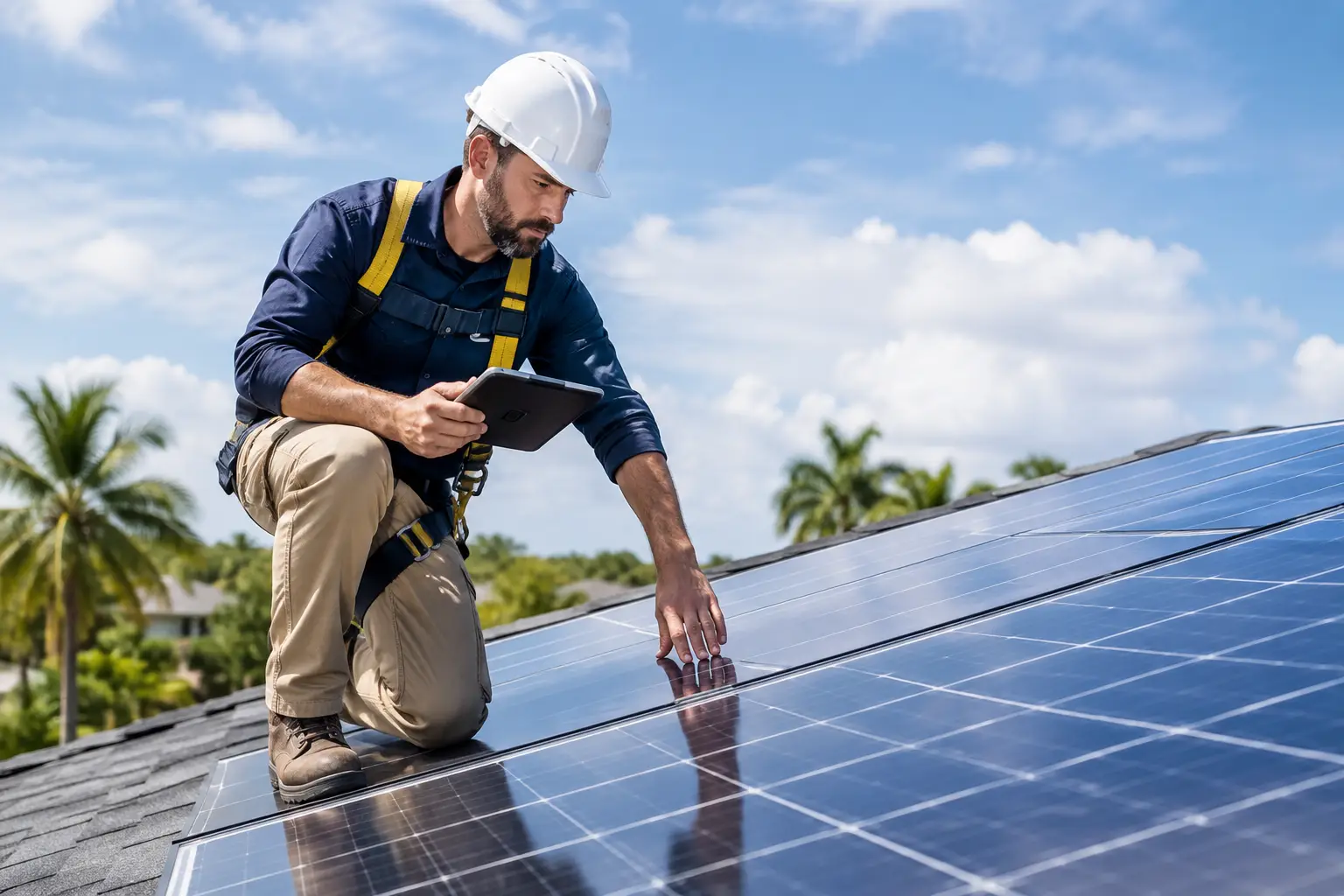
A solar installation is not complete when the panels are mounted. It is complete when the system passes inspection, receives final approval, and is ready to operate as intended. The top reasons solar inspections fail usually come down to correctable details: paperwork that does not match the work, electrical items that need adjustment, or installation components that require a closer look. The good news is that an inspection setback is a path to correction, not the end of the project.
For homeowners and commercial property owners in South Florida, a failed solar inspection can feel frustrating because it may delay permission to operate or leave an open permit on the property record. The right response is clear diagnosis, professional correction, and organized follow-through with the local municipality.
Why solar inspections matter
Municipal inspections confirm that a solar system has been installed according to approved plans and applicable electrical, structural, and safety requirements. Inspectors are protecting the property, its occupants, utility workers, and first responders. They are also verifying that the final installation matches what was permitted.
A passed inspection helps close the permit properly and moves the project toward final activation. If an inspector identifies an issue, the inspection report typically lists the correction needed. Some corrections are minor and can be resolved quickly. Others may require updated documentation, replacement equipment, or a licensed contractor to bring the work into compliance.
Top reasons solar inspections fail
1. The installation does not match the approved plans
This is one of the most common reasons an inspection is not approved on the first visit. Permit plans identify the panel layout, equipment location, electrical configuration, mounting method, and other project details. If the completed work differs from those plans, an inspector may require clarification or revised documentation before signing off.
Changes sometimes happen for practical reasons. A roof obstacle may require a panel to be moved, equipment may need to be placed in a different location, or an approved component may no longer be available. Those changes can be manageable, but they must be documented and accepted through the proper process. A clean installation still needs to match the permit record.
2. Electrical labeling is incomplete or unclear
Solar equipment requires specific labels so homeowners, electricians, utility personnel, and emergency responders can identify disconnects, power sources, and system components. Missing labels, faded labels, incorrect wording, or labels installed in the wrong place can result in a correction notice.
This may sound like a small issue, but labels play a direct safety role. They help someone quickly understand where power is coming from and how to isolate equipment when necessary. A professional service visit can verify that labels are durable, visible, and appropriate for the installed system.
3. Equipment grounding and bonding need correction
Grounding and bonding help protect the electrical system and property by providing a safe path for certain electrical conditions. Inspectors may flag missing grounding components, improperly connected conductors, loose connections, or installation details that do not meet code requirements.
These are not cosmetic corrections. They should be addressed by qualified solar and electrical professionals who can inspect the entire system rather than simply adjust the item listed on the report. A thorough review helps ensure the correction supports safe, reliable operation across the installation.
4. Rapid shutdown or disconnect requirements are not met
Solar systems include safety controls designed to reduce electrical hazards during an emergency or service event. Depending on the system design, inspectors may review rapid shutdown equipment, AC and DC disconnects, access to those disconnects, and the corresponding labels.
An inspection can be delayed if a required safety device is missing, inaccessible, incorrectly installed, or inconsistent with the approved plans. Because these requirements can vary based on the equipment and permit date, the fix should be based on the actual property, system design, and local inspection comments.
5. Roof attachments or flashing need attention
Solar racking must be securely attached to the roof structure. Inspectors may look at attachment spacing, hardware, flashing, waterproofing, and whether the mounting system follows its approved engineering requirements. In South Florida, where roofs must stand up to intense sun, wind, and rain, this work deserves careful attention.
A failed inspection related to roof attachments does not automatically mean the entire array must be removed. The required scope depends on the specific finding. It may involve correcting flashing, adding an attachment, confirming structural details, or making another targeted repair. The priority is protecting the roof while maintaining a secure solar installation.
6. The main electrical panel needs an upgrade or correction
The solar system connects to the property’s electrical infrastructure, so the main panel and related equipment are part of the inspection picture. Common issues include insufficient breaker space, incorrect breaker sizing, missing panel labeling, outdated equipment, or a configuration that requires adjustment to meet current requirements.
This is especially relevant for older homes and commercial buildings that have had multiple upgrades over time. A properly planned solution may include panel work, equipment reconfiguration, or a code-compliant upgrade. The objective is to give the solar system a safe, organized connection point that supports the property’s energy needs.
7. Permit paperwork is incomplete, expired, or still open
Not every inspection issue is visible on the roof or in the electrical panel. Administrative details can also hold up final approval. An expired permit, missing revision, unfiled document, incomplete inspection history, or prior contractor’s unfinished work can keep a project from moving forward.
Open solar permits are particularly important to resolve because they remain associated with the property. They can create unnecessary complications when owners are planning improvements, refinancing, or preparing to sell. A licensed contractor can review the status, identify what the municipality requires, complete the necessary corrections, and coordinate the process through final approval.
8. The installed equipment does not match the permitted equipment
Panels, inverters, optimizers, batteries, and disconnect equipment are generally identified in the project documentation. If installed products differ from what was approved, an inspector may request specification sheets, revised plans, or confirmation that the equipment is approved for the intended use.
Equipment substitutions are not always a major obstacle. They simply need to be handled correctly. When documentation and installation are aligned, the project has a clearer route to inspection approval.
What to do after a failed solar inspection
Start with the correction notice. It identifies what the inspector observed and provides the foundation for a focused response. Avoid treating it as a generic checklist, especially when the system was installed years ago, another company is no longer involved, or multiple permit issues exist. The condition of the equipment, permit history, and local jurisdiction all affect the correct solution.
A qualified solar contractor should inspect the system, verify the notice against the actual installation, determine whether plan revisions or additional permits are needed, and complete the corrective work. Once the corrections are ready, the contractor can coordinate the reinspection and continue managing the process until the permit is properly closed.
For properties across Miami-Dade, Broward, and Palm Beach counties, Solar Construction LLC handles solar inspection corrections, open permits, expired permits, code issues, and incomplete installations from diagnosis through final city approval. That means property owners have one accountable team managing both the technical work and the permit resolution process.
Preventing repeat inspection delays
The best way to avoid another failed inspection is to correct the root cause, not only the most visible item. If an inspector notes missing labels, for example, it is wise to confirm related disconnect access, equipment identification, and system documentation at the same time. If roof mounting is involved, the repair should account for both structural attachment and watertight flashing.
Clear records also make a difference. Keep permit documents, approved plans, equipment information, inspection reports, and final approvals together. This helps when you add panels, replace an inverter, install battery backup, complete roof work, or transfer the property in the future.
A solar inspection correction is a practical opportunity to bring the system, paperwork, and property record into alignment. With experienced support and a clear plan, you can move past the notice and toward a system that is approved, safe, and ready to deliver the energy benefits your property was built to enjoy.