
Solar Storage Versus Grid Power: Which Fits?

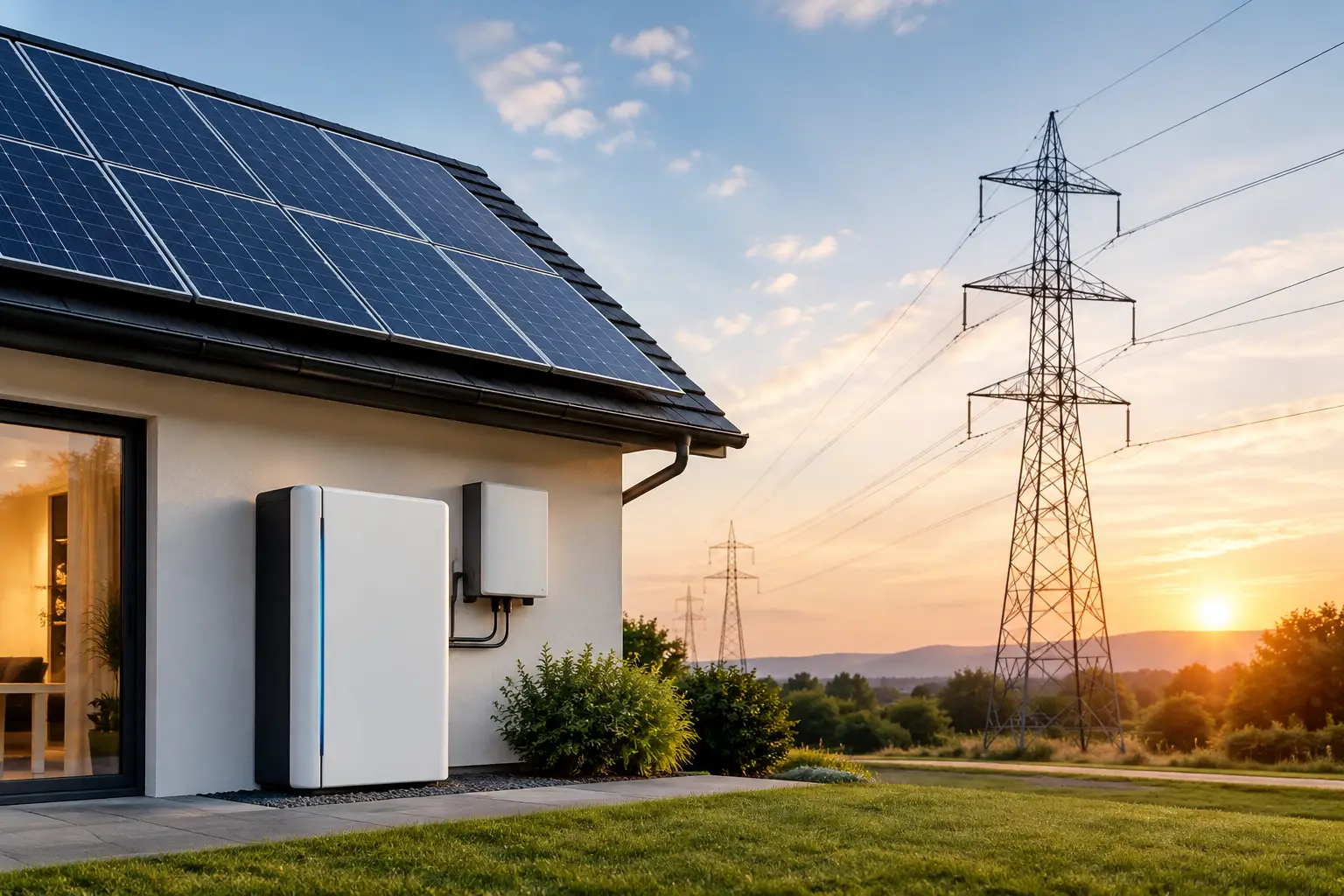
A South Florida property can produce plenty of solar energy at noon and still need power after sunset, during a storm outage, or when a business is operating before daylight. That is where solar storage versus grid power becomes a practical property decision, not just a conversation about panels. The right setup determines how your property uses energy, how it responds when the utility is unavailable, and how much control you have over your power.
For many homes and commercial properties, the strongest answer is not choosing one source over the other. It is building a solar system that works intelligently with the grid and adding battery storage where backup power and energy independence create real value.
Solar Storage Versus Grid Power: The Core Difference
Grid power comes from the local utility. When your solar panels are not producing enough electricity, such as at night or during heavy cloud cover, the grid supplies what your property needs. When your system produces more than the property is using, that energy may be sent back through the utility connection, depending on the approved setup and applicable program rules.
Solar storage uses batteries to hold solar energy for later. Instead of sending every unused kilowatt to the grid, the system can reserve a portion for your own use. That stored power can support selected appliances and equipment after sunset or provide backup electricity during an outage.
The difference comes down to timing and control. The grid gives you a dependable outside power source. Battery storage gives you access to energy produced at your own property when utility service is interrupted or when you prefer to use stored solar power.
Why South Florida Properties Often Benefit From Both
Solar panels and grid service already work well together. During the day, solar production can offset the electricity your home or business would otherwise purchase from the utility. At night, the grid continues to serve the property. This arrangement helps reduce reliance on utility power while maintaining the convenience of a connected electrical system.
Adding a battery changes what happens to excess daytime production. Rather than relying entirely on the grid to balance your energy use, your property can store power for the evening. That can be especially useful for homeowners who want to keep essential areas running during an outage and for businesses that need continuity for critical operations.
In Miami-Dade, Broward, and Palm Beach counties, storm preparedness is part of responsible property planning. A properly designed battery backup system can maintain power for selected priorities, such as refrigeration, lighting, communications, internet equipment, security systems, garage doors, and other approved loads. The exact coverage depends on the battery capacity, the electrical loads selected, and the design of the system.
What Grid Power Does Well
Grid-connected solar remains a strong solution for property owners focused on lowering utility consumption through daytime solar production. The grid handles power needs when solar output is lower, allowing the system to operate without requiring a battery for every installation.
This approach also makes sense when a property’s highest energy use occurs while the sun is out. A retail space, office, warehouse, or home with daytime occupancy can use solar production directly as it is generated. That direct use is simple and effective.
Grid power also provides flexibility as needs change. A property owner can install solar now and plan a battery upgrade later, provided the system design and available equipment support that path. Solar Construction can assess an existing system, add panels when appropriate, and recommend a battery solution that matches the property’s current electrical goals.
What Battery Storage Adds
Battery storage is about more than keeping lights on. It gives your property a reserve of power that can be used strategically. For homeowners, that can mean greater comfort and less disruption when utility service is down. For commercial properties, it can support continuity for essential equipment and help protect day-to-day operations.
A battery-backed solar system can also make solar energy more useful after the sun goes down. Many properties generate significant energy in the afternoon but use more electricity in the evening, when air conditioning, lighting, cooking, entertainment, or business activity continues. Storage helps bridge that gap by keeping a portion of solar production on site.
There is an important distinction here: a standard grid-tied solar system is designed to shut down during a utility outage for safety. Battery backup equipment allows designated circuits or loads to remain powered safely when the system is designed for backup operation. This is why professional design, electrical integration, permitting, and final approval matter. A battery is not simply an add-on. It must work correctly with the panels, inverter, electrical panel, and the priorities of the property.
Choosing the Right Energy Setup for Your Property
The best choice depends on how you use electricity and what you want your system to accomplish. A homeowner primarily focused on reducing monthly utility use may prefer a grid-connected solar system with room to expand. A homeowner who wants stronger storm resilience may prioritize battery backup for key household circuits.
Commercial decision-makers should look at operating hours, critical equipment, and the consequences of downtime. A business that depends on refrigeration, communications, security, servers, or customer access may gain meaningful value from a well-planned backup strategy. The goal is not to power everything without limits. The goal is to protect the loads that matter most and create a system that performs predictably.
It also helps to consider future improvements. A roof replacement, electrical service upgrade, panel addition, or inverter replacement can affect the best timing and layout for a solar or storage project. Addressing these components as part of one coordinated plan prevents unnecessary rework and keeps the project aligned with local requirements.
Battery Size Should Match Real Priorities
Storage is most effective when it is built around a clear load plan. A battery designed to support a few essential circuits can deliver focused backup performance. A larger configuration can serve more of the property, but the right design still starts with understanding how much energy the selected equipment uses and how long you want it supported.
For a residence, priorities often include refrigeration, kitchen essentials, lighting, fans, internet, phone charging, and security. For a commercial building, the priority may be a combination of network equipment, access controls, point-of-sale systems, emergency lighting, refrigeration, or a specific operational area.
This planning keeps expectations clear. Batteries provide powerful support, but performance depends on the size of the battery bank, available solar production, weather conditions, and the loads being used. A professional assessment turns those variables into a practical backup plan rather than a generic promise.
Installation Quality Protects the Value of the System
Solar storage and grid power must operate as one coordinated electrical system. That requires correct equipment selection, code-compliant wiring, approved interconnection, and documentation that meets municipal requirements. A well-executed installation protects performance and gives the property owner confidence that the system is built for long-term operation.
This is also where an experienced licensed contractor makes a difference. Solar Construction LLC manages solar installations, battery backup projects, system upgrades, inverter replacements, and technical corrections with the same focus: identify what the property needs, complete the work correctly, and carry the project through to final approval. If an existing solar system has open permits, expired permits, code items, or incomplete work on record, those issues can be resolved so the property can move forward with confidence.
Make Your Energy Plan Work for the Way You Live or Operate
Solar storage versus grid power is not an either-or decision for most properties. Grid connection delivers everyday convenience. Solar lowers dependence on purchased electricity. Battery storage adds resilience and greater control over when your solar energy is used.
The most valuable system is the one designed around your property, your electrical priorities, and your plans for the future. Whether you are protecting a family home or supporting a commercial operation, a tailored solar and battery assessment can turn those priorities into an energy system built to perform when it matters.