
Abandoned Solar Project Recovery That Gets Approved

A solar project should produce energy, not leave a property owner with an open permit, unfinished equipment, or unanswered calls. Abandoned solar project recovery is the process of taking control of an incomplete installation, identifying what remains, correcting any compliance issues, and moving the project toward final approval. For homeowners and commercial property owners, the goal is simple: turn a stalled project into a completed, working solar system.
An unfinished solar project can look different from one property to the next. Panels may be installed but not activated. Electrical work may be partially complete. A permit may have expired, inspections may have been missed, or a municipality may have issued a correction notice that was never resolved. These are manageable conditions when a licensed contractor takes ownership of the next steps.
What Abandoned Solar Project Recovery Includes
Recovery begins with a clear diagnosis. Before work can resume, the property needs an accurate picture of the existing system, the permit record, and the requirements for approval. Rushing into changes without that review can create unnecessary repeat work. A professional recovery plan connects the physical installation with the paperwork and inspections required to close the project correctly.
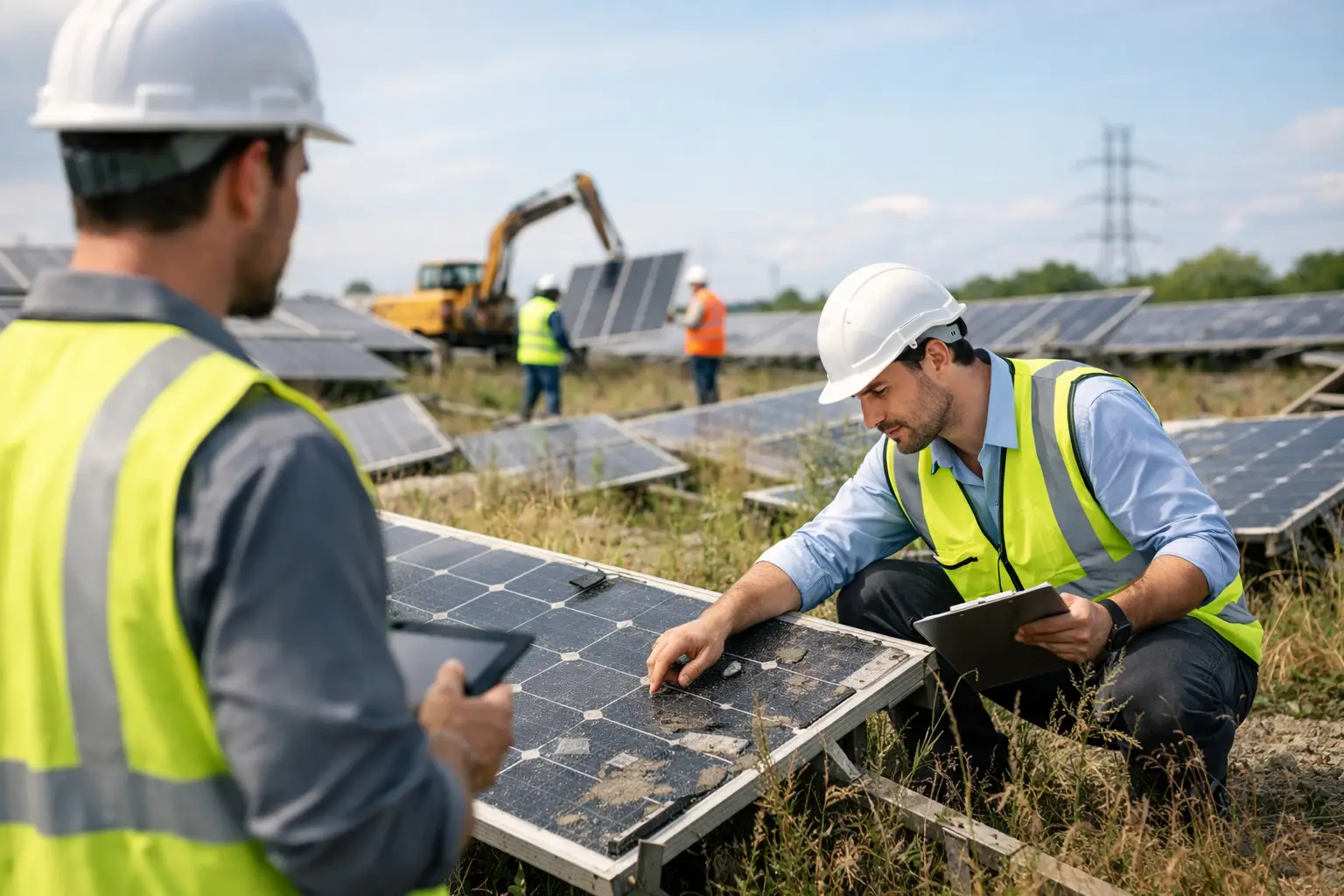
The first stage is typically an on-site assessment. This confirms the condition of installed panels, racking, wiring, inverters, disconnects, and electrical components. It also identifies whether the system is safe, whether equipment is compatible with the intended design, and what corrections are needed to meet current requirements.
The next stage is permit and municipal review. Local records can show whether a permit is open, expired, or subject to outstanding corrections. In South Florida, each municipality may have its own process, documentation standards, and inspection scheduling procedures. Managing those details is not an extra task. It is central to getting the project completed.
From there, the recovery work may involve repairs, replacement components, updated documentation, permit reactivation or replacement, inspection coordination, and final approval. The exact path depends on the installation status and the local authority having jurisdiction.
Why Open Solar Permits Need a Direct Plan
An open solar permit is not something to ignore. It can remain attached to the property record and may become a concern when refinancing, selling, completing other permitted improvements, or addressing a municipal notice. More importantly, an incomplete solar system may not be operating as intended, which means the property is not receiving the energy benefits it was designed to deliver.
The good news is that open permits and expired permits are solvable. The right approach is not guesswork or temporary fixes. It is a documented resolution process led by a licensed contractor who can evaluate the existing work, communicate with the municipality, complete required corrections, and arrange the necessary inspections.
For commercial properties, the need for organized recovery is even more immediate. A stalled project can affect facility planning, capital improvements, tenant operations, and energy management goals. Property managers and business owners need a contractor who can establish the project status quickly and execute a practical path to completion.
The Recovery Process, Step by Step
1. Document the Current Condition
The recovery process starts at the property. A qualified contractor reviews what has been installed, what is missing, and whether the visible equipment matches the approved plans or requires updated documentation. This assessment may include the roof-mounted array, mounting hardware, electrical pathways, inverter equipment, rapid shutdown components, utility interconnection equipment, and service panel work.
This step also protects the property owner from moving forward based on assumptions. A system can appear complete from the ground while still needing electrical corrections, equipment adjustments, or inspection-ready finishing work.
2. Review the Permit History and Requirements
A permit record tells the story of the project on paper. It can identify prior inspections, failed inspection items, expiration dates, and required documents. When plans or equipment have changed, the municipality may require revisions before the project can proceed.
A recovery contractor organizes this information into a clear action plan. That plan should identify what must be corrected at the property, what must be submitted to the municipality, and what inspections are needed to obtain final approval. Clear sequencing matters because electrical, building, and final inspections may need to occur in a specific order.
3. Correct the Installation and Compliance Items
Once the scope is established, the physical work can move forward. Some projects need relatively focused service, such as replacing an inverter, correcting wiring, securing equipment, or completing labeling and disconnect requirements. Others require broader work, including modifications to mounting, electrical upgrades, or replacement of components that are no longer suitable for the project.
The right solution depends on the property and the existing installation. The objective remains the same: deliver a safe, code-compliant system that is ready for inspection and built to perform.
4. Coordinate Inspections Through Final Approval
Inspection is where the project becomes official. A licensed contractor coordinates the required inspection steps, addresses any municipal corrections promptly, and keeps the process moving until the permit is closed. This is the point where experience makes a practical difference. Municipal resolution is not just administrative work. It requires a contractor who understands how the field conditions, plans, and code requirements must align.
Solar Construction LLC manages recovery from diagnosis through final city approval, giving property owners one accountable team instead of a series of disconnected tasks.
Common Situations We Can Resolve
Abandoned projects do not always look dramatic. Sometimes the system is nearly complete but remains inactive because a final inspection was never scheduled. In other cases, a homeowner may have panels on the roof while an electrical issue, permit expiration, or incomplete utility-related step prevents the system from reaching its intended operating status.
Recovery is also valuable when a property has changed hands. A buyer, investor, or new property manager may inherit an open permit without having the original project details. The solution is to establish the current condition, take over the compliance process where allowed, and complete the work required for closure.
Roof work can create another recovery scenario. If solar equipment must be removed for a roof replacement, the system should be handled carefully and reinstalled correctly after the roof is ready. This is an opportunity to evaluate existing components, make appropriate upgrades, and ensure the reinstalled system is positioned for continued performance.
Battery backup additions, inverter replacement, panel additions, and system upgrades can also be coordinated with recovery work when they fit the property’s goals and permit requirements. Addressing the project as a whole often creates a cleaner result than treating each issue as an isolated repair.
What Property Owners Can Expect
A successful recovery project should replace uncertainty with a defined path forward. You should know the status of the permit, the condition of the installed equipment, the work needed to reach compliance, and the next milestones toward final approval. The details vary by property, but the process should always be organized, transparent, and focused on results.
Project timing depends on the scope of corrections, municipality requirements, equipment availability, and inspection schedules. Rather than guessing, start with a professional assessment that identifies the actual work ahead. If a new installation, repair, or upgrade is part of the solution, financing options may be available based on the project and property conditions.
Move the Project From Stalled to Complete
An unfinished solar project does not have to remain part of your property’s to-do list. With the right contractor, open permits, expired permits, incomplete installations, and code corrections become a structured resolution plan – not a permanent obstacle.
If your home or commercial property in Miami-Dade, Broward, or Palm Beach County has a stalled solar project, take the next practical step: schedule an assessment, get the facts, and put a licensed team in charge of bringing the project to final approval.