

Commercial Solar Contractors Florida Can Rely On

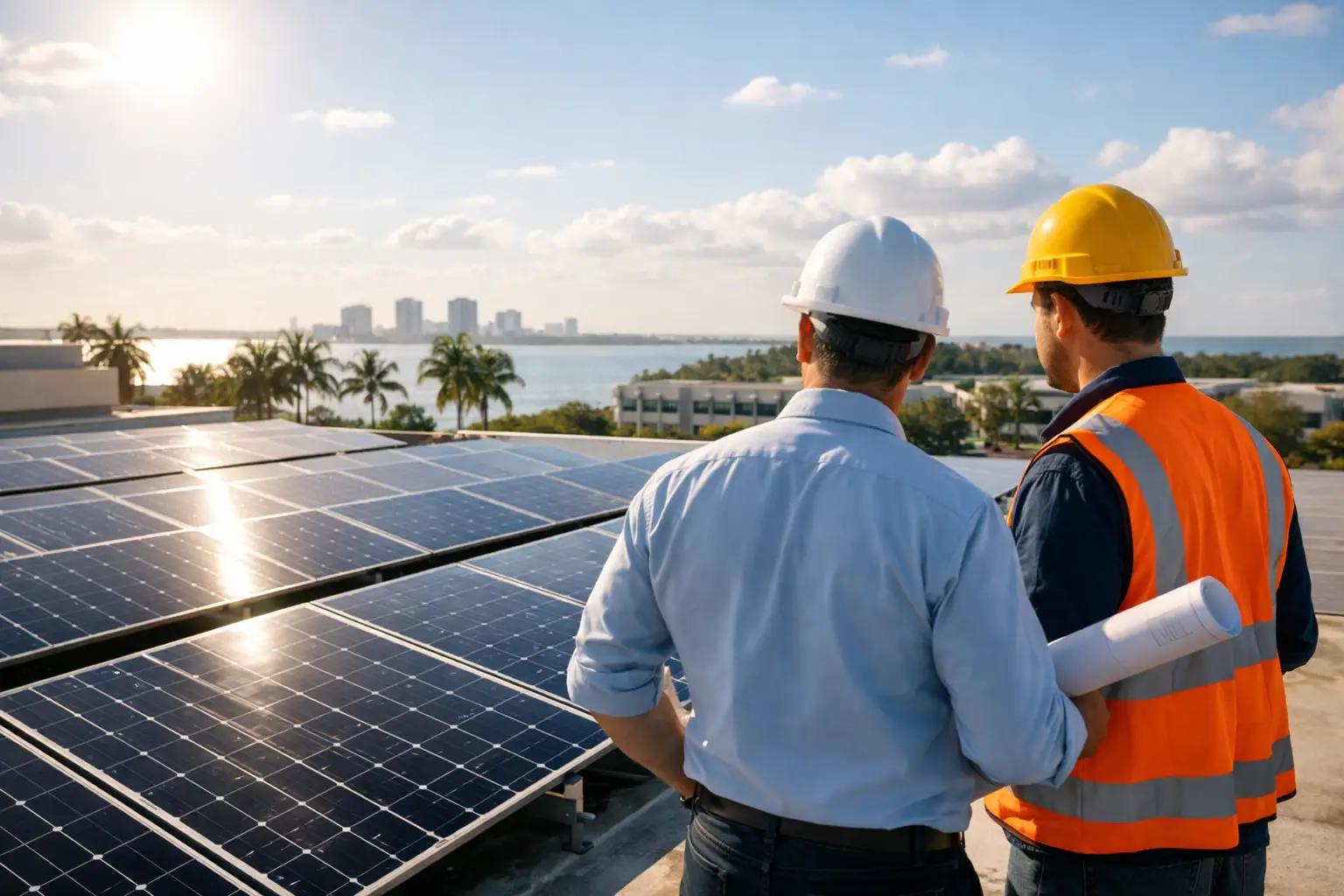
A commercial roof can do more than protect the building beneath it. For many South Florida properties, it can become a working energy asset that helps offset utility use, supports day-to-day operations, and strengthens long-term property value. The right commercial solar contractors Florida property owners choose do not simply install panels. They coordinate the full project around the building, its electrical needs, local requirements, and the owner’s operating goals.
For a business owner, facility manager, or commercial property investor, solar should feel like a managed improvement project, not another item demanding constant attention. That means clear planning, qualified installation, permit coordination, reliable equipment, and professional support after the system is operating.
What Commercial Solar Contractors Should Manage
Commercial solar is not a one-size-fits-all purchase. A retail center, office building, warehouse, multifamily property, and hospitality site can each have different roof layouts, energy patterns, electrical infrastructure, and scheduling requirements. A productive system begins with understanding how the property uses power and how the installation can fit the site without disrupting operations.
A capable contractor evaluates the available roof area, shading, structural conditions, electrical capacity, and anticipated energy demand. This early work helps shape a system that is appropriate for the property rather than oversized, undersized, or difficult to expand later. If a roof needs attention before solar work begins, that should be addressed as part of the project plan, not treated as an afterthought.
The contractor should also coordinate the work that moves a project from concept to completion: system design, permit documentation, installation, inspections, utility-related requirements, and final approvals. When one licensed team owns that process, commercial decision-makers have a clear point of accountability from the first site review through activation.
A System Built Around Business Operations
The best installation schedule is one that respects the way the property works. A business may need access routes kept open, customer parking preserved, tenant activity considered, and on-site work organized around normal operating hours. Commercial solar contractors should plan installation logistics before crews arrive, not while the project is underway.
This is especially valuable for occupied properties in Miami-Dade, Broward, and Palm Beach counties, where tenants, customers, employees, and visitors expect a property to remain functional throughout improvements. Experienced coordination helps keep the work organized while protecting the property’s appearance, access, and daily routine.
Commercial Solar Contractors Florida Property Owners Need for Permits
Permits and inspections are a normal part of commercial solar construction. They are also one of the areas where experienced licensed contractors create real value. Each municipality has processes that must be followed, and commercial sites may have added layers of electrical, structural, or planning coordination depending on the building.
The goal is not merely to submit paperwork. It is to move the project through each required stage correctly and keep the work aligned with approved plans. That approach helps prevent avoidable delays and gives owners confidence that the completed installation is documented and ready for final city approval.
Some commercial properties already have solar-related matters that need to be resolved. An open or expired permit, incomplete installation, electrical code item, or prior work awaiting closure does not have to hold the property back. These are solvable construction and compliance matters when handled by a licensed solar contractor with the ability to diagnose the issue, correct the work, coordinate with the municipality, and carry the process through final approval.
Solar Construction LLC provides that level of support for commercial property owners across South Florida. The focus is straightforward: identify what the site needs, complete the required work, and bring the project to a properly documented resolution.
Planning for Savings, Growth, and Resilience
A commercial solar system is a practical business asset. It can help reduce reliance on utility-supplied electricity during daylight hours and give owners a clearer path toward managing operating expenses over time. The exact results depend on system size, roof conditions, property energy use, equipment selection, and the building’s overall electrical profile. A site-specific consultation is the right place to evaluate those factors.
For many commercial owners, the value extends beyond monthly energy use. Solar can support a property’s efficiency story, add appeal for tenants or buyers who value modern infrastructure, and reinforce a long-term commitment to responsible operations. On properties where resilience is a priority, battery backup can also be considered as part of a larger energy plan.
Battery storage is particularly useful when a property needs to keep selected equipment operating during an outage. The right setup depends on what the owner wants to support, whether that is essential lighting, communications, refrigeration, security, office systems, or another priority load. It is a tailored decision based on the building’s actual needs, not a generic add-on.
A thoughtful plan can also leave room for future growth. If a property expects new tenants, expanded operating hours, additional equipment, or electric vehicle charging, the solar design should take those priorities into account. Planning for expansion early can make future upgrades more efficient and organized.
Existing Systems Deserve Professional Support
Commercial solar service does not end once panels are installed. Properties may need panel additions, inverter replacement, performance corrections, battery upgrades, or technical troubleshooting as energy needs change. These services protect the value of the existing system and help keep it aligned with the property’s goals.
Performance concerns should be handled with a methodical site review. The issue may involve a component, electrical connection, monitoring concern, prior installation condition, or a system configuration that needs adjustment. A professional diagnosis identifies the source of the problem and provides a direct path to correction.
Roof projects also require coordinated solar support. When solar panels must be removed for roofing work, careful removal and reinstallation protect the equipment and help ensure the system returns to service correctly. Coordinating the roof and solar scope prevents unnecessary confusion between trades and keeps the property moving toward a completed improvement.
Why Licensed Execution Matters on Commercial Properties
Commercial properties have more stakeholders than most projects. Owners, managers, tenants, lenders, maintenance teams, inspectors, and utilities may all have a role at different stages. The contractor’s job is to bring order to that process and keep the project moving with clear responsibility.
Licensed execution matters because it connects the physical installation to the approvals, documentation, and technical work behind it. It also gives commercial owners a partner who can support the system after installation instead of disappearing once the panels are in place.
Financing can make a new solar installation more accessible for eligible commercial projects, with bank loan and lease options available based on the property and project structure. The right approach depends on the owner’s objectives, timeline, and plans for the building. A focused consultation can clarify the available path without turning the decision into unnecessary complexity.
Move From Energy Use to Energy Strategy
Commercial solar works best when it is treated as part of a broader property strategy. It should support the building’s financial goals, operating needs, roof condition, resilience priorities, and future plans. That is why the contractor’s role is larger than mounting equipment on a roof.
Whether a commercial property is ready for a new system, an expansion, a battery backup solution, technical service, or permit resolution, the next productive step is a professional site assessment. A clear plan, qualified execution, and accountable support can turn available roof space into a lasting asset for the property.