

Solar Battery Systems Review for Florida Homes

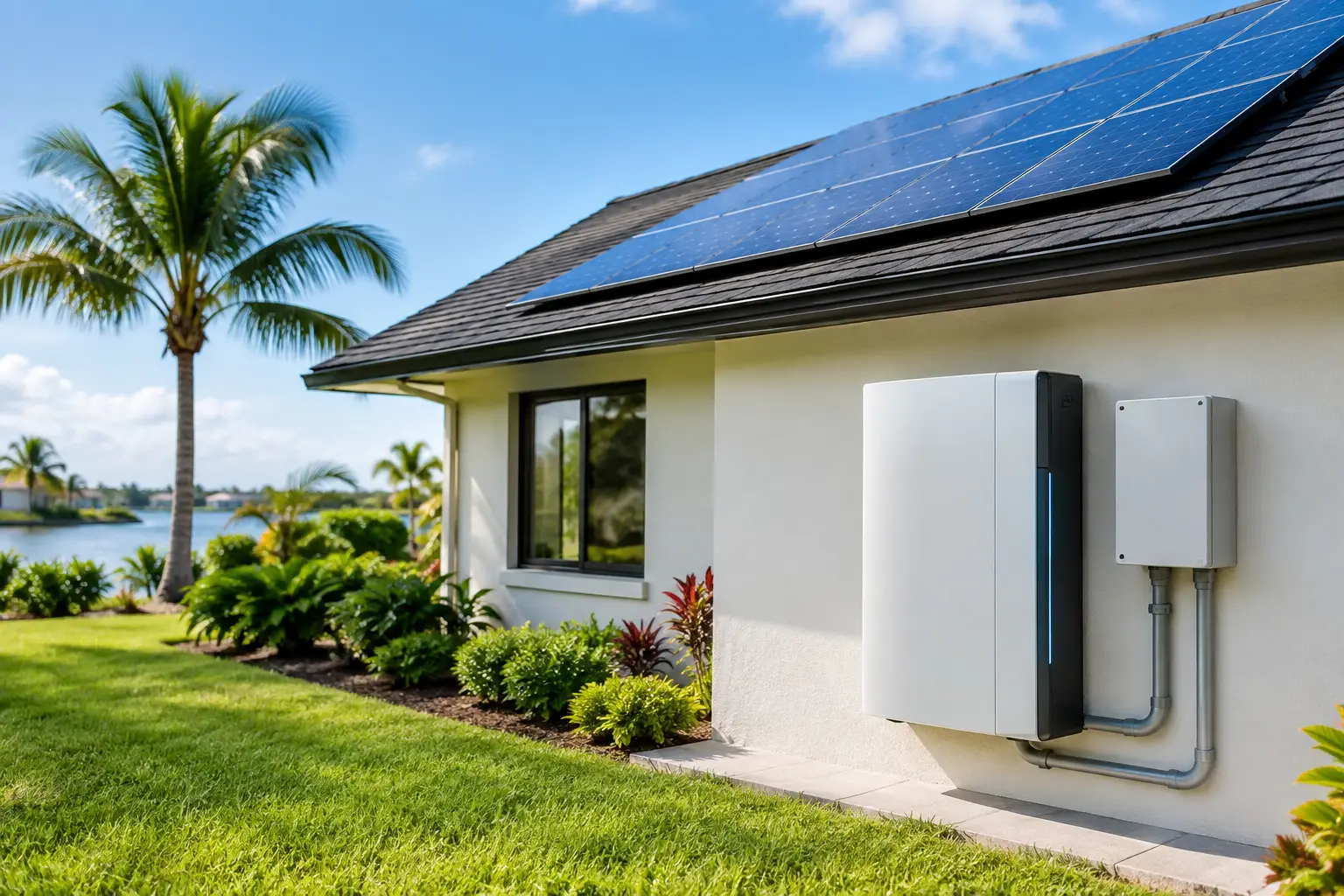
A battery can turn a solar system from a daytime energy producer into a practical source of backup power when the grid is unavailable. This solar battery systems review focuses on the factors that matter most for South Florida property owners: dependable outage coverage, the right system size, safe installation, and a plan that fits how the property actually uses energy.
For a homeowner, that may mean keeping refrigeration, lights, internet, and essential air conditioning running during an outage. For a commercial property, it may mean protecting communications, security systems, refrigeration, or critical operations. The right answer is not a one-size-fits-all battery. It is a professionally designed system built around your priorities.
Solar Battery Systems Review: What a Battery Adds
Solar panels reduce reliance on utility power by producing electricity during the day. A battery stores available solar energy for later use and can provide backup power when utility service is interrupted. That changes how a property responds to storms, brief outages, and overnight energy needs.
Battery backup is especially valuable in Miami-Dade, Broward, and Palm Beach counties, where hurricane season makes preparedness part of responsible property ownership. Instead of relying only on portable equipment or waiting for utility restoration, a properly installed battery system can automatically support selected circuits or a broader portion of the property.
The most useful benefit is control. You decide which loads matter most, how much backup capacity you want, and how the system should operate. Some owners prioritize essential loads, while others want more comprehensive coverage for larger homes or business facilities. A qualified solar contractor can translate those goals into a design that performs when it is needed.
Battery Capacity Should Match Your Priorities
Battery capacity is often the first feature people notice, but capacity alone does not determine how well a system will serve a property. The practical question is what you want to power and for how long.
A system designed for essential backup can support key circuits such as lighting, refrigeration, Wi-Fi, garage access, select outlets, and security equipment. This approach keeps the battery focused on the functions that protect comfort and daily operations during an outage. It is a strong fit for owners who want dependable coverage without powering every appliance at once.
A larger design can support more of the home or commercial building, including additional appliances and selected air conditioning equipment. The proper configuration depends on the building’s electrical demand, the existing solar array, roof conditions, panel capacity, and the owner’s expectations for backup operation.
Power Output Matters Too
Capacity describes how much energy a battery can store. Power output describes how much electricity it can provide at one time. Both matter.
For example, a battery may hold enough stored energy for many essential devices, but high-demand equipment requires a design that can handle those loads properly. Air conditioning, pool equipment, electric cooking, and certain commercial equipment all affect the system design. This is why an on-site assessment is more valuable than choosing a battery based on a single specification.
A clear load plan prevents surprises. It also helps ensure that the battery, inverter, electrical panel, and solar array work together as one coordinated system.
The Inverter Is Central to Performance
The inverter is the equipment that manages the flow of energy between solar panels, batteries, the electrical panel, and the utility grid. When a battery is added to an existing solar system, inverter compatibility is a major part of the review.
Some properties can integrate a battery with the existing equipment. Others benefit from an inverter replacement or a system upgrade that better supports backup operation. Neither path is automatically better. The right choice depends on the age and condition of the current system, the desired backup level, and the electrical layout of the property.
This is also where experienced technical service makes a difference. A battery installation should not be treated as an isolated add-on. The complete solar system needs to be evaluated for production, communication, safety settings, and electrical performance. If a system has an existing fault, outdated equipment, or unfinished permit history, those issues can be resolved as part of a professional path forward.
Automatic Backup Creates Real Convenience
The strongest battery systems are designed to respond automatically when utility power is interrupted. When the grid goes down, the system transitions to backup mode and supplies the selected loads based on the approved design.
That convenience matters when an outage occurs while you are away from the property or during severe weather. You do not need to set up temporary equipment or make last-minute decisions about which devices to unplug. The system is prepared in advance.
For businesses, automatic backup can support continuity for the functions that cannot simply pause. For homes, it helps maintain normal routines and protects the essentials that families rely on. The experience is different from having solar panels alone because the stored energy is available when grid service is not.
Solar Recharging Extends the Value of Backup
During daylight hours, solar production can help recharge the battery and support the property’s electrical needs. This creates a more self-reliant energy setup, especially when the system is designed around realistic usage patterns.
Weather, household demand, and the amount of solar production all influence how the battery operates from day to day. A well-designed system accounts for those conditions without overcomplicating the experience for the owner. The goal is simple: reliable energy management that supports the property when it matters most.
Installation Quality Is Part of the Review
A battery is a major electrical upgrade. Its value depends on professional installation, proper equipment configuration, and a complete permitting process. The work may involve the electrical panel, backup load configuration, inverter equipment, utility requirements, and local inspections.
For properties with open permits, expired permits, incomplete solar work, or electrical code items on record, these issues do not have to stop a battery project. They require a licensed contractor that can diagnose the situation, complete the needed corrections, and manage the process through final approval.
This is particularly important for properties with older solar installations or systems installed by a previous provider. A clean, code-compliant result protects the investment and gives the owner a clear foundation for future upgrades, including additional panels, new inverters, or expanded battery capacity.
A Practical Review for Homes and Commercial Properties
For residential owners, battery backup is often about protecting comfort, food storage, communications, and selected cooling during outages. For commercial owners, the priorities may include security, technology, tenant needs, refrigeration, or keeping essential equipment available. The battery system should reflect that difference.
A larger property does not always need the same approach as a smaller one. A waterfront home, a multi-unit building, a retail space, and an office each have different electrical habits and backup priorities. The best solar battery systems review begins with the property itself, not with a generic package.
Financing options can help qualified owners move forward with solar and battery improvements while preserving flexibility for other property upgrades. Since each installation depends on system size, existing equipment, and site conditions, a consultation is the right place to define the project scope and available options.
Solar Construction LLC helps South Florida property owners evaluate existing solar equipment, design battery backup solutions, resolve permit and compliance issues, and complete installations with accountability from start to finish.
A battery system should give you more than stored energy. It should give you confidence that your property is prepared, your equipment is properly integrated, and your backup plan is ready before the next outage arrives.