

Solar Permit Violation Help That Gets Results

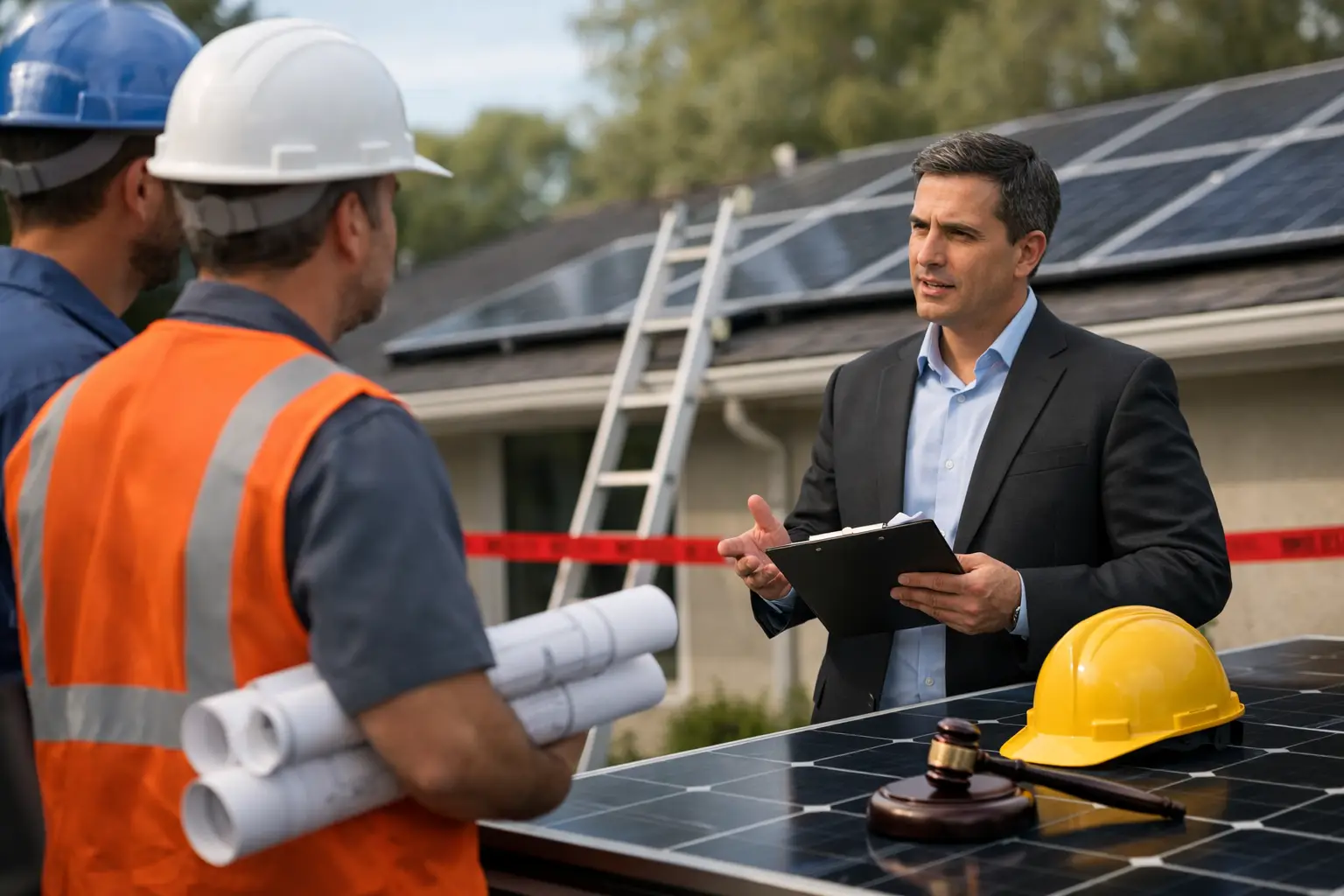
A solar permit problem can surface at the worst possible moment: during a property sale, a refinance, a roof replacement, or a routine city records check. The good news is that solar permit violation help is available, and most cases have a clear path forward when a licensed solar contractor takes control of the correction and approval process.
An open permit, expired permit, failed inspection, or electrical violation does not mean your solar investment is lost. It means the work, paperwork, inspection record, or equipment condition needs to be brought into alignment with municipal requirements. The right team identifies what is on record, completes the necessary corrections, and works toward final approval.
What a Solar Permit Violation Usually Means
Municipal records can show a solar permit as open even when the panels have been on the roof for years. Sometimes an installation was completed but the final inspection was never passed or recorded. In other cases, an electrical correction, equipment update, missing document, or inspection item prevented the permit from closing.
A violation may also appear after a property changes hands. Buyers, lenders, title companies, insurers, and roofers often review permit history. If a solar permit remains unresolved, it can create an unnecessary obstacle around a transaction or project that should otherwise move forward.
The issue is not always visible from the ground. Your system may be producing energy while its permit file still needs attention. That is why the first step is a professional review of both the physical installation and the city or county record.
Solar Permit Violation Help Starts With a Real Diagnosis
Every municipality handles records and inspections through its own process, so a practical solution starts with facts. A licensed contractor reviews the permit status, identifies the stated violation or outstanding requirement, and assesses whether the existing system needs physical corrections before an inspection can be scheduled.
The work may involve verifying electrical labeling, correcting conduit or disconnect details, updating equipment documentation, addressing incomplete installation items, or resolving a permit that expired before its final inspection. In some cases, the system needs technical service before it can be presented for approval. In others, the primary task is documentation and coordination.
This is not a paperwork-only exercise. Municipal approval depends on the actual condition of the system as well as the permit record. A thorough diagnosis prevents wasted inspection attempts and gives the property owner a defined plan instead of vague answers.
Why a Licensed Contractor Matters
Solar permits and electrical compliance issues generally require work performed and documented by a qualified, licensed contractor. That matters because the person resolving the issue must understand the equipment, the installation standards, and what inspectors need to verify.
Trying to solve an old permit through calls and forms alone can leave the central issue untouched. If the city requires a field correction, a new inspection, or contractor documentation, the process needs an accountable professional who can carry the work through to the final stage.
For South Florida properties, conditions such as heat, moisture, wind exposure, roof changes, and equipment age can affect what must be addressed. The goal is not simply to close a file. It is to leave the solar system properly documented, functional, and ready for the next phase of property ownership or improvement.
The Path From Violation to Final Approval
The exact sequence depends on the permit record and the local authority having jurisdiction, but the overall process is straightforward when managed correctly.
First, the permit history and violation notice are reviewed. This establishes whether the file is open, expired, failed, missing documents, or tied to a specific code correction. Next, the solar installation is inspected to confirm its current condition and identify anything that needs to be repaired, replaced, labeled, or updated.
After that, the contractor completes the required scope and prepares the necessary documentation. If an inspection is required, it is coordinated once the system is ready. If the inspector identifies an additional correction, it is handled promptly so the permit can move toward closure rather than falling back into delay.
The final objective is municipal sign-off and a resolved record. That outcome helps protect the value and usability of your property while giving you confidence that the solar system is no longer carrying an open compliance issue.
When Roof Work Is Part of the Solution
Roof projects and solar permits often overlap. If your roof needs replacement, solar panels may need to be professionally removed and reinstalled before permit-related work can be completed or finalized. A roof assessment can clarify whether the roof should be addressed before solar corrections move ahead.
Coordinating these projects is more efficient than treating them as separate problems. The solar equipment can be handled with care, the roof work can proceed, and the reinstalled system can be evaluated for proper operation and compliance. This approach protects the property and avoids repeating work later.
Do Not Let an Old Permit Hold Up Your Property Plans
An unresolved solar permit can become urgent when you are preparing to sell, refinance, renovate, add battery backup, or make changes to an existing electrical system. Acting early keeps the issue contained and gives the resolution process time to follow the proper municipal steps.
For commercial properties, clear records are equally valuable. Facility managers and owners need energy infrastructure that supports operations without lingering permit complications. A closed permit and documented corrections provide a cleaner foundation for maintenance planning, equipment upgrades, tenant improvements, and future property decisions.
There is no single correction that applies to every system. A permit left open because of a missing final inspection calls for a different response than an expired permit with equipment changes or an electrical violation. The right answer depends on the property, the system, and the municipality’s file, which is why a tailored inspection and action plan delivers better results than assumptions.
A Full-Service Resolution, Not a Temporary Patch
The strongest permit resolution process covers the complete job: system diagnosis, repair or correction work, permit coordination, inspection preparation, and follow-through to final city approval. Property owners should not have to manage separate parties for equipment issues, compliance details, and inspection scheduling.
Solar Construction LLC provides this type of full-service support for homeowners and commercial property owners throughout Miami-Dade, Broward, and Palm Beach counties. With nine years of South Florida experience, the team handles open permits, expired permits, code violations, incomplete solar installations, technical system issues, inverter replacement, panel additions, and solar removal and reinstallation for roof projects.
That experience matters when a permit issue has more than one moving part. A system may need a technical correction before inspection. A roof condition may need attention before panels can be reinstalled. An older installation may require updated documentation. Managing those details as one coordinated project creates a clearer route to approval.
Move Forward With Confidence
A solar permit violation is a solvable property issue, not a reason to put your plans on hold. Once the permit record and system condition are reviewed by a licensed professional, the next actions become clear: correct what is needed, prepare for inspection, and close the file properly.
If your solar permit is open, expired, or tied to a violation, take action before it affects a sale, roof project, financing event, or property upgrade. A professional evaluation can turn a confusing municipal record into a defined resolution plan and help your property move forward with confidence.