

Roof Repair vs Solar Removal: What Comes First?

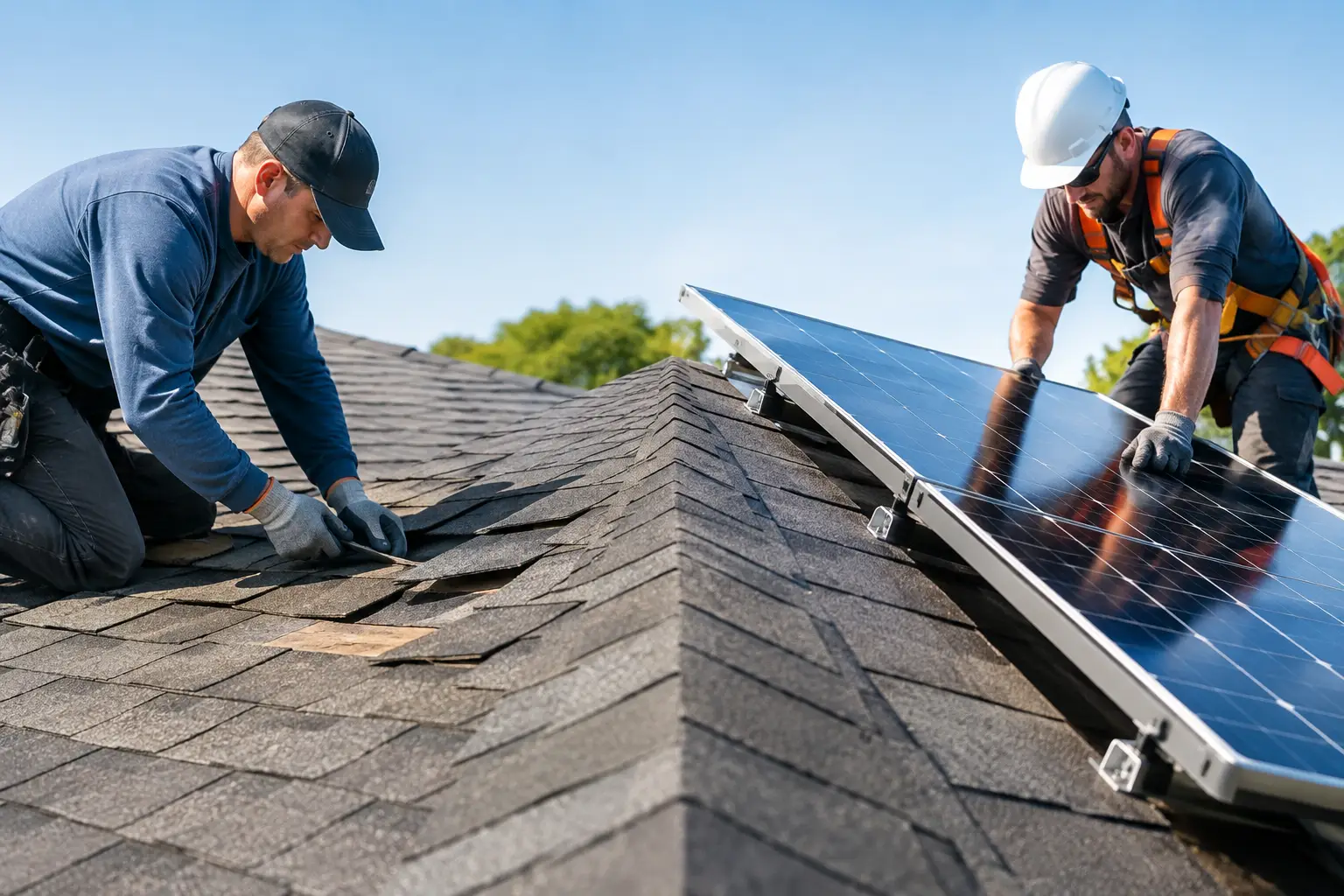
A roof leak beneath an active solar array is not a project to split between disconnected crews. The decision around roof repair vs solar removal determines whether the roof work can be completed properly, whether your solar equipment stays protected, and how quickly the system can return to producing energy. For South Florida property owners, the right sequence starts with a clear assessment of the roof and a professional plan for the solar system.
Roof Repair vs Solar Removal: Start With the Roof Scope
Solar panels are built to operate for years, but the roof beneath them must remain a dependable foundation. When shingles, tile, underlayment, flashing, or decking need attention in the area covered by solar equipment, removing the panels first is often the practical path. A roofer needs full access to complete lasting work. Trying to repair around mounts, wiring, and panels can leave important areas untreated or create a patchwork result that does not serve the property well.
That does not mean every roof repair requires solar removal. If the repair is clearly outside the solar array, such as a localized issue on an uncovered section of the roof, the work may be completed without disturbing the system. The deciding factor is access. If the repair requires work beneath, directly beside, or through the mounting area, the array should be safely removed before the roof project begins.
This assessment is especially valuable after a storm, when a visible ceiling stain may not tell the full story. Water can travel beneath roofing materials before appearing indoors. A coordinated roof and solar evaluation identifies the affected area, confirms whether solar components are involved, and prevents unnecessary disruption.
Why Solar Panels Should Not Be Worked Around
A solar array is more than a group of panels on the roof. It includes mounting hardware, electrical wiring, grounding components, conduits, and equipment designed to work together. Roofing work around an installed array can place those components at risk and limit the roofer’s ability to inspect and repair the complete roofing assembly.
Professional removal creates the working space needed for a proper repair or replacement. It also gives the solar team an opportunity to inspect mounts, wiring, and visible equipment before reinstallation. If a component needs service, it can be addressed as part of the project rather than discovered after the roof is complete.
For homeowners, this approach protects two major investments at once. For commercial property owners and facility managers, it helps keep building maintenance organized, supports system uptime, and reduces the chance of repeated access to the same roof area.
The roof comes first when replacement is planned
If the roof is nearing the end of its service life, a full replacement before solar reinstallation is the sounder long-term decision. Reinstalling solar panels onto a roof that will soon need replacement creates avoidable work later. Handling the roof while the solar array is removed provides a clean foundation for the system’s next stage of operation.
The same principle applies to widespread damage, aging underlayment, recurring leaks, or structural repairs. These are not reasons to lose confidence in solar. They are property maintenance needs that can be resolved with the right project coordination.
What a Professional Removal and Reinstallation Includes
Solar removal is not simply lifting panels off the roof and setting them aside. The system needs to be shut down safely, labeled carefully, disconnected correctly, and stored to protect the equipment during roofing work. Once the roof is ready, the array must be reinstalled with proper mounting, electrical connections, and operational checks.
A complete process typically begins with documenting the existing system layout and reviewing the roof scope. The solar equipment is then shut down and removed in an organized sequence. After the roofer finishes the repair or replacement, the solar team returns to install the mounting equipment, panels, wiring, and required protective components.
The final step matters just as much as the first. The system should be tested after reinstallation to confirm it is operating as intended. If permits need to be updated, inspections scheduled, or municipal records resolved, those items should be managed as part of a clear plan. Solar Construction LLC handles solar removal, reinstallation, technical service, and permit resolution so property owners have accountable support from diagnosis through final approval.
Timing Matters After Storm Damage or a Leak
South Florida roofs face intense sun, driving rain, humidity, and hurricane-season conditions. When a leak appears, fast action protects the structure beneath the roof surface. Delaying a necessary repair can allow moisture to affect insulation, ceilings, framing, and interior finishes.
The best next step is to determine the source of the issue and whether it intersects with the solar array. If the array must come off, schedule the removal so the roof contractor can access the full affected area without delay. Once the roof work is complete and the surface is ready, the solar system can be returned to service in an orderly way.
A coordinated schedule also protects the equipment. Panels should not be left exposed to unnecessary handling, and roof work should not be rushed because the solar array was not addressed early. Good planning keeps each trade focused on its work while moving the overall project forward.
Protecting Performance During a Roof Project
Many owners worry that removing solar panels will compromise their system’s performance. When removal and reinstallation are performed correctly, the goal is to restore the array so it can continue serving the property after the roof work is done. Careful labeling and documentation help ensure panels and connections return to their proper configuration.
This is also a useful time to address known solar service needs. An inverter that needs replacement, a panel addition, a monitoring concern, or an open permit can be handled in connection with the roof project when appropriate. Combining related work can simplify the process and help bring the property back to a fully functioning, compliant condition.
The exact scope depends on the roof design, system layout, equipment condition, and local requirements. A tile roof, for example, may require a different removal and reinstallation approach than a shingle roof. Commercial systems may involve more complex access planning and electrical coordination. The principle remains the same: protect the roof first, then restore the solar system with professional care.
How to Avoid Repeat Roof and Solar Work
The most effective way to avoid doing the same work twice is to look beyond the immediate leak or damaged area. If the roof assessment shows that a larger repair or replacement is approaching, address that need before reinstalling the solar array. This supports a stronger result and avoids another removal cycle soon after the system is back online.
Property owners should also make sure the roof and solar scopes are aligned before work begins. The roofing team should know where the solar equipment is located and what access is required. The solar team should understand the roof schedule, the finished roofing materials, and when the surface will be ready for reinstallation. Clear coordination prevents gaps between trades and keeps responsibility visible.
For properties with unresolved solar permits or inspection items, the roof project can be an opportunity to bring those records to a close. These issues are manageable with a licensed contractor who understands municipal requirements and follows the project through to resolution.
A Clear Path Forward for Your Property
Roof work and solar work should support each other, not compete for space on the same project. If repairs are outside the array, solar removal may not be necessary. If the roof needs access beneath the system, removal and reinstallation provide the right path to protect the building and preserve the value of your solar investment.
A professional assessment gives you a direct answer based on your roof condition, system layout, and project goals. Address the roof correctly, return the solar system to service properly, and move forward with a property that is ready for South Florida’s next season.