
Solar Upgrades Versus New Systems: Which Fits?

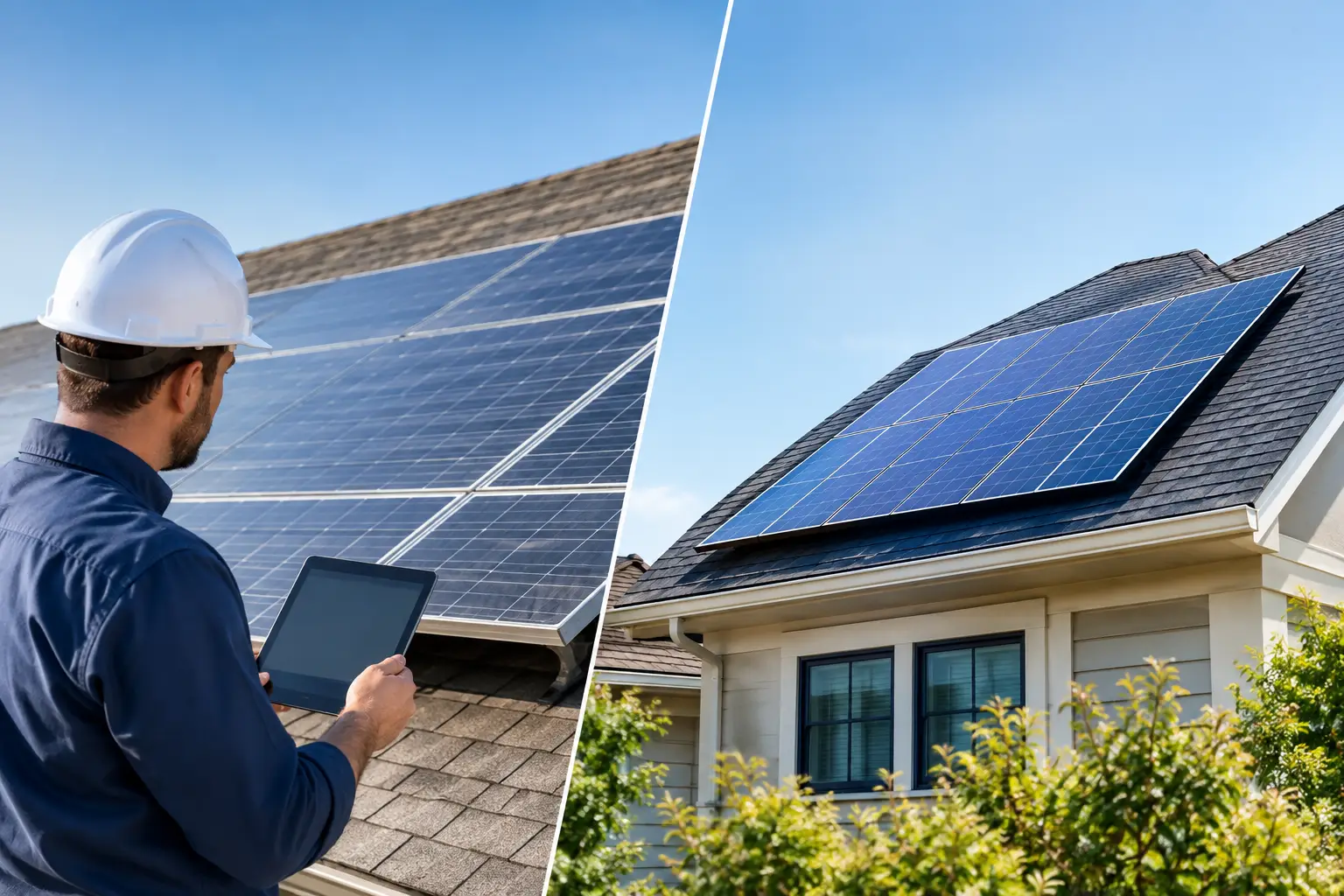
A home or commercial property can outgrow its original solar setup. A growing family, a new electric vehicle, expanded business hours, higher utility use, or the need for backup power can all change what your system needs to deliver. When weighing solar upgrades versus new systems, the right answer comes down to the condition of your existing equipment, your energy goals, your roof, and the opportunity to improve performance for years ahead.
For many South Florida property owners, an upgrade is the direct path to more production without starting over. For others, a new system creates a cleaner, better-matched foundation – particularly when an older installation, roof project, or unresolved permit issue is already part of the picture. The key is making the decision based on the property in front of you, not a one-size-fits-all approach.
When a Solar Upgrade Delivers the Best Result
A solar upgrade builds on equipment already installed at your property. This may mean adding panels, replacing an inverter, integrating battery backup, updating electrical components, or correcting issues that are holding back expected production.
It is a strong option when the existing panel array is in good condition and has room to expand. A homeowner who adds an EV charger, for example, may need more solar capacity to offset the new electricity demand. A business that extends operating hours or adds equipment may face the same need. Adding capacity can align the system with how the property is actually being used now.
Inverter replacement is another common upgrade. The inverter is central to turning solar energy into usable electricity. When it is aging or no longer suited to the property’s goals, an updated inverter can restore dependable operation and prepare the system for additions such as more panels or a battery.
Battery backup is also changing the upgrade conversation. Panels produce valuable energy during daylight hours, but a battery can help a property use stored energy when it matters most. For South Florida owners planning for outages, a battery upgrade supports continuity, comfort, and a more resilient property.
An upgrade is especially practical when it can be coordinated with other needed work. If a roof replacement is planned, solar panels can be professionally removed and reinstalled as part of an organized project. That approach protects the equipment, supports the roofing work, and gives the owner a clear opportunity to evaluate whether panel additions or electrical updates make sense at the same time.
Signs Your Existing System Is Ready to Expand
An existing system is often a good candidate for an upgrade when it has been producing reliably, the panels remain in serviceable condition, and the roof has sufficient space for additional modules. The electrical configuration also needs to support the planned expansion, which is why a professional site assessment matters.
Production data can reveal whether the system is meeting expectations, while a physical inspection confirms the condition of panels, mounting hardware, wiring, and the inverter. This is not about adding equipment for its own sake. It is about making sure every improvement supports a defined outcome, whether that is lower utility use, greater backup capability, or capacity for a changing property.
Solar Upgrades Versus New Systems: The Decision Points
The most effective choice begins with four practical factors: the age and condition of the current equipment, the roof timeline, the property’s future energy use, and the status of permits and electrical compliance.
If the existing system is relatively modern, structurally sound, and sized below current needs, an upgrade can be efficient and targeted. It allows the owner to preserve working components while strengthening the parts of the system that need to grow.
A new system becomes the better direction when the current installation no longer provides a reliable platform for expansion. This can happen when the equipment is outdated, the system was undersized from the start, the roof layout has changed, or prior work was left incomplete. Starting with a coordinated new design creates the opportunity to match panel placement, inverter capacity, battery readiness, and electrical infrastructure to the property’s present and future demands.
Roof condition deserves special attention. Solar is a long-term property improvement, so it should be coordinated with the roof rather than treated as a separate concern. If a new roof is needed soon, addressing that first can prevent unnecessary removal and reinstallation later. A roofing assessment helps establish the right sequence, protecting both the roof investment and the solar system.
For commercial owners, planning should also account for load patterns. A retail space, office building, multifamily property, or warehouse may use energy differently throughout the day and across seasons. A system expansion may be exactly what is needed, but a new design may offer more room to support current operations and planned growth.
A New System Creates a Fresh Energy Plan
A new solar system is more than new panels. It is a property-specific energy plan designed around available roof space, shade conditions, energy consumption, electrical capacity, and long-term goals.
That fresh start is valuable for owners who want to incorporate solar, battery storage, and related property improvements in one coordinated project. For example, a homeowner preparing for a roof replacement may decide to install a new solar system after the roof is complete. A commercial property may pair solar planning with broader electrical improvements to support future operations.
New systems also offer clear design flexibility. The layout can be optimized for the roof rather than limited by an older array. Equipment can be selected to fit the desired capacity from day one, and the system can be prepared for future battery storage if backup power is part of the plan.
Financing options through bank loans and lease agreements can help qualified owners move forward with a system that fits their property goals. The investment varies according to system size, energy needs, roof conditions, and the scope of electrical work. A professional consultation provides a clear path based on the property instead of a generic estimate.
Permits and Compliance Are Part of the Solution
An open permit, expired permit, incomplete installation, or electrical code concern does not have to stop a solar project. These are solvable property matters that should be handled correctly before an upgrade or replacement moves ahead.
In many cases, resolving the record with the local municipality is the first step toward a better-performing system. The work may involve diagnosing the existing installation, identifying required corrections, completing the proper scope of work, and managing the process through final approval.
This is where a licensed solar contractor adds practical value. Solar Construction LLC handles solar problem resolution from assessment through final city approval, allowing owners to move from an unresolved issue to a completed project with accountability at every stage.
For a property with a clean, functioning system, permitting may simply be part of an addition or equipment update. For a property with unfinished prior work, it becomes the opportunity to correct the foundation and move forward with confidence. Either way, compliance should support the project, not complicate it.
Plan for the Property You Will Have Next
The best solar decision is rarely based only on last year’s utility bill. Think about how the property will operate over the next several years. Will you add electric vehicles? Are you planning an addition, a pool, new appliances, or more people in the home? Is backup power becoming a priority? For commercial properties, will occupancy, equipment, or operating hours change?
Those answers help determine whether you need targeted additional capacity or a full redesign. They also help prevent a system from being designed too narrowly for goals that are already on the horizon.
An on-site evaluation brings the decision into focus. It can assess production needs, equipment condition, roof readiness, electrical requirements, available space, and any municipal records that need attention. From there, the scope can be built around results: more useful solar production, dependable equipment, backup readiness, and a project completed to the proper standard.
A well-planned solar improvement should make your property work harder for you. Whether that means expanding a proven system or creating a new one, the next step is a professional assessment that turns your energy goals into a clear, workable plan.