
Who Fixes Abandoned Solar Projects Near You?

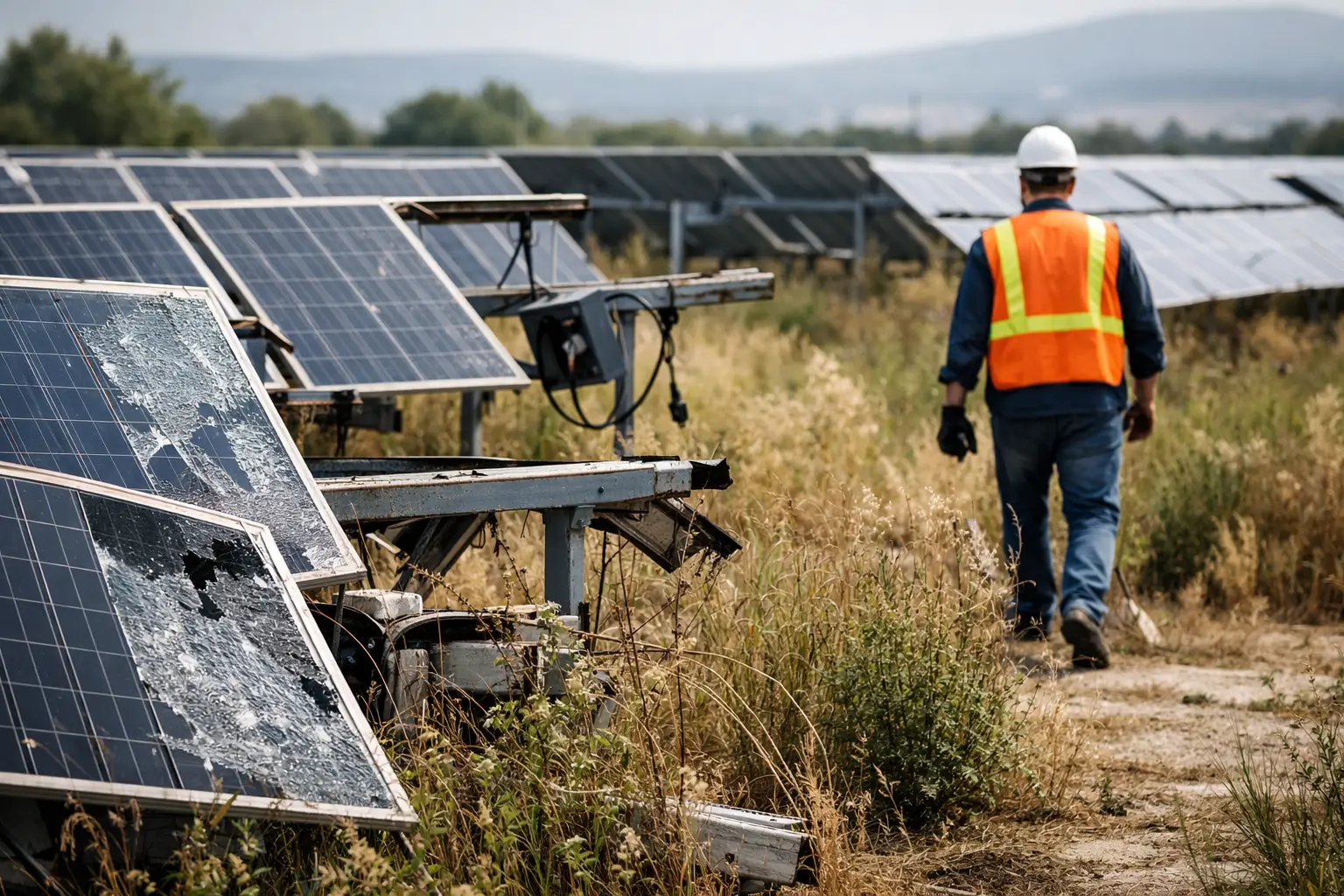
A solar project can look finished from the street while still being incomplete where it matters most: at the permit office, the electrical panel, or the final inspection. If you are asking who fixes abandoned solar projects, the answer is a licensed solar contractor with the ability to diagnose the existing system, correct incomplete work, manage municipal requirements, and bring the project through final approval.
For South Florida property owners, this is not a dead end. An unfinished solar installation, expired permit, failed inspection, or system that never received final approval is a solvable construction and compliance matter. The right contractor takes ownership of the resolution process and moves it forward.
Who Fixes Abandoned Solar Projects?
A licensed solar contractor is the professional equipped to take over an abandoned solar project. This work goes beyond adding a panel or replacing a visible component. It often requires reviewing the original installation, checking the electrical equipment, confirming permit status, identifying outstanding corrections, and coordinating the path to final inspection.
The contractor may need to work with the local building department, electrical inspector, utility requirements, and the property owner to resolve every open item. That is why a general handyman or an unlicensed repair service is not the right fit. Solar projects are connected to your roof, electrical system, and local permitting process. They need qualified, accountable work.
At Solar Construction LLC, abandoned project resolution is handled as a complete service, from the first site assessment through the final city approval. The goal is clear: turn an unfinished solar project into a safe, operational, compliant system that supports your property.
What Makes a Solar Project “Abandoned”?
An abandoned solar project does not always mean the equipment was left in boxes. In many cases, panels are already mounted on the roof and an inverter is in place, but the project stalled before the last steps were completed.
A homeowner or commercial property owner may discover the issue when selling a property, replacing a roof, applying for insurance updates, reviewing municipal records, or noticing that the system is not producing as expected. Sometimes the original permit was never closed. In other cases, an inspection identified corrections that were not completed, or equipment was installed without the required final documentation.
These situations can feel complicated because several pieces may be involved at once. The physical system may need service, while the permit file may need updated documents and a new inspection appointment. A qualified solar contractor organizes those moving parts into one practical resolution plan.
The First Step Is a Full Site and Permit Review
No two abandoned projects are exactly alike. Some need a simple correction and inspection. Others require electrical upgrades, replacement equipment, roof-related work, or a permit recovery process. A proper evaluation starts with the property itself, not assumptions based on an old proposal or a panel count.
The contractor reviews the installed solar equipment, roof attachment points where applicable, wiring, inverter condition, disconnects, electrical panel connections, and visible workmanship. They also determine whether the system is operating, whether it can be safely activated, and what needs to be corrected before an inspector can approve the work.
Just as important, the permit record must be reviewed. Local municipalities may show an open permit, expired permit, missed inspection, or listed code correction. The specific process depends on the city and the status of the original work. A contractor experienced in permit resolution can identify what the municipality requires and prepare the work accordingly.
Common Problems That Can Be Corrected
Abandoned solar projects are often recoverable because the underlying system may have a solid starting point. The work is about correcting the unfinished details and bringing every part into alignment with current requirements.
Common resolution work includes:
- Closing open or expired solar permits
- Correcting electrical or mounting items identified during inspection
- Replacing a faulty or outdated inverter
- Repairing wiring, disconnects, labeling, or equipment connections
- Completing an unfinished installation and preparing it for final approval
- Removing and reinstalling solar panels when roof work is required
- Adding compatible panels or battery backup equipment when the property needs an upgrade
The exact scope depends on the condition of the installation and municipal requirements. That is why an onsite assessment is valuable. It gives the property owner a clear route forward instead of guesswork.
Permit Closure Is More Than Paperwork
An open solar permit can remain on a property record long after installation work stops. Closing it properly means more than submitting a form. The city or county typically needs to confirm that the physical work meets applicable requirements and that any corrections have been completed by a qualified contractor.
For a homeowner, permit closure can bring confidence that the system and property records are aligned. For a commercial property, it helps support organized facility management and avoids leaving an energy infrastructure project in an unfinished status.
The contractor’s role is to connect the field work with the approval process. That may include producing required documentation, updating permit information, completing corrections, scheduling inspections, and responding to municipal requirements. One team managing the process reduces delays and gives the property owner a single point of accountability.
When the Roof Is Part of the Solution
Solar equipment and roofing work are closely connected. If an abandoned system is on a roof that now needs repair or replacement, the panels may need to be professionally removed and reinstalled. This is not a shortcut job. Proper handling protects the equipment, preserves the roof work, and helps ensure the solar system is reconnected correctly.
A roofing assessment can also clarify the right sequence of work. In some cases, resolving the roof first creates the strongest foundation for completing the solar project. Once the roof is ready, the contractor can reinstall the panels, inspect the electrical components, and continue the permit and approval process.
This coordinated approach is especially useful in South Florida, where property owners value durable upgrades that support storm readiness, efficiency, and long-term performance.
What Property Owners Can Expect From the Resolution Process
A well-managed project takeover follows a practical order. First comes diagnosis: evaluating the installed system, permit record, and property conditions. Next comes the correction plan, which outlines the work needed to make the system safe, functional, and ready for approval.
Then the contractor completes the necessary field work, whether that involves electrical corrections, equipment replacement, panel reinstallation, or completion of unfinished installation tasks. After that, the focus shifts to final inspection and permit closure.
The timeline varies based on the system condition, the municipality’s requirements, inspection availability, and whether related roof or electrical work is needed. What should not vary is the need for a contractor who is prepared to manage the entire process rather than treating the permit issue and the physical system as separate problems.
A Finished System Should Deliver a Finished Result
Solar is a valuable property improvement, but the value comes from a system that is installed correctly, operating properly, and supported by complete approvals. An abandoned project should not remain a permanent loose end on your home or commercial property.
If your solar installation was left unfinished, has an open permit, needs inspection corrections, or is not performing the way it should, professional resolution can put the project back on track. The right licensed contractor does not just address the visible issue. They take responsibility for the work required to move your solar project from incomplete to approved, functional, and ready to serve your property.